Tokyo 5-Day Itinerary

A well-balanced Tokyo city break for a first visit, combining traditional areas like Asakusa with modern districts such as Shibuya and Ginza, plus highlights like Meiji Shrine and teamLab. The route ends with a final morning around Tsukiji before departure. For shorter trips, see the Tokyo 3-day itinerary or expand into a wider route with the Japan 10-day itinerary.

Duration: 5 days Pace: Balanced Budget: Midrange

Route at a glance

A city-focused Tokyo route, starting with Asakusa and Akihabara, then moving through Harajuku and Shibuya, followed by Ginza and teamLab, a Ueno and Odaiba day, and a simple Tsukiji departure morning.

Select a day to explore its route

  • Asakusa & AkihabaraDay 1
  • Meiji Shrine, Harajuku & ShibuyaDay 2
  • Imperial Palace, Ginza & teamLabDay 3
  • Ueno & OdaibaDay 4
  • Tsukiji & Hamarikyu GardensDay 5

Where this trip comes to life

A quick visual preview of the city base and the places you will actually visit.

Planning tips for this Tokyo itinerary

Practical tips for Tokyo

Use Suica or Pasmo

Essential for trains, metros, buses, and convenience stores. Add it to Apple Wallet if possible.

Get an eSIM

Roaming is slow or expensive, an eSIM gives you faster and better data. Use Google Maps or Japan Travel by NAVITIME for transfers.

Carry some yen

Japan uses the yen (JPY). Cards work in many places, but small restaurants, temples, and older shops may still prefer cash.

Book timed-entry sights

Reserve popular places like Shibuya Sky, teamLab, or Ghibli Museum early if they matter to your trip.

Use konbini and lockers

Convenience stores are great for drinks, snacks, ATMs, and quick meals. Station lockers help on shopping or departure days.

Group areas by day

Tokyo is huge. Stick to nearby neighborhoods each day to avoid wasting time crossing the city.

Where to stay for this itinerary

  • Shinjuku Best overall base with excellent transport connections and lots of restaurants.
    Most practical
  • Shibuya Lively, younger atmosphere with great food, shopping, and nightlife.
    Great for vibes
  • Ginza / Tokyo Station More polished, ideal for easy airport access and shinkansen connections.
    Best for convenience

Since all nights are in Tokyo, there’s no need to switch hotels during this itinerary.

Best time to visit Tokyo

A quick seasonal view to help you choose the best months for this route.

Jan
Cold · Clear
Feb
Cold · Quieter
Mar
Cherry blossoms
Apr
Best
May
Best
Jun
Rainy season
Jul
Hot · Humid
Aug
Very hot
Sep
Warm · Typhoon risk
Oct
Best
Nov
Autumn colors
Dec
Cool · Festive

Spring and autumn are usually the easiest seasons for a first trip to Tokyo, with comfortable weather for long walking days, parks, gardens, and neighborhood exploring. Summer can still work, but July and August are hot and humid, so slower pacing helps. Winter is colder but often clear, quieter, and good for food, museums, shopping, and city views.

Details

Tokyo 5-day itinerary overview

This itinerary is designed as a strong first-time introduction to Tokyo. It starts with Tokyo’s traditional side in Asakusa, then layers in modern commercial districts, major shrine and shopping areas, immersive digital art museums, large park spaces, and a final market-focused morning. The route is efficient, uses public transport well, and keeps all five days realistic for a city break.

Route at a glance

  • Tokyo base in Shinjuku for the full trip
  • Asakusa, Sensō-ji, Akihabara, and evening city energy
  • Meiji Shrine, Harajuku, and Shibuya highlights
  • Imperial Palace East Gardens, Ginza, teamLab, and Roppongi
  • Ueno Park, Tokyo National Museum, Odaiba, Tsukiji, and departure

Day-by-day highlights

  1. Day 1 (Tokyo arrival): Arrival, hotel check-in in Shinjuku, Sensō-ji in Asakusa, tempura dinner, and evening in Akihabara
  2. Day 2 (Shrines, fashion, and city icons): Meiji Shrine, Harajuku, Takeshita Street, Shibuya Crossing, and sushi dinner
  3. Day 3 (Central Tokyo & digital art): Imperial Palace East Gardens, Ginza, teamLab Planets, dinner in Roppongi, and evening city views
  4. Day 4 (Museums & waterfront Tokyo): Ueno Park, Tokyo National Museum, Odaiba, teamLab Borderless, and Tokyo Bay night views
  5. Day 5 (Departure day): Tsukiji Outer Market, sushi brunch, Hamarikyu Gardens, and airport transfer

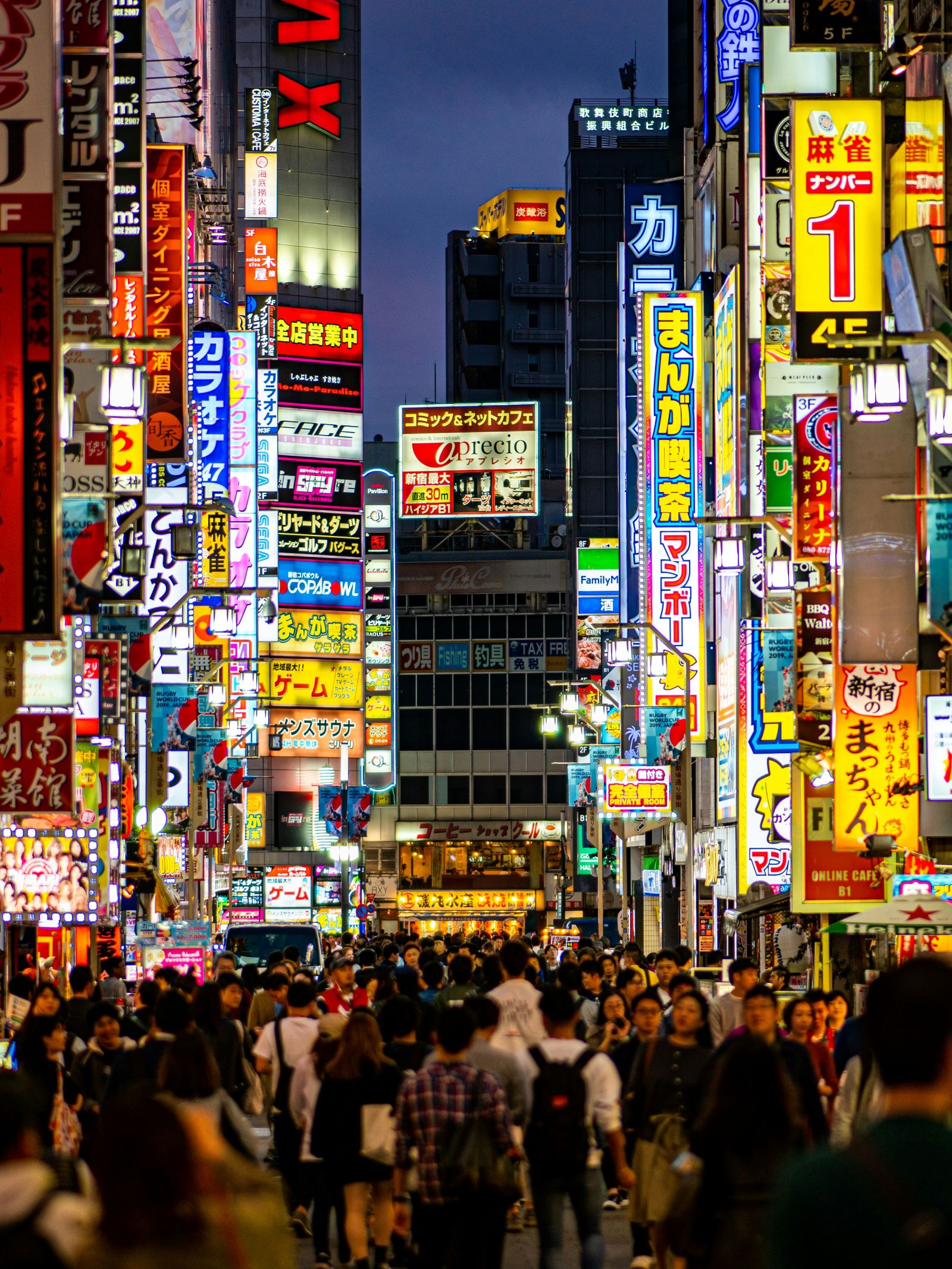
Day-by-day plan

Customize this itinerary in minutes

Generate an editable plan with maps, photos, and day-by-day views.

Complete 5-day Tokyo itinerary (day-by-day plan)

Full written version of the 5-day Tokyo itinerary, including the main stops, transfers, meals, and highlights for each day.

Travelers with less time can use the Tokyo 3-day itinerary, while those staying longer can follow the Tokyo 7-day itinerary or combine it with a wider route like the Japan 10-day itinerary.

Day 1: Tokyo arrival, Asakusa, and Akihabara

Arrival in Tokyo with a relaxed first afternoon focused on Sensō-ji in Asakusa, followed by a classic tempura dinner and an energetic evening in Akihabara.

  • 14:00 — Arrival and transfer to accommodation in Shinjuku
  • 15:30 — Check-in in Shinjuku area
  • 16:30 — Visit Sensō-ji Temple in Asakusa
  • 18:30 — Dinner at Daikokuya Tempura, Asakusa
  • 20:00 — Evening walk and exploration in Akihabara

Transport: Train transfer from Haneda Airport to Shinjuku, local metro and walking within Tokyo districts Asakusa and Akihabara.

Day 2: Meiji Shrine, Harajuku, and Shibuya

Full day exploring some of Tokyo’s most iconic central districts, combining the calm of Meiji Shrine with Harajuku’s fashion streets and the nonstop energy of Shibuya.

  • 09:00 — Visit Meiji Shrine
  • 11:00 — Explore Takeshita Street, Harajuku
  • 12:30 — Lunch at Afuri Harajuku
  • 14:00 — Visit Shibuya Crossing and Hachiko Statue
  • 15:30 — Shopping and coffee break at Shibuya Center-gai
  • 18:30 — Dinner at Uobei Shibuya Dogenzaka

Transport: Local metro and walking within Tokyo districts Harajuku and Shibuya.

Day 3: Imperial Palace East Gardens, Ginza, and teamLab

Mix historic central Tokyo with upscale city districts and immersive digital art, ending with dinner and an evening stroll in Roppongi.

  • 09:00 — Walk around Imperial Palace East Gardens
  • 11:30 — Explore Ginza district
  • 13:00 — Lunch at Ginza Kagari
  • 15:00 — Visit teamLab Planets TOKYO
  • 18:30 — Dinner at Gonpachi Nishiazabu
  • 20:00 — Evening stroll in Roppongi Hills

Transport: Local metro and walking within Tokyo districts central Tokyo, Ginza, and Roppongi.

Day 4: Ueno, Tokyo National Museum, and Odaiba

Day combining classic museum time and park space in Ueno with futuristic waterfront Tokyo in Odaiba, including digital art and night views over the bay.

  • 09:00 — Visit Ueno Park and Tokyo National Museum
  • 12:30 — Lunch at Innsyoutei, Ueno Park
  • 14:30 — Transfer to Odaiba by Yurikamome Line
  • 15:00 — Visit teamLab Borderless digital art museum
  • 18:00 — Dinner at Bills Odaiba
  • 20:00 — Evening walk along Odaiba Seaside Park

Transport: Local metro, Yurikamome Line scenic transfer to Odaiba, and walking.

Day 5: Tsukiji Outer Market, Hamarikyu Gardens, and departure

Simple final morning in Tokyo with food-focused browsing around Tsukiji, a sushi brunch, one last traditional garden walk, and departure from Haneda Airport.

  • 08:30 — Visit Tsukiji Outer Market
  • 09:30 — Brunch at Sushi Zanmai Tsukiji
  • 11:00 — Leisurely walk along Hamarikyu Gardens
  • 12:30 — Transfer to Tokyo Haneda Airport

Transport: Local metro and train transfer to Haneda Airport.

FAQ

Is 5 days enough for Tokyo?

Yes—5 days is a very solid amount of time for a first Tokyo trip. It lets you combine major districts like Asakusa, Shibuya, Shinjuku, Ginza, Ueno, and Odaiba while keeping the pace manageable.

What is the best 5-day itinerary for Tokyo?

A practical 5-day Tokyo itinerary usually mixes traditional areas like Asakusa and Meiji Shrine with modern districts such as Shibuya, Akihabara, Ginza, and Odaiba. This route follows that structure with realistic pacing and easy public transport connections.

Is this Tokyo itinerary suitable for first-time visitors?

Yes—this itinerary is designed for first-time visitors. It covers Tokyo’s most iconic neighborhoods, balances historic and modern experiences, and avoids trying to squeeze in long day trips outside the city.