
Japan 14-Day Itinerary
This is a fairly comprehensive itinerary that allows time to see a lot without making the trip overly intense; it uses the "Golden Route" as a foundation but adds extra stops that really complement the journey. Start in Tokyo with a Nikko day trip, dive into Kyoto (plus Nara), enjoy Osaka’s food scene, add a Himeji castle day trip, and finish with a meaningful Hiroshima stay before returning to Tokyo. If you have less time see our 12-day or 10-day itinerary.
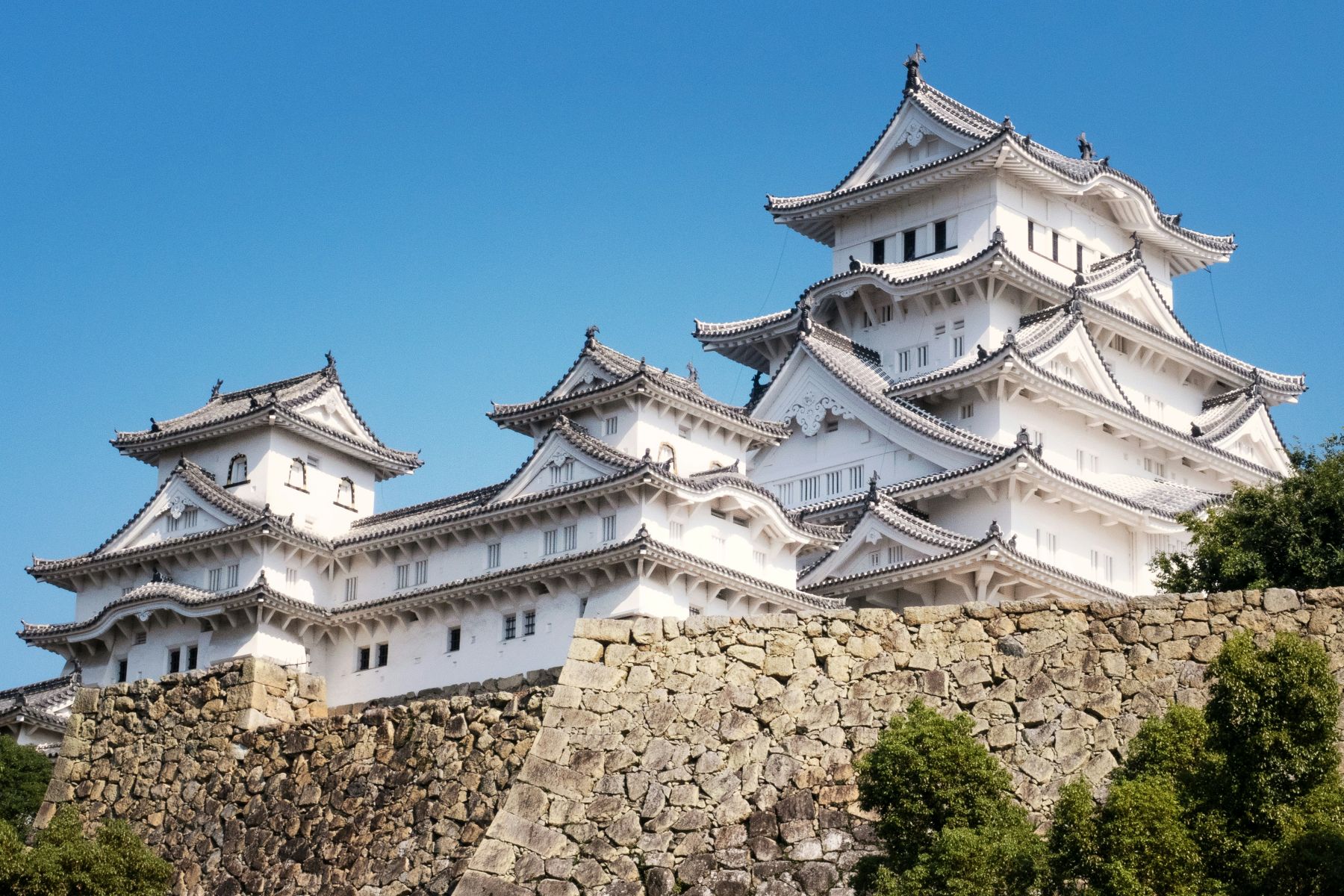
Route at a glance
A deeper first-time Japan route linking Tokyo, Kyoto, Osaka, and Hiroshima, with rewarding day trips to Nikko, Nara, and Himeji before a final return to Tokyo.
- 1 Tokyo Days 1–4
- 2 Nikko Day 3 · Day trip
- 3 Kyoto Days 5–8
- 4 Nara Day 7 · Day trip
- 5 Osaka Days 9–11
- 6 Himeji Day 11 · Day trip
- 7 Hiroshima Day 12
- 8 Tokyo Days 13–14
Where this trip comes to life
A quick visual preview of where this route settles in.
Day-by-day plan
Click a day to view the details
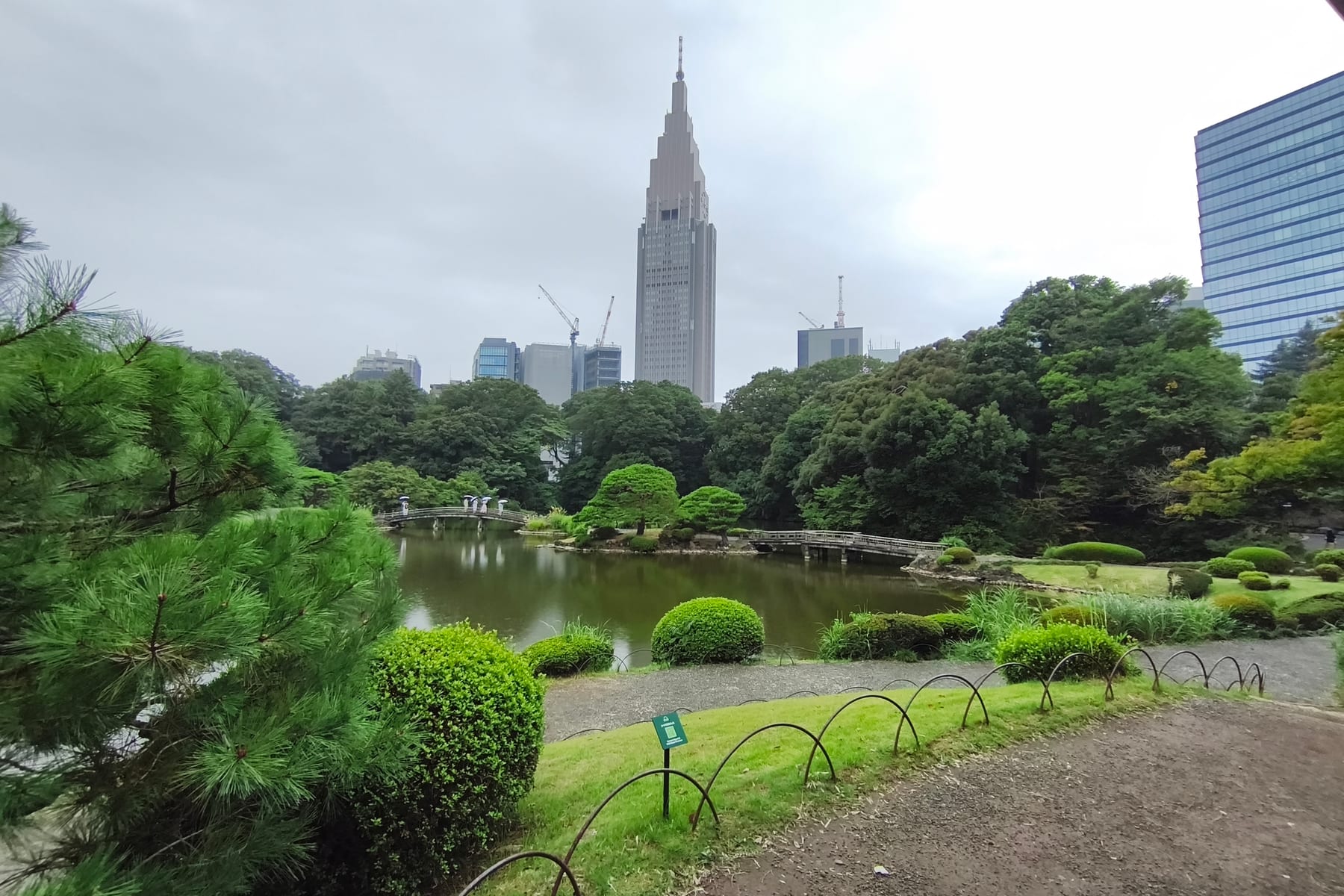
Day 1: Tokyo (arrival, Shinjuku, and skyline views)
Arrival in Tokyo in the early afternoon, Shinjuku exploration, city skyline views, and a first ramen dinner.
Airport train from Haneda to Shinjuku, walking within Shinjuku area.
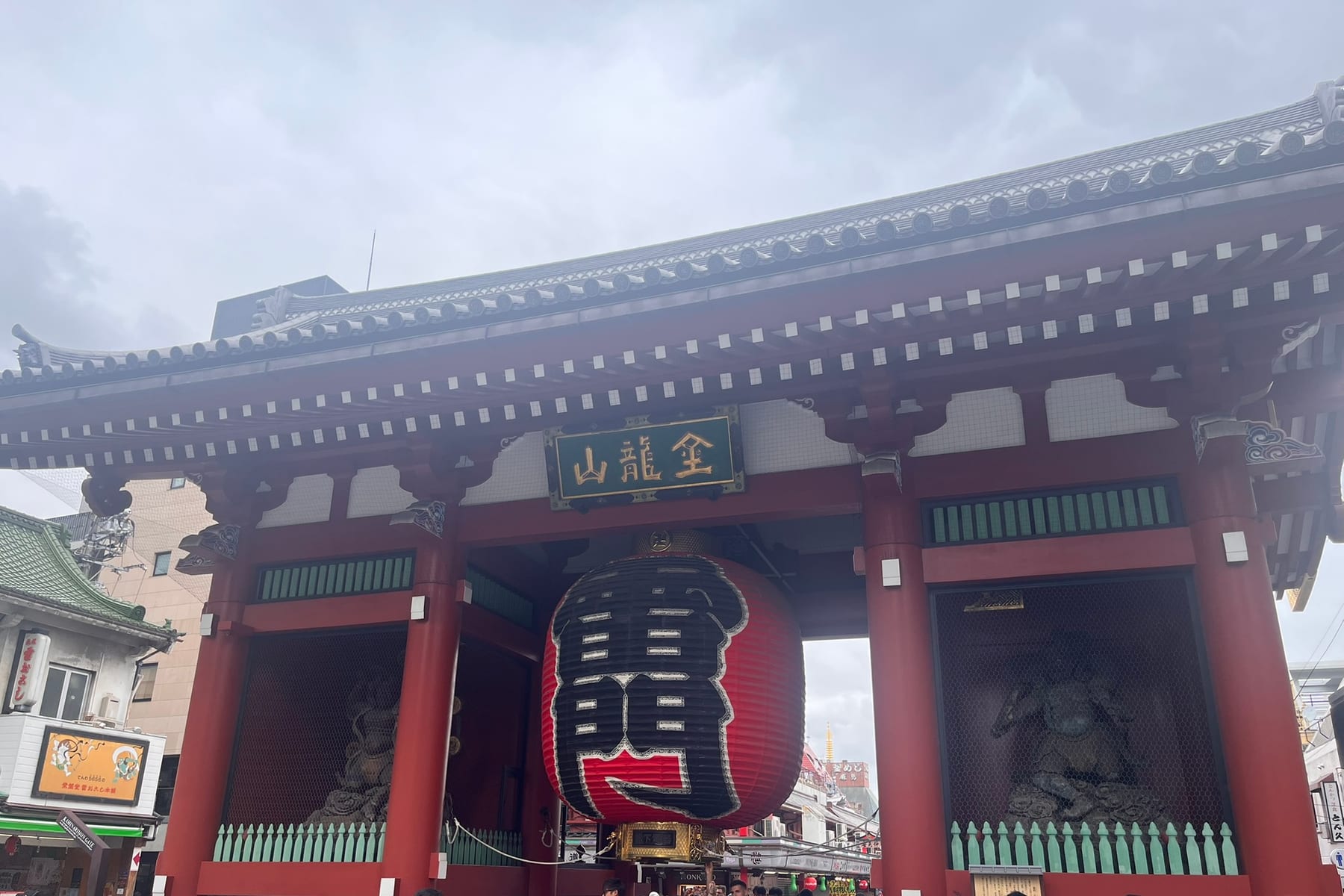
Day 2: Tokyo (Asakusa, Akihabara, and Roppongi)
Full day exploring historical Asakusa, modern Akihabara, and evening in Roppongi.
Tokyo metro and walking within Asakusa, Akihabara, Roppongi.
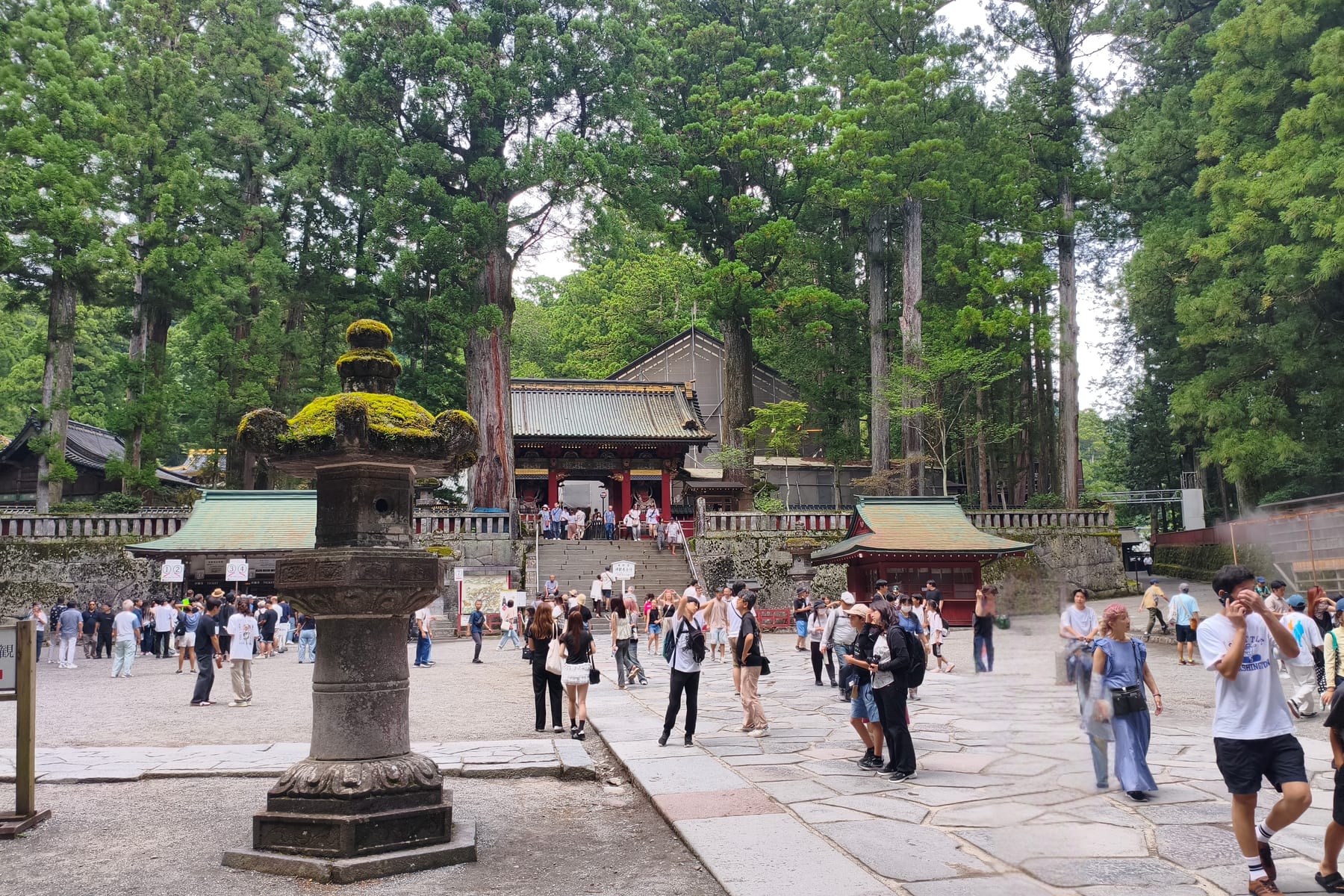
Day 3: Nikko day trip from Tokyo
Day trip to Nikko’s UNESCO shrines and natural scenery, return to Tokyo in the evening.
Roundtrip JR limited express train Tokyo–Nikko, local buses in Nikko, walking within Nikko and Tokyo.
Day 4: Tokyo (Ueno culture and Ginza)
Cultural morning in Ueno Park museums, afternoon shopping in Ginza.
Metro and walking Ueno and Ginza districts, no intercity transfer.
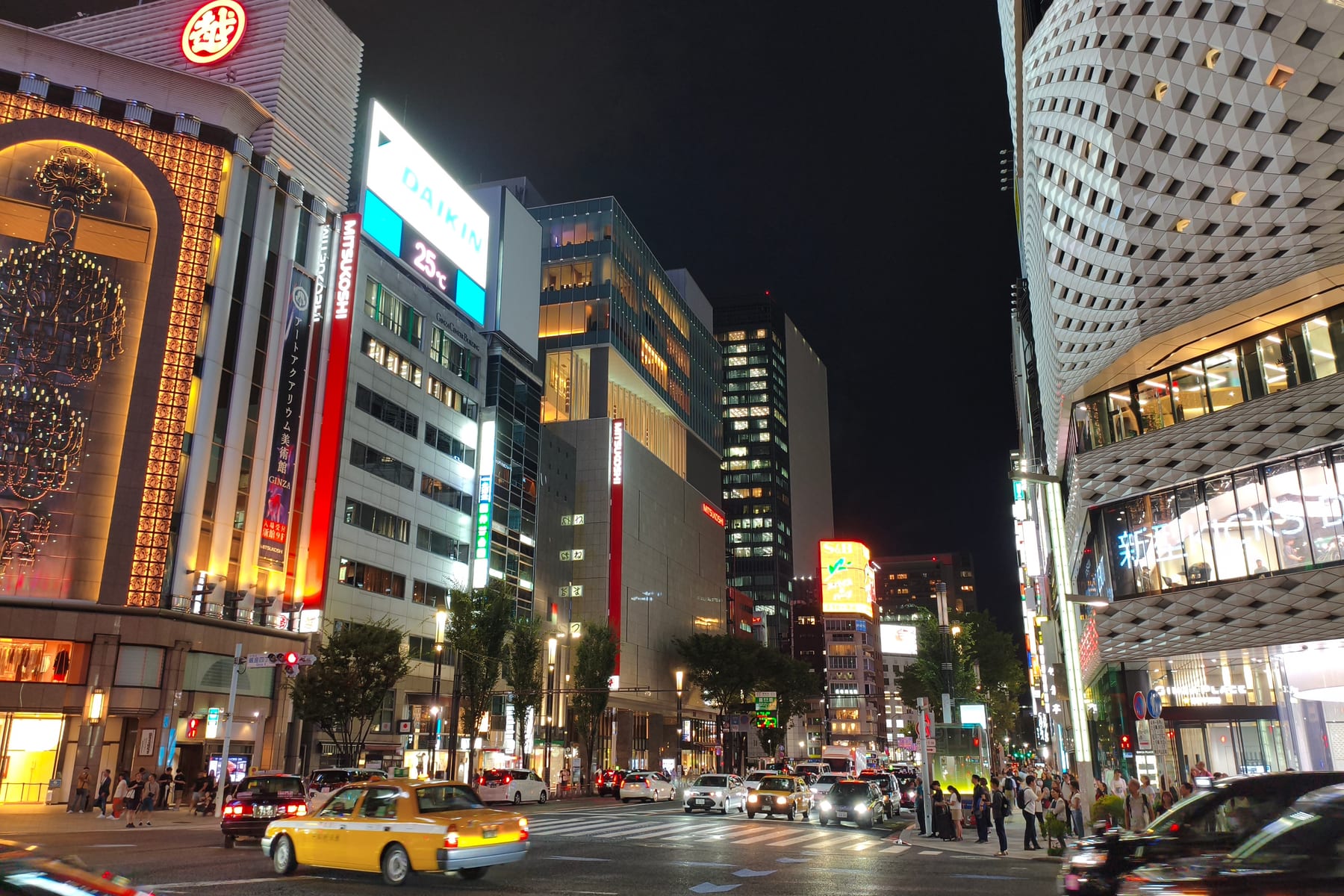
Day 5: Kyoto (Shinkansen arrival, Kiyomizu-dera, and Gion)
Transfer from Tokyo to Kyoto via Shinkansen, afternoon visit to Kiyomizu-dera and Gion.
Shinkansen Tokyo → Kyoto, local buses and walking in Kyoto city center.
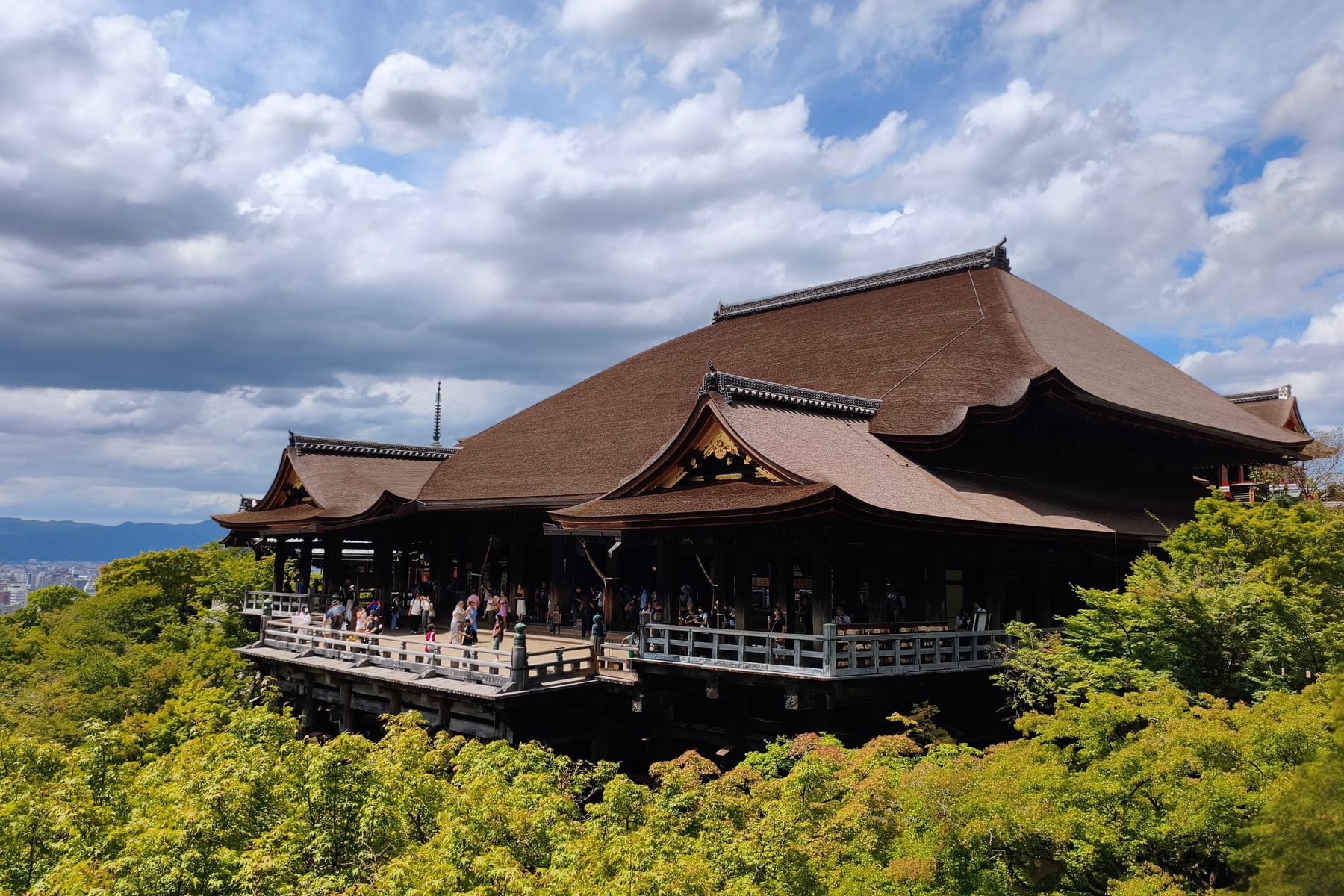
Day 6: Kyoto (Arashiyama, Fushimi Inari, and tea ceremony)
Full day in Kyoto visiting temples, bamboo forest, and traditional tea ceremony.
Local buses and trains in Kyoto, walking between nearby sites.
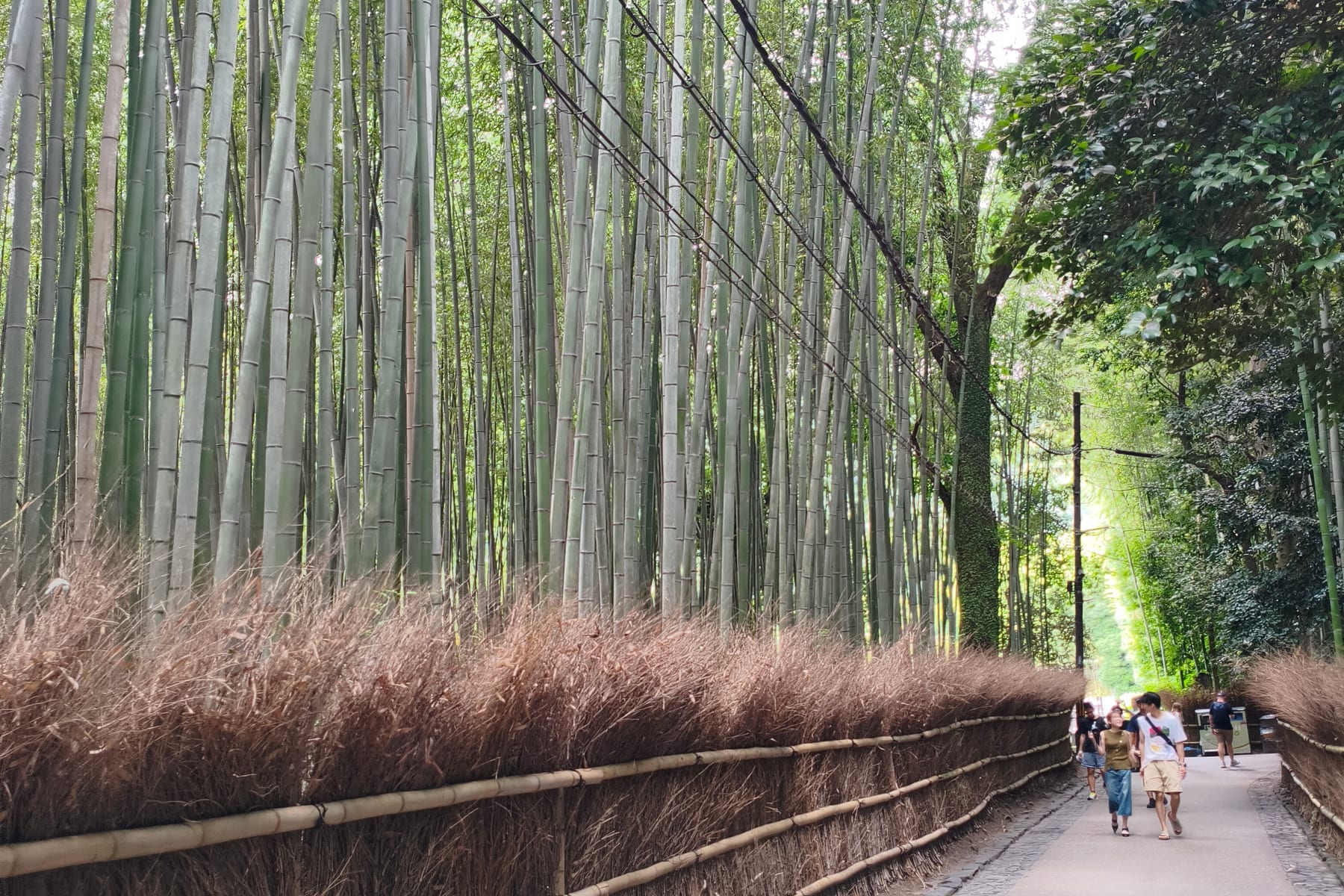
Day 7: Nara day trip from Kyoto
Day trip from Kyoto to Nara to visit ancient temples and parks, back to Kyoto at night.
Local JR train Kyoto ↔ Nara, walking in Nara city center.
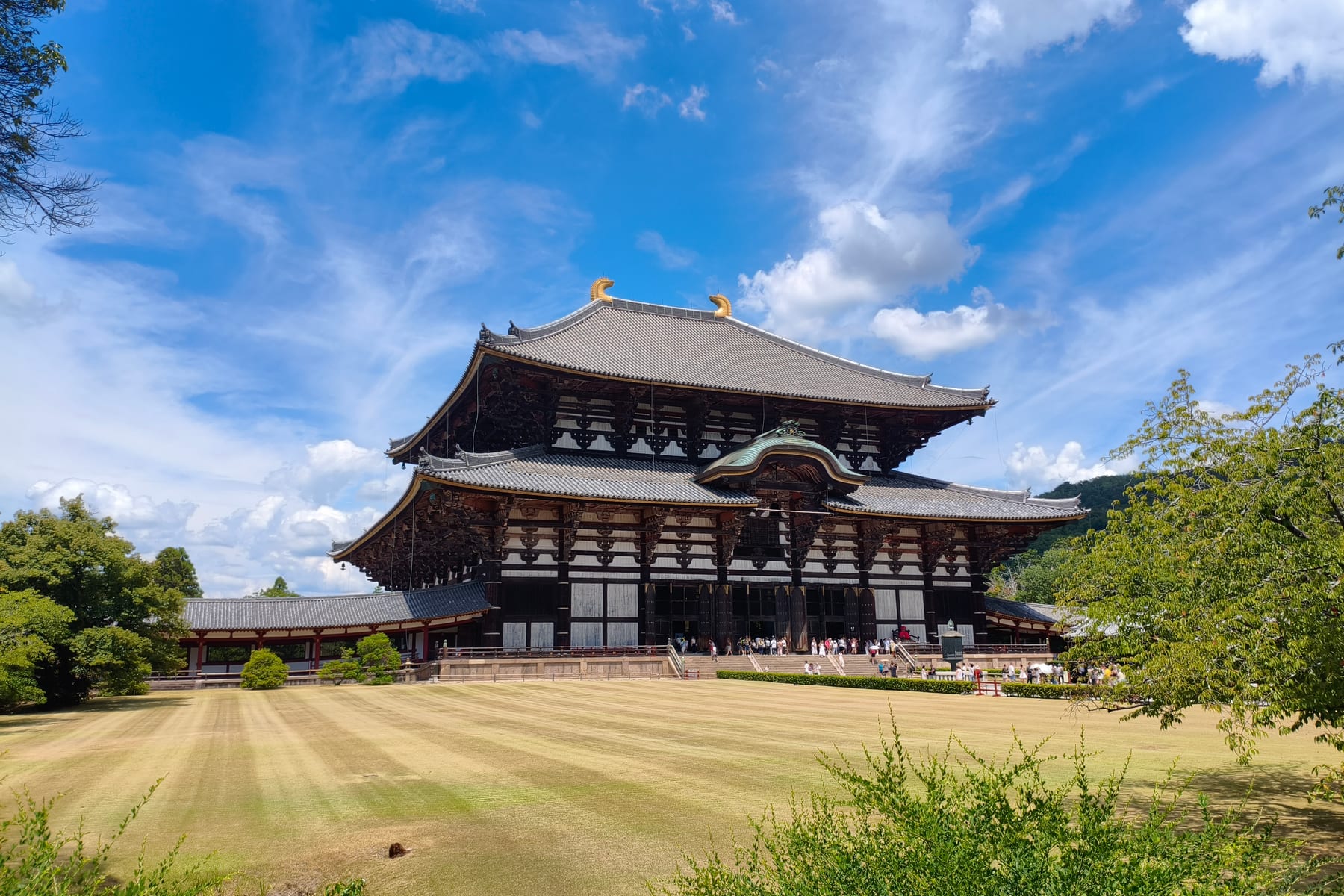
Day 8: Kyoto (Philosopher’s Path, Ginkaku-ji, and Nishiki Market)
Discover traditional Kyoto with the Philosopher’s Path, Silver Pavilion, and Nishiki Market.
Local buses and walking within Kyoto for temples and market.
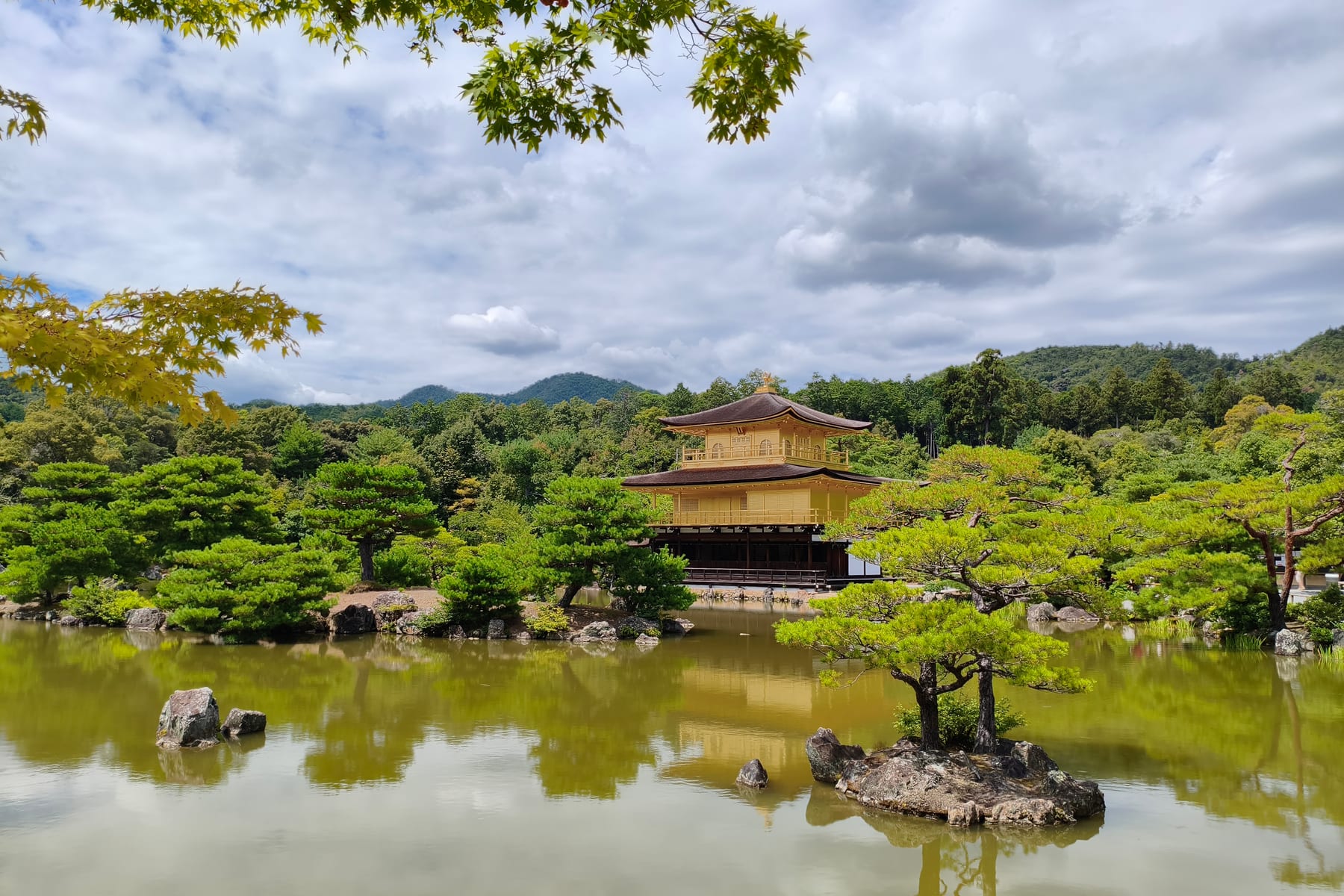
Day 9: Osaka (arrival, castle, and Dotonbori)
Transfer to Osaka and explore Osaka Castle and lively Dotonbori district in the evening.
JR train Kyoto to Osaka and metro/walking around Osaka city center.
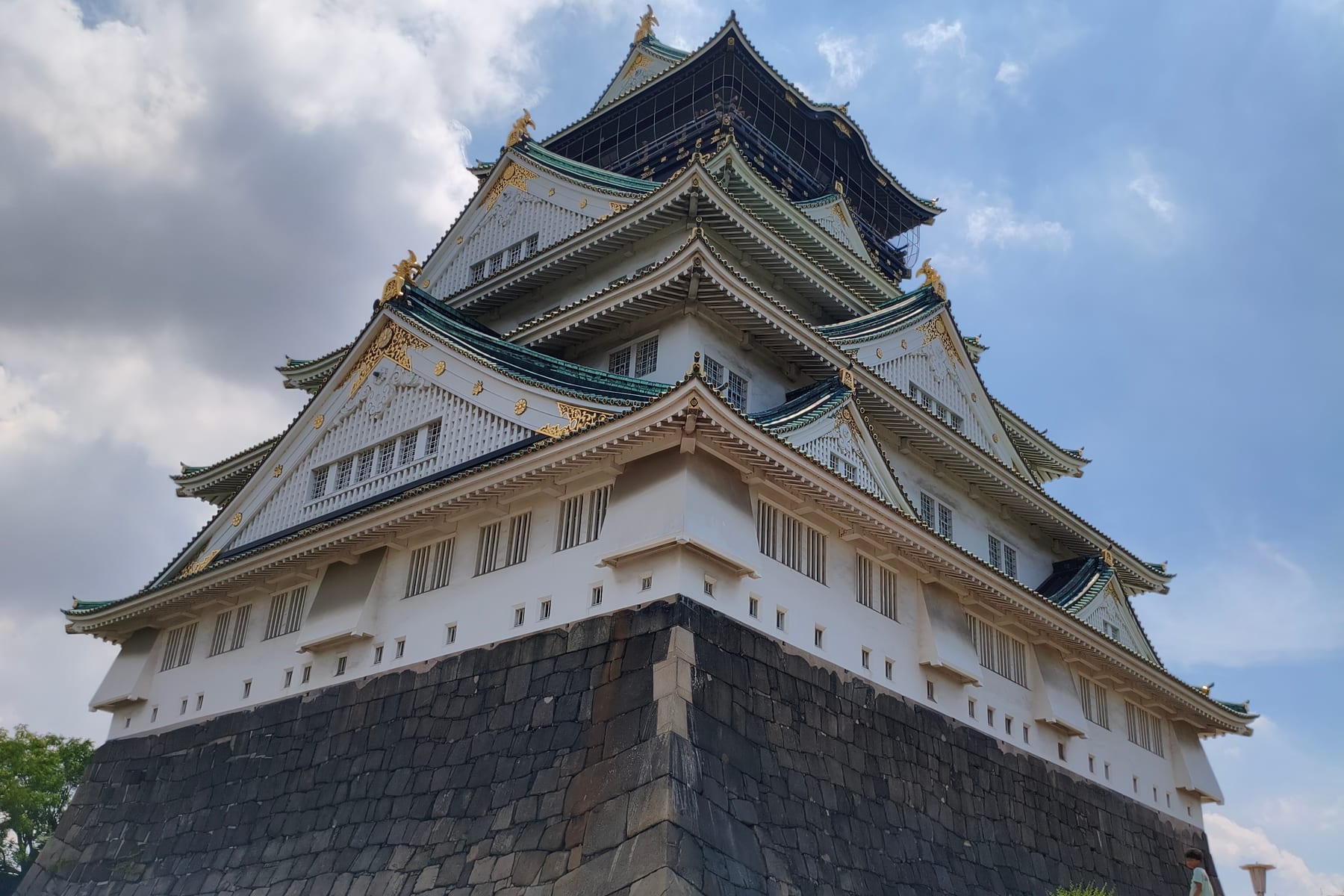
Day 10: Osaka (markets, shrine, and nightlife districts)
Osaka’s highlights including Kuromon Market, Sumiyoshi Taisha Shrine, and nightlife in Namba.
Metro and walking within Osaka city neighborhoods including Namba and Sumiyoshi.
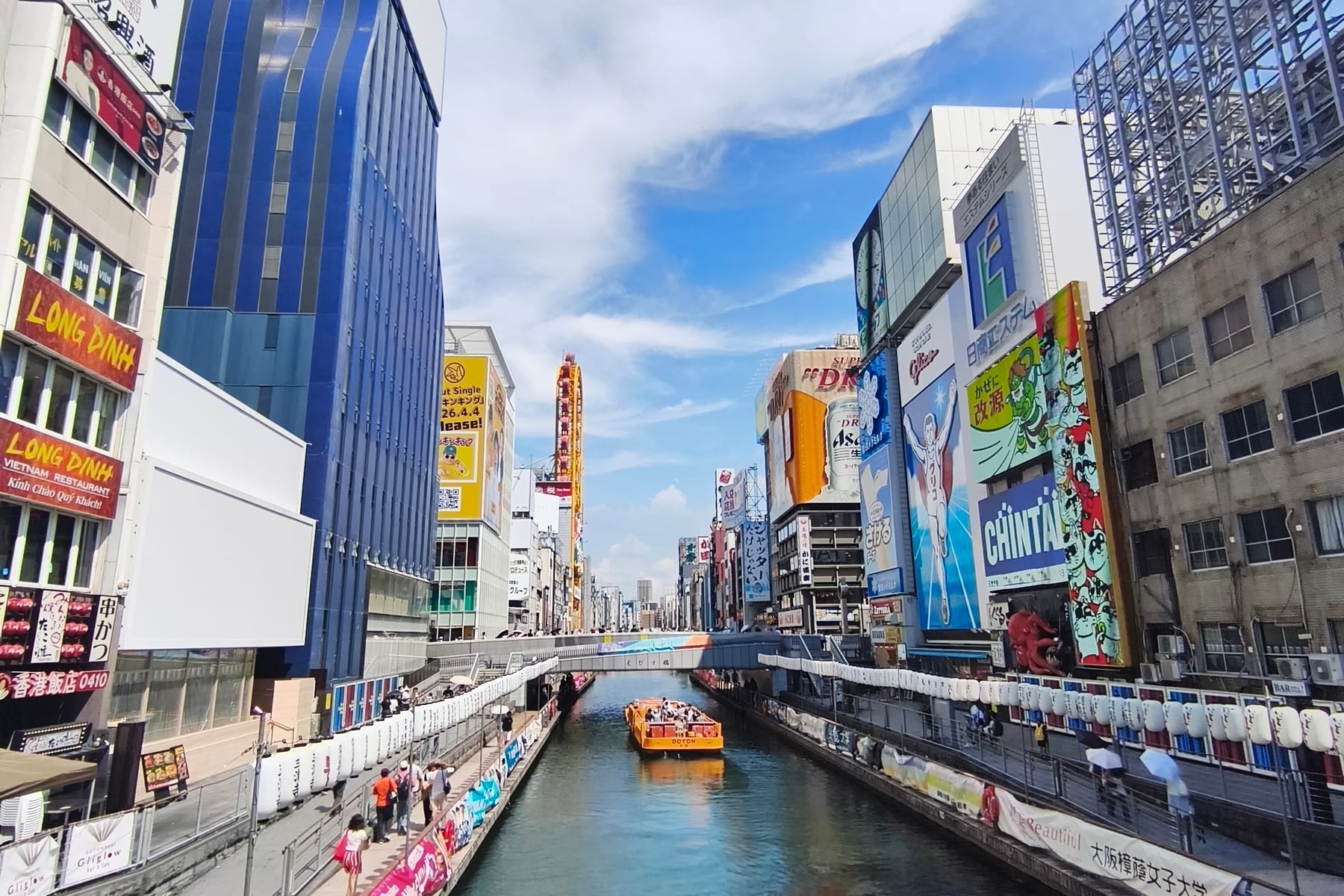
Day 11: Himeji day trip from Osaka
Day trip from Osaka to Himeji to explore Japan’s most spectacular castle, back in Osaka for dinner.
Roundtrip JR train Osaka ↔ Himeji, walking around major sites in Himeji.
Day 12: Hiroshima (arrival, Peace Park, and okonomiyaki)
Travel to Hiroshima and visit Peace Park and Museum with evening Hiroshima-style okonomiyaki dinner.
Shinkansen Osaka → Hiroshima, walking in Hiroshima city center.
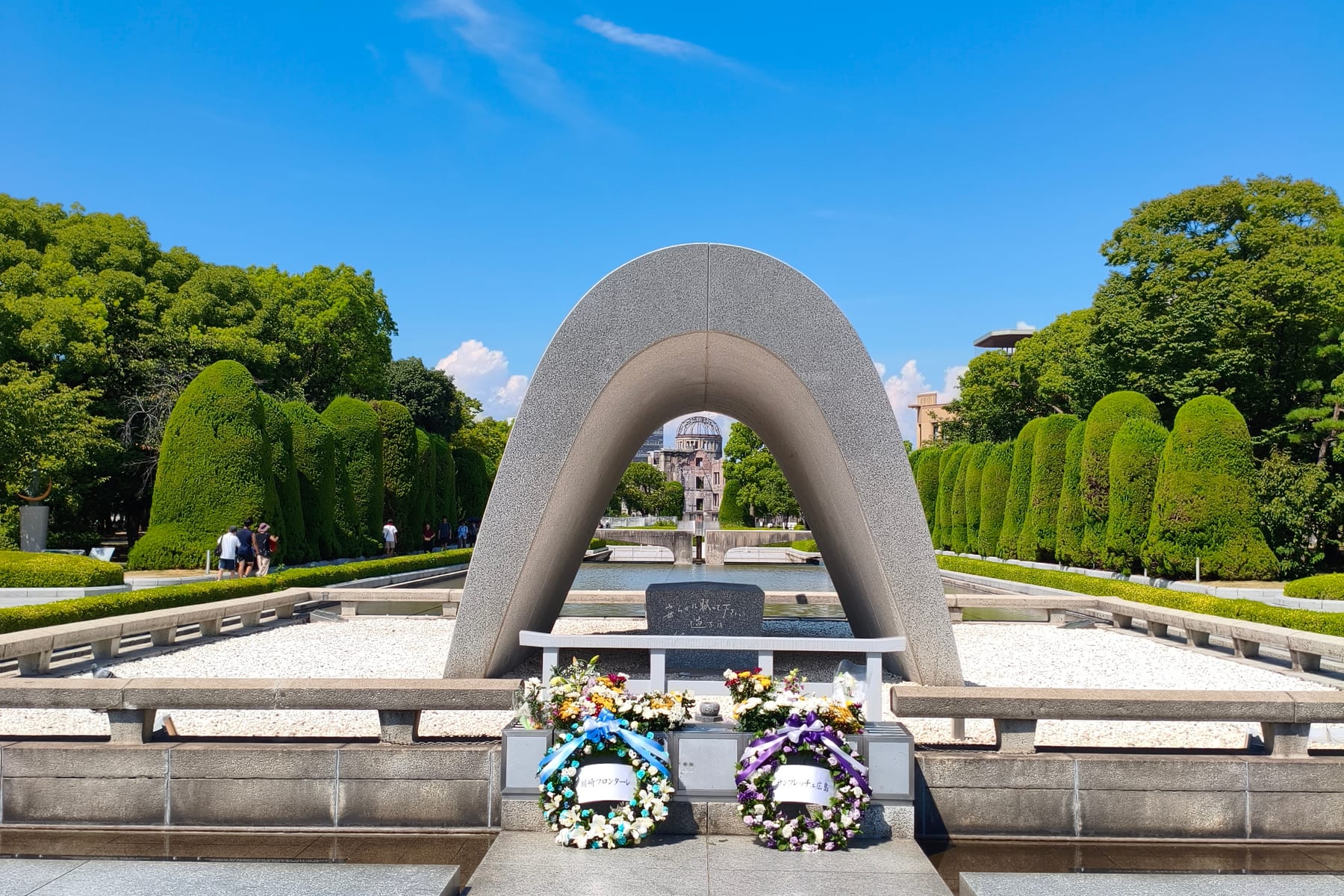
Day 13: Tokyo (return, Meiji Shrine, and Harajuku)
Return to Tokyo by Shinkansen, afternoon visit to Meiji Shrine and Harajuku shopping.
Shinkansen Hiroshima → Tokyo, metro and walking in Tokyo Shibuya and Harajuku.
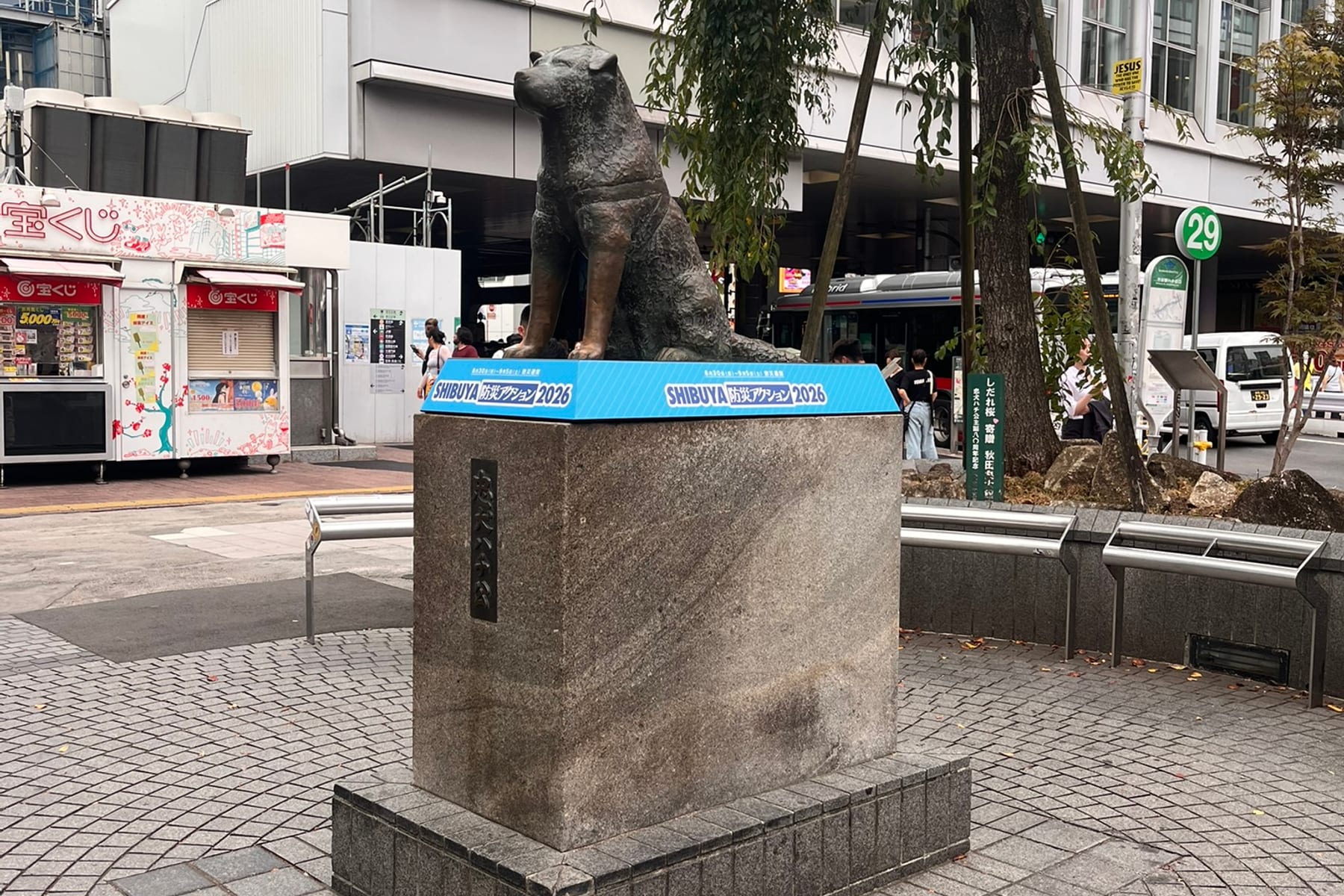
Day 14: Tokyo (final morning and departure)
Final morning for a light stroll and brunch nearby, then airport transfer for departure.
Local metro and walking, then airport train transfer to Haneda Airport.
Planning tips for this Japan itinerary
Practical tips for Japan
Suica, Pasmo, or ICOCA work across Japan on trains, metros, buses, and convenience stores, making daily travel seamless.
Roaming is often slow or expensive—an eSIM gives you faster, more reliable data. Use Google Maps or Japan Travel by NAVITIME for routes and transfers.
Japan uses the yen (JPY). Smaller restaurants, temples, lockers, and local transport still often require cash.
Shinkansen routes (Tokyo–Kyoto–Osaka–Hiroshima) are frequent, but reserving seats helps during busy periods.
Convenience stores are essential for food, ATMs, and quick stops, while station lockers are very useful on transfer days.
Send your bags between hotels (TA-Q-BIN) so you can travel light on trains. Drop luggage at your hotel or a convenience store and it usually arrives the next day.
Where to stay for this itinerary
-
Tokyo 3 areas
Shinjuku Best overall base with major train connections and easy access to most areas.Most practicalShibuya Lively base with great food, shopping, nightlife, and easy access to Harajuku and Omotesando.Best for vibesGinza / Tokyo Station More polished and ideal for easy airport and shinkansen access.Best for connections -
Kyoto 3 areas
Kyoto Station Best for transport, day trips, and easy logistics.Most practicalGion / Higashiyama More atmospheric, ideal for temples and evening walks.Best atmosphereKawaramachi Central location with easy access to restaurants, shops, and transport.Best balance -
Osaka 3 areas
Namba Best for nightlife, food, and walking access to Dotonbori.Best for foodUmeda Better transport hub with easier connections across the region.Best for transportShin-Osaka Best for quick shinkansen access and early departures, but less atmospheric than central areas.Best for transfers -
Hiroshima 2 areas
Hiroshima Station Best for short stays and easy onward travel.Most practicalPeace Park area Better atmosphere and walking access to main sights.Best location
Spending a night in a traditional ryokan with tatami rooms, onsen baths, and a kaiseki dinner is one of Japan’s most memorable experiences.
Best time to visit Japan
A quick seasonal view for this route across Tokyo, Kyoto, Osaka, and Hiroshima.
Spring (March to May) and autumn (October to November) are usually the best times for a first trip to Japan, with comfortable weather for cities, temples, and day trips. Summer is still possible, but it’s hot and humid, so a slower pace helps. Winter is colder but often clear, quieter, and great for food, culture, and city exploring.
Details
Japan 14-day itinerary overview
This 14-day route is designed to feel “full” without feeling rushed. You’ll get the big-city energy of Tokyo, a UNESCO day trip to Nikko, classic Kyoto temples (plus a tea ceremony), an easy Nara day trip, Osaka’s food and neighborhoods, Japan’s most famous castle in Himeji, and a full Hiroshima overnight for a more comfortable pace.
Route at a glance
- Tokyo (Days 1–4) + Nikko day trip
- Kyoto (Days 5–8) + Nara day trip
- Osaka (Days 9–11) + Himeji day trip
- Hiroshima (Day 12) overnight
- Tokyo (Days 13–14) return + departure
Day-by-day highlights
- Day 1 (Tokyo): Arrival, Shinjuku, garden stroll, casual yakitori
- Day 2 (Tokyo): Asakusa + Akihabara, evening in Roppongi
- Day 3 (Nikko day trip): Toshogu + nature, back to Tokyo
- Day 4 (Tokyo): Ueno museums + Ginza shopping
- Day 5 (Kyoto): Transfer, Kiyomizu-dera, Gion evening
- Day 6 (Kyoto): Arashiyama + Fushimi Inari + tea ceremony
- Day 7 (Nara day trip): Todai-ji + deer park + Kasuga Taisha
- Day 8 (Kyoto): Philosopher’s Path, Ginkaku-ji, Nishiki, Nijo
- Day 9 (Osaka): Transfer, Osaka Castle, Umeda views, Dotonbori dinner
- Day 10 (Osaka): Kuromon Market + Sumiyoshi Taisha + Amerikamura
- Day 11 (Himeji day trip): Castle + Kokoen garden, back to Osaka
- Day 12 (Hiroshima): Transfer, Peace Park & Museum, okonomiyaki
- Day 13 (Tokyo): Return, Meiji Shrine + Harajuku
- Day 14 (Tokyo departure): Gardens + Tsukiji brunch, airport transfer
Customize this itinerary in minutes
Adjust pace, preferences, and route to fit your travel style — for free and within minutes.
FAQ
Is this itinerary customizable?
Yes—MyTripBlueprint generates editable plans. You can change pace, interests, and transport preferences.
Does the full plan include maps and photos?
Yes—generated plans include an interactive day view with maps, routing, and place photos.
Is 14 days enough for Japan?
Yes—14 days gives you enough time to see Japan more comfortably, combining major cities with a few slower or more regional stops. This itinerary is planned to give a fuller experience without excessive rushing.
What is a good 2-week route for Japan?
A good 2-week Japan route usually combines Tokyo, Kyoto, Osaka, and a few extra destinations such as Hiroshima, Kanazawa, or Nara. This itinerary follows a practical structure with a balanced mix of city energy, culture, and day trips.
What is the best time of year to visit Japan?
The best months to visit Japan are usually March to May and October to November. Spring brings mild weather and cherry blossom season, while autumn is especially popular for cooler temperatures and fall colors, with peak foliage in many parts of central Japan from mid-November to early December.
Can I shorten or extend this 14-day Japan itinerary?
Yes—this itinerary can be adapted easily. In MyTripBlueprint, you can generate your own version and tweak the route, pace, and stops to better fit your available time.