Japan · Hiroshima
Hiroshima and Miyajima in two days
Two days, one for the city and one for the island. Whether that is enough, and what to know before you go.
What we did day by day
Day 8: Hiroshima
We took the Shinkansen from Kyoto Station to Hiroshima Station, which takes 1 hour 40 minutes. When we arrived we went straight to the hotel to drop our bags. In Hiroshima we stayed at the Hilton Hiroshima, and there is more about it in the Where we stayed section.
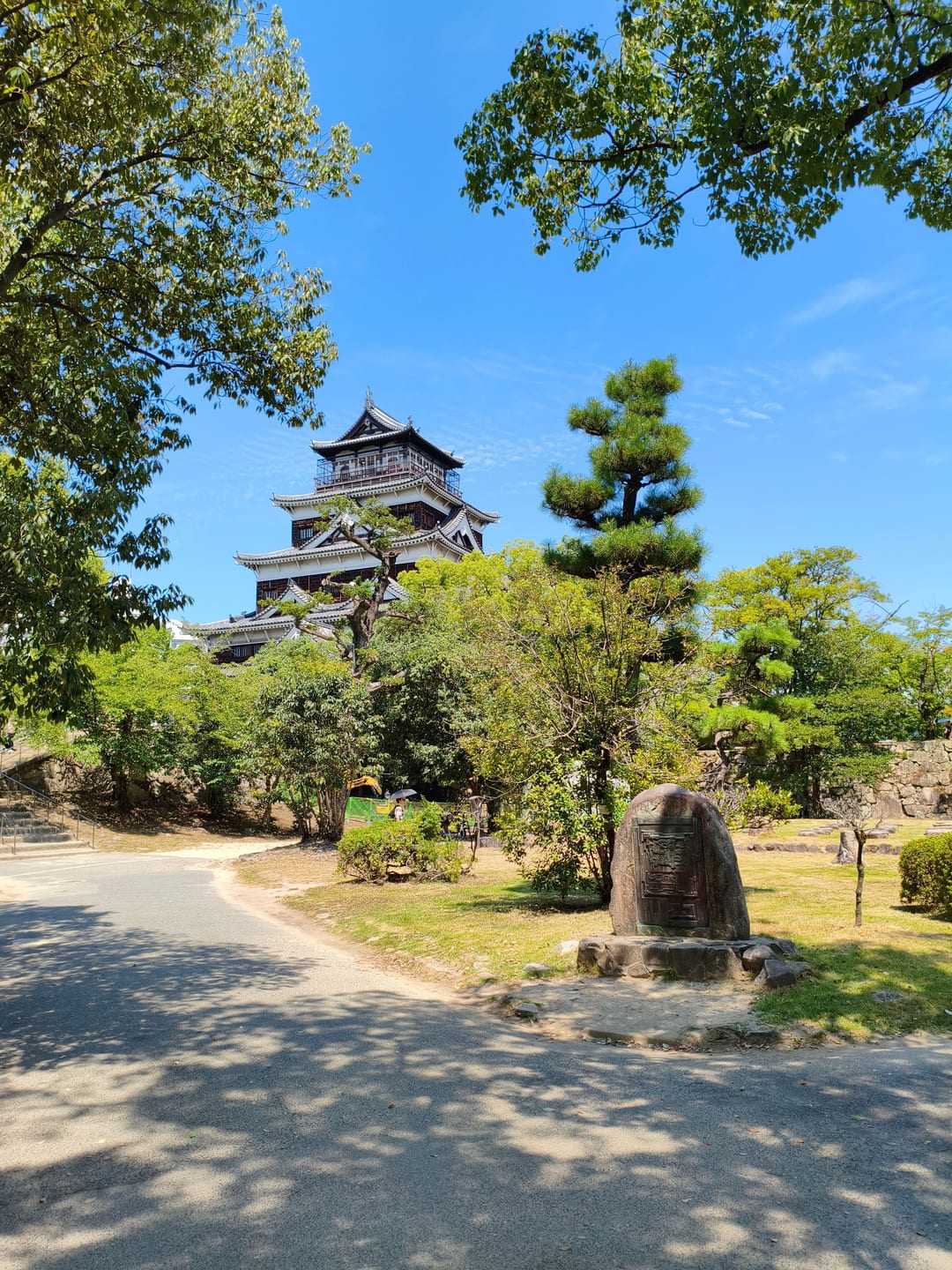
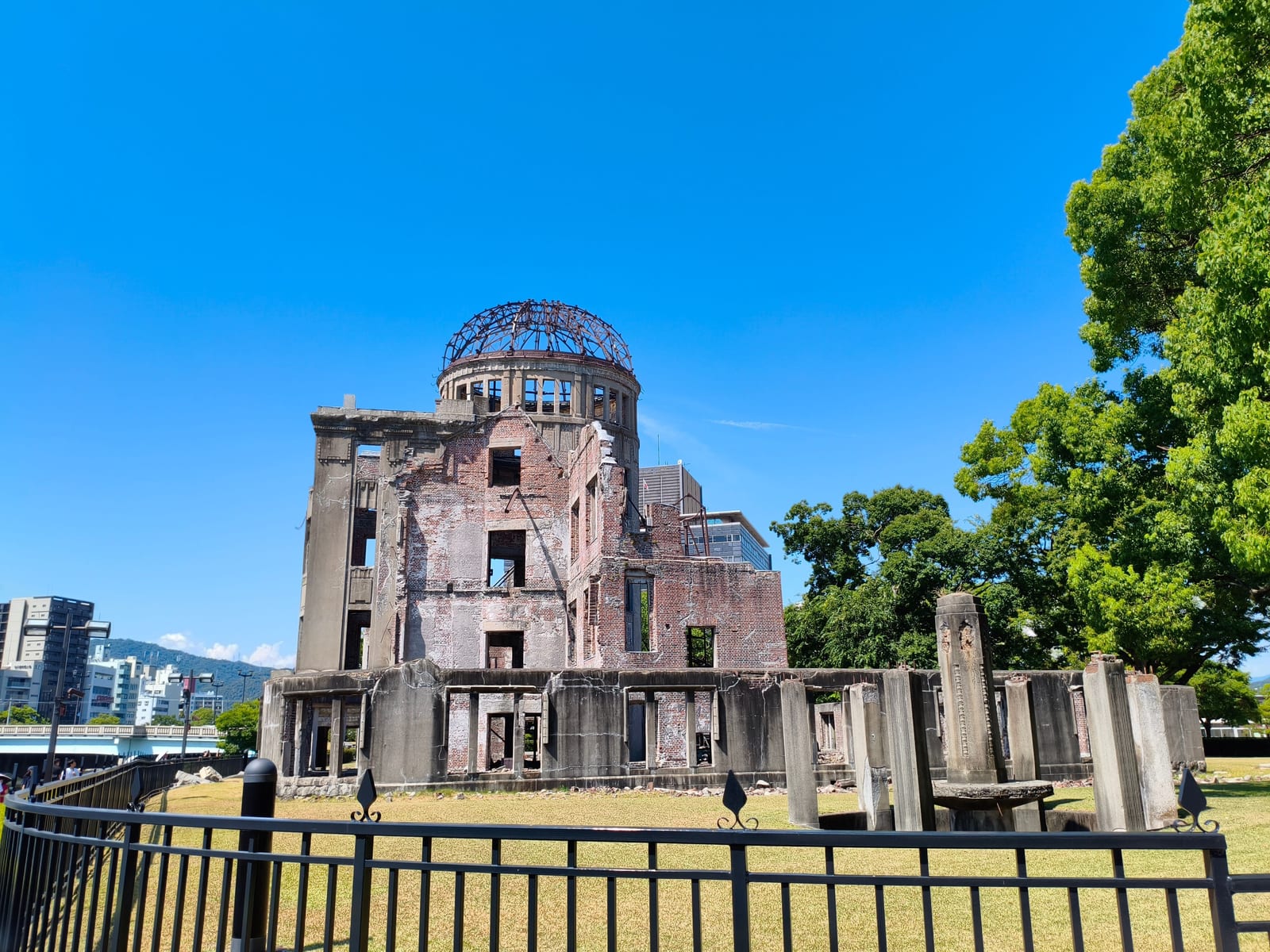
From there we headed to Hiroshima Castle. It is surrounded by a moat, and the grounds hold a number of ruins, among them the old Hiroshima Imperial Army headquarters, so the walk up to the castle is a pleasant one in itself. The castle is worth seeing, though you can no longer go inside: the interior closed in March 2026 because of the state of the building. Afterwards we walked 15 to 20 minutes to the Hiroshima Peace Memorial, better known as the Atomic Bomb Dome, the building left standing after the bombing that now stands as a symbol of peace.
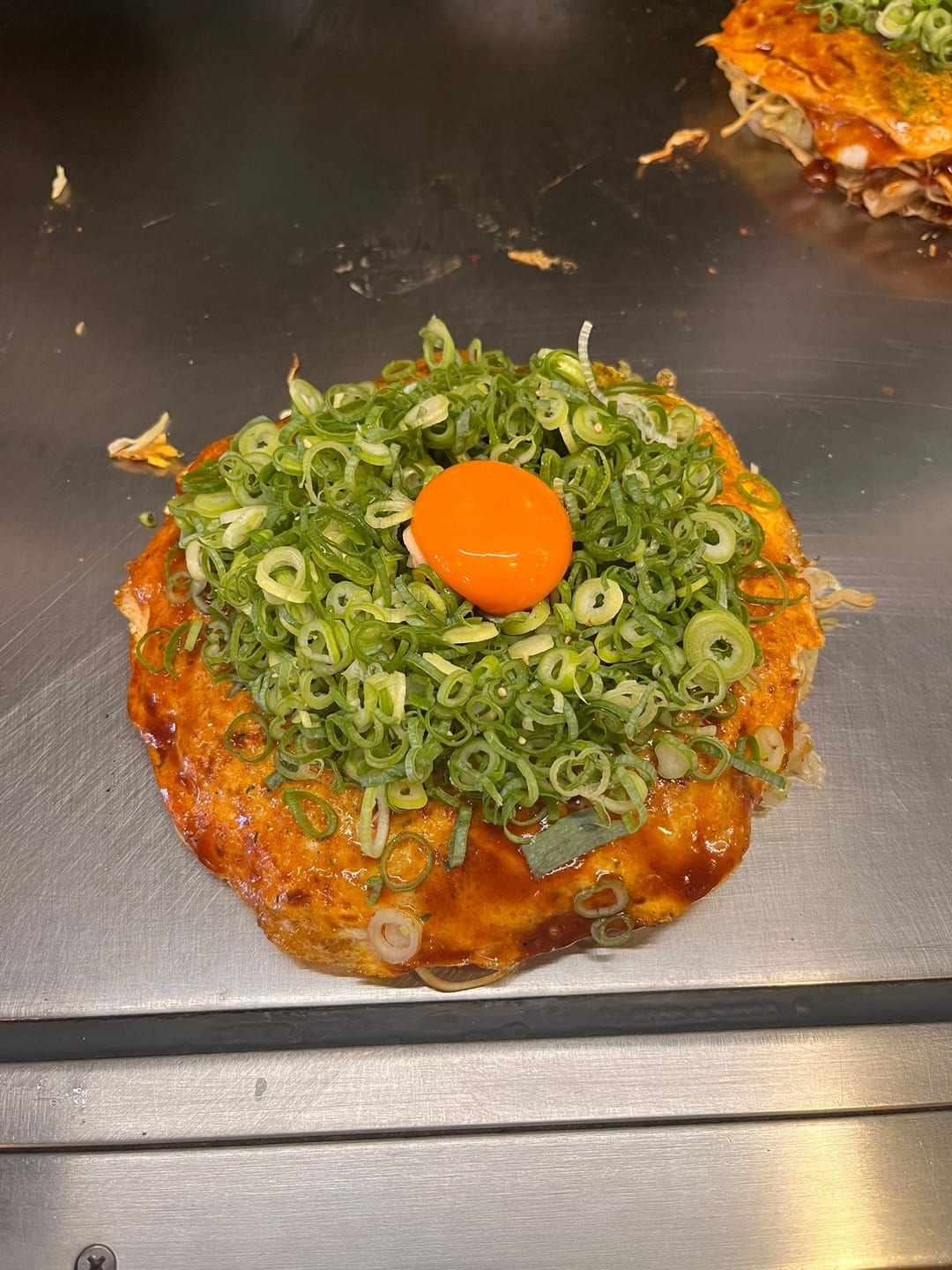
We wanted okonomiyaki for lunch, so we went to a place nearby that looked busy, Nagataya. It is well known and it is not a big room, so there is a queue. We joined it at the corner of the street, about 20 metres from the door, and it took us 30 to 40 minutes to get in. They asked whether we wanted the counter or a table, and since we did not mind they put us at the counter, which meant we could watch the food being made. It was very good. They have a long list of okonomiyaki and we had the original, along with some local lemon gyoza, which we also liked.
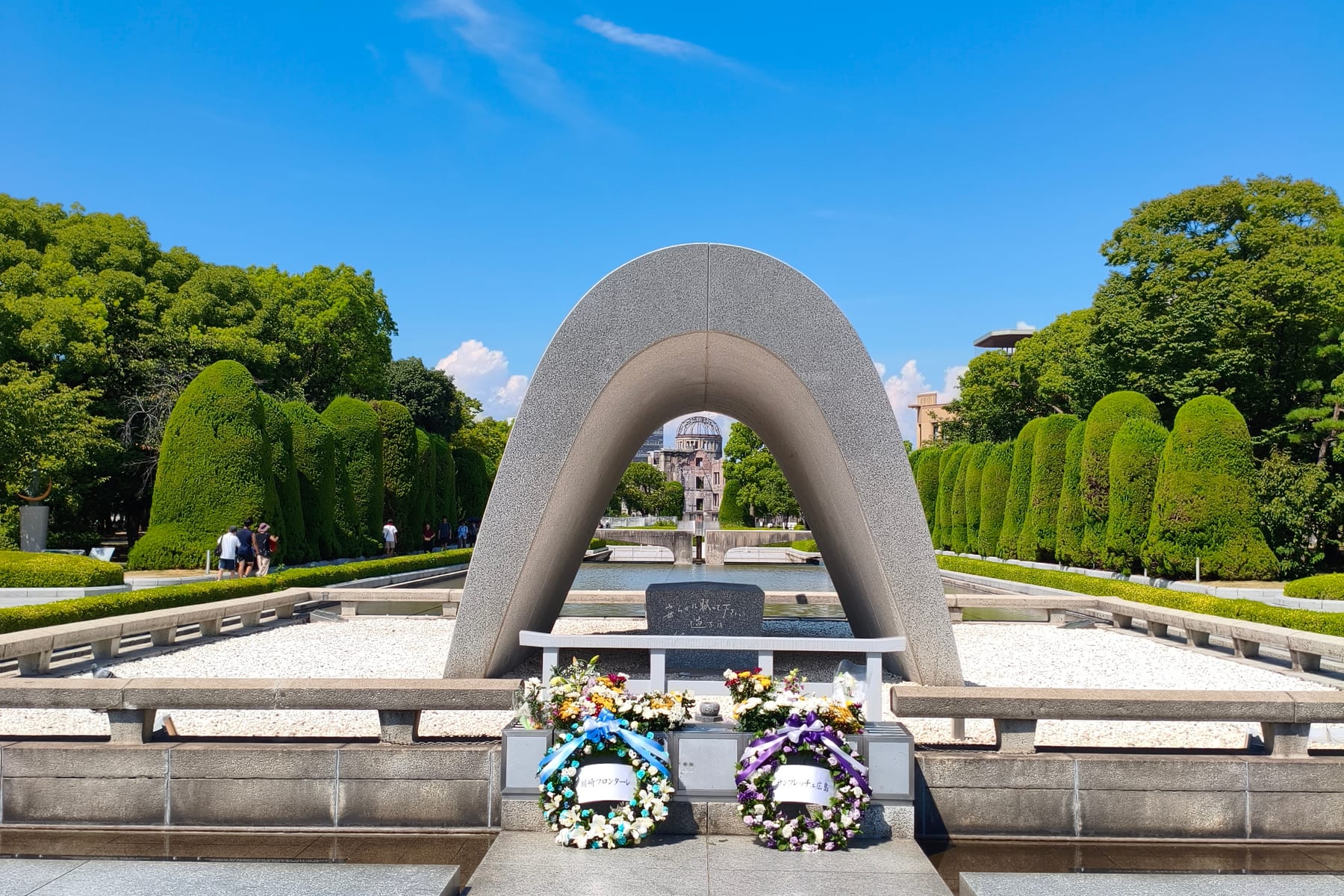
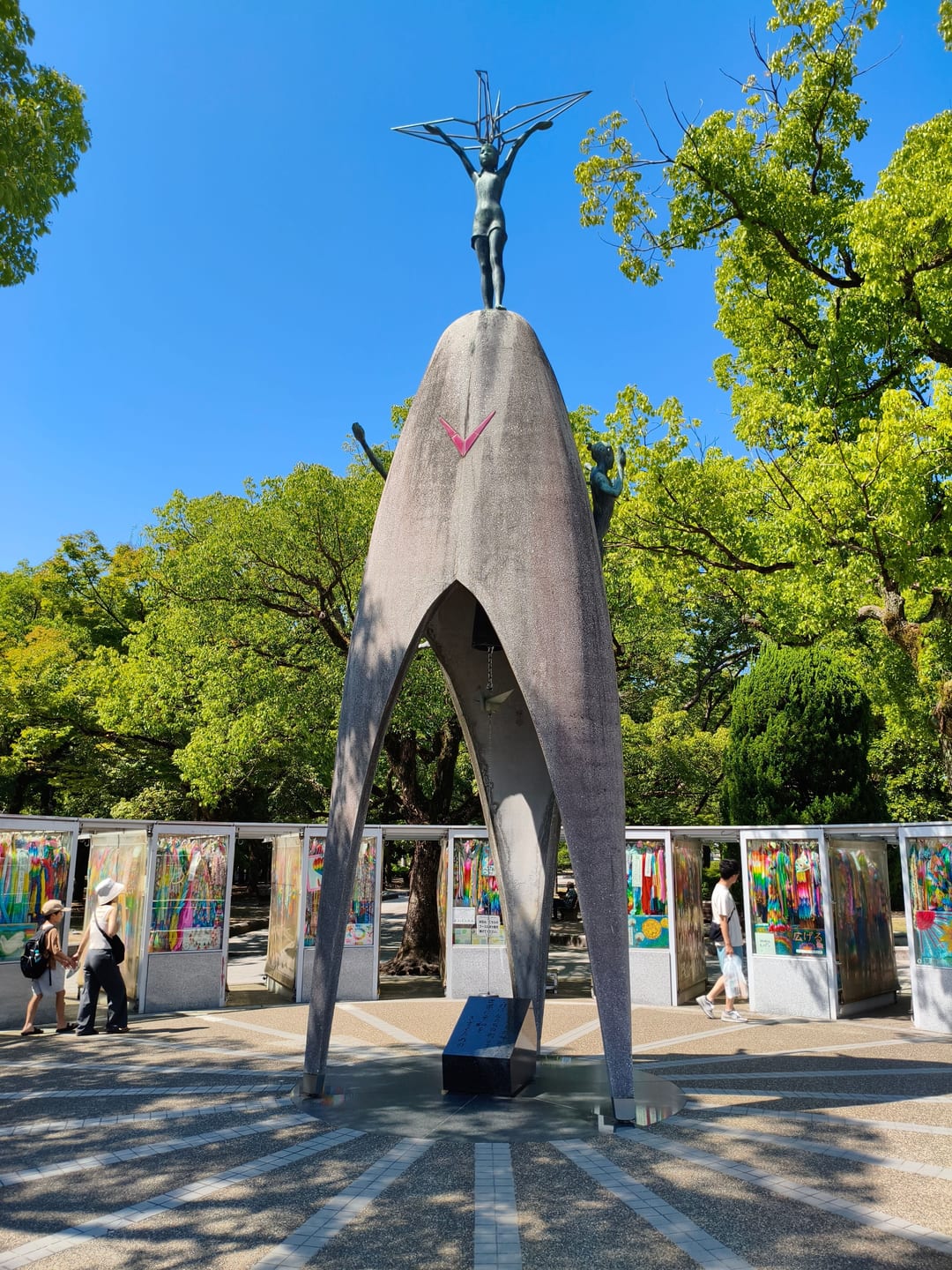
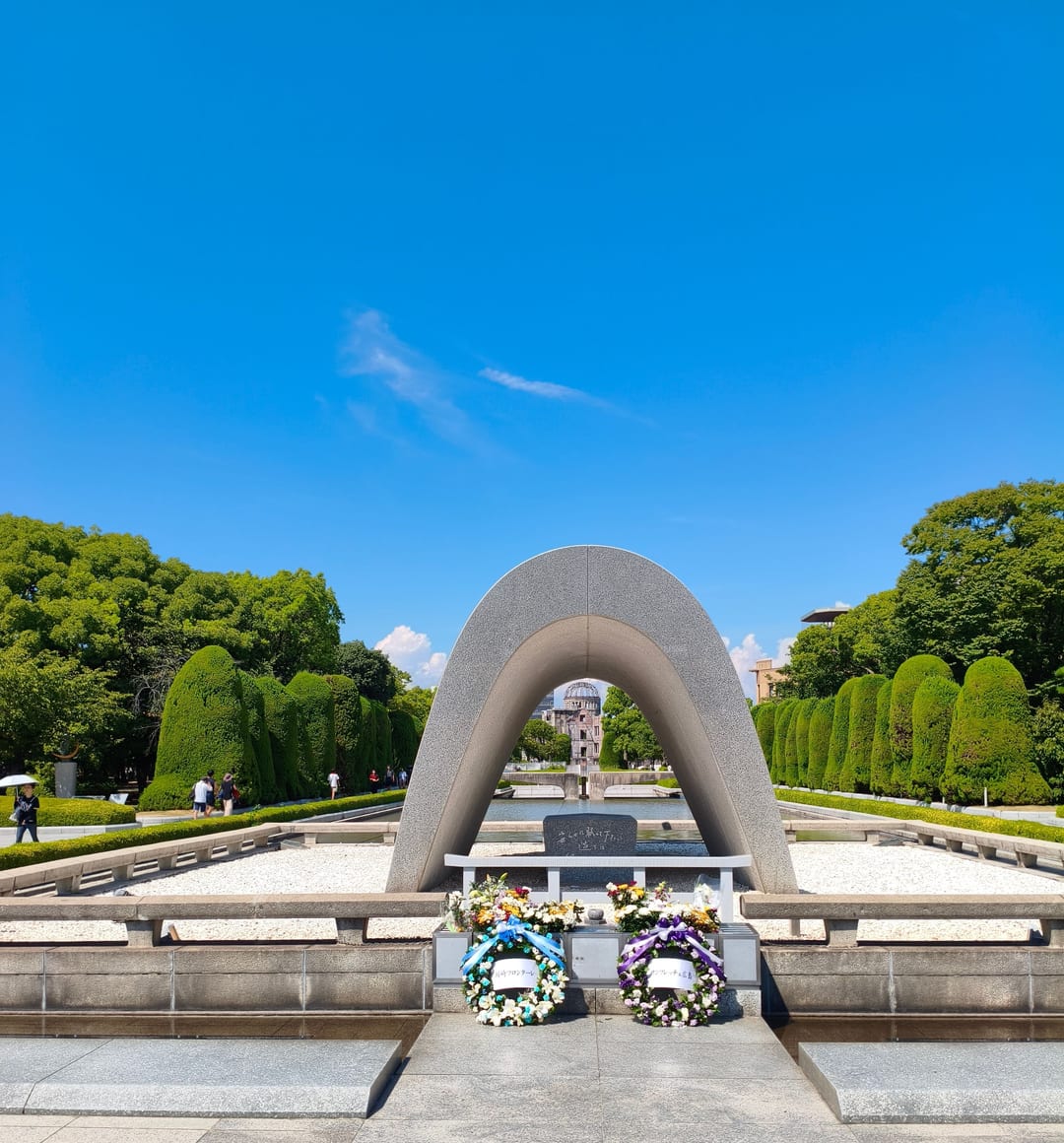
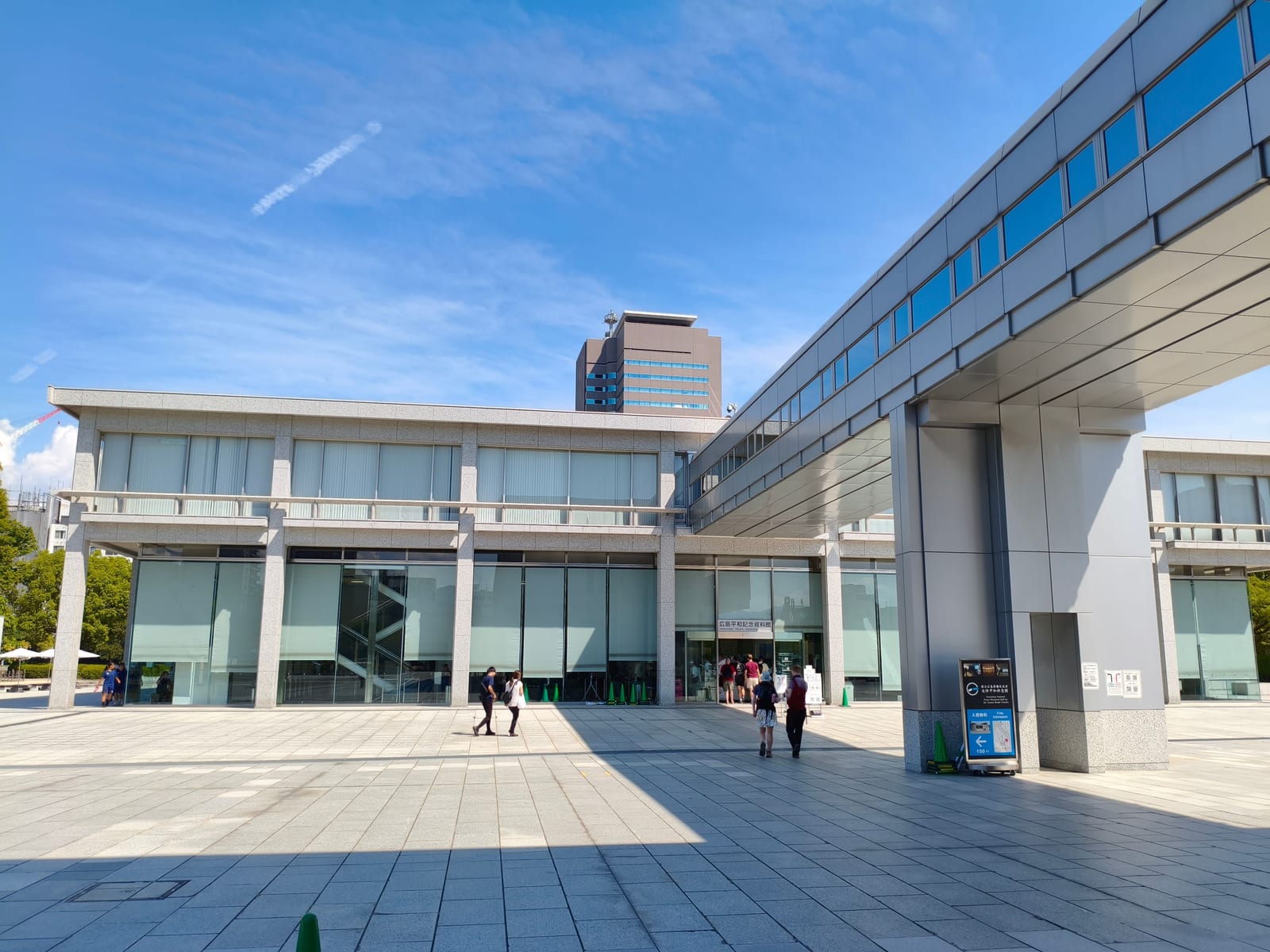
From there we went into the Peace Memorial Park. It holds the Children's Peace Monument, where people leave messages and origami paper cranes, orizuru, as a symbol of peace. The park also has the Cenotaph, and if you stand in front of it you can see the Atomic Bomb Dome framed through the arch. The Peace Memorial Museum is in the park as well.
The Peace Memorial Museum is a must. It is where you understand the history of the city, what the bomb did to Hiroshima and to the people in it, and what weapons of that kind actually mean. The exhibits do not soften the effects, and there are many accounts from people who lived through it or lost their families that day. It can be very hard going.
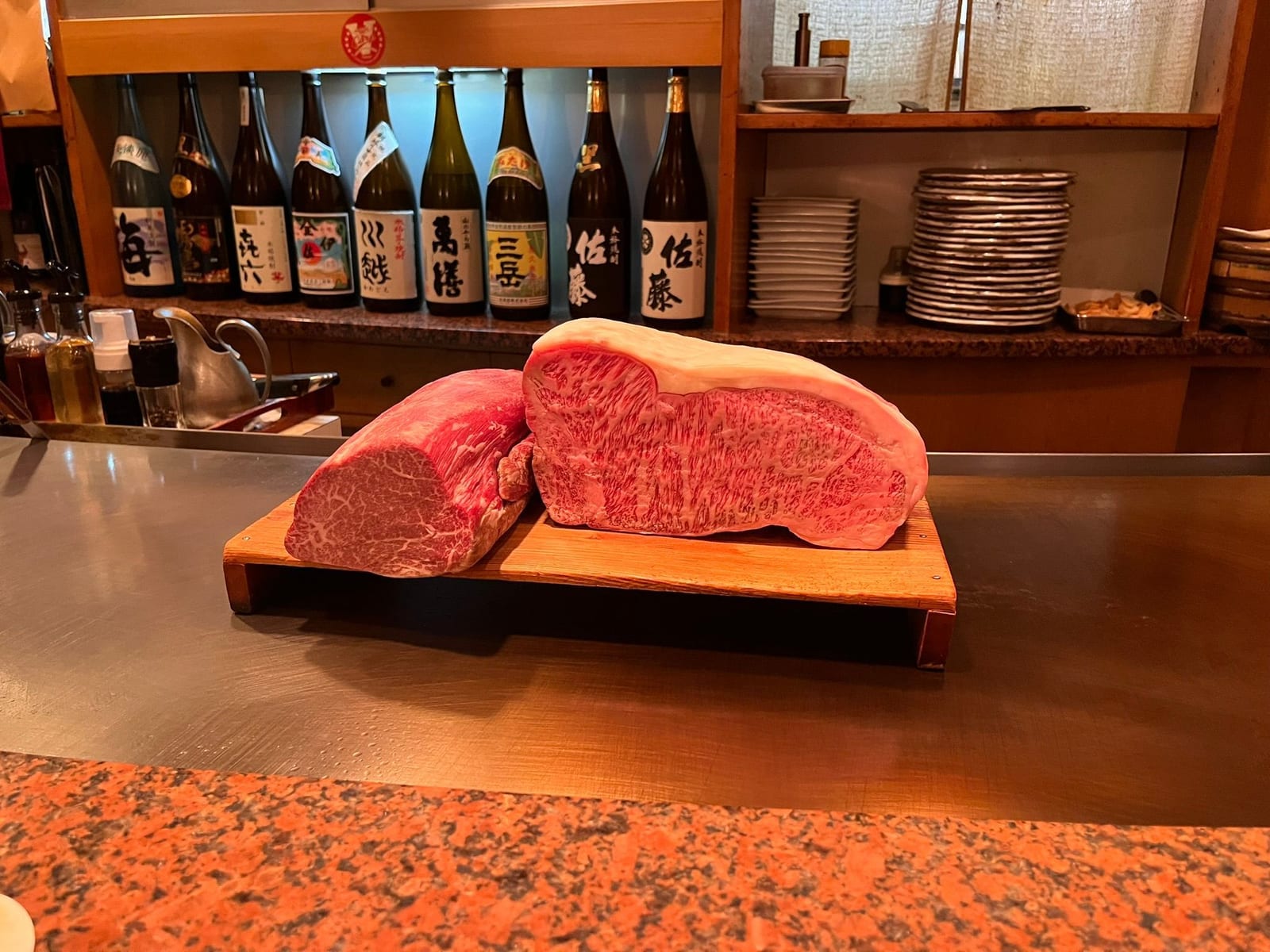
After the museum we went back to the hotel to rest, and then out for dinner. We were in Japan, so we wanted good wagyu, and we had booked a restaurant that specialises in it: Momonoki Wagyu. You can sit at the counter or at a table. They offer several set menus and we took one with a number of courses, including a dish of A5 sirloin. We paid around 14,000 yen per person including everything. The food was very good and the service was excellent, and that was a fine way to end our first day in Hiroshima.
Day 9: Miyajima
We took the train from Shin-Hakushima Station in Hiroshima to Miyajimaguchi Station. It is the direct Sanyo Line service and takes around 30 minutes. From Miyajimaguchi it is a five-minute walk to the ferry terminal, straight there and signposted the whole way. Several companies run the crossing, and if you have a JR Pass you can take the JR ferry at no extra cost. We did not have one, so we took whichever had the shorter queue at the ticket desk. They are all much the same. The crossing is about 10 minutes and it is a lovely ride, with views out over the islands and back to the mainland.
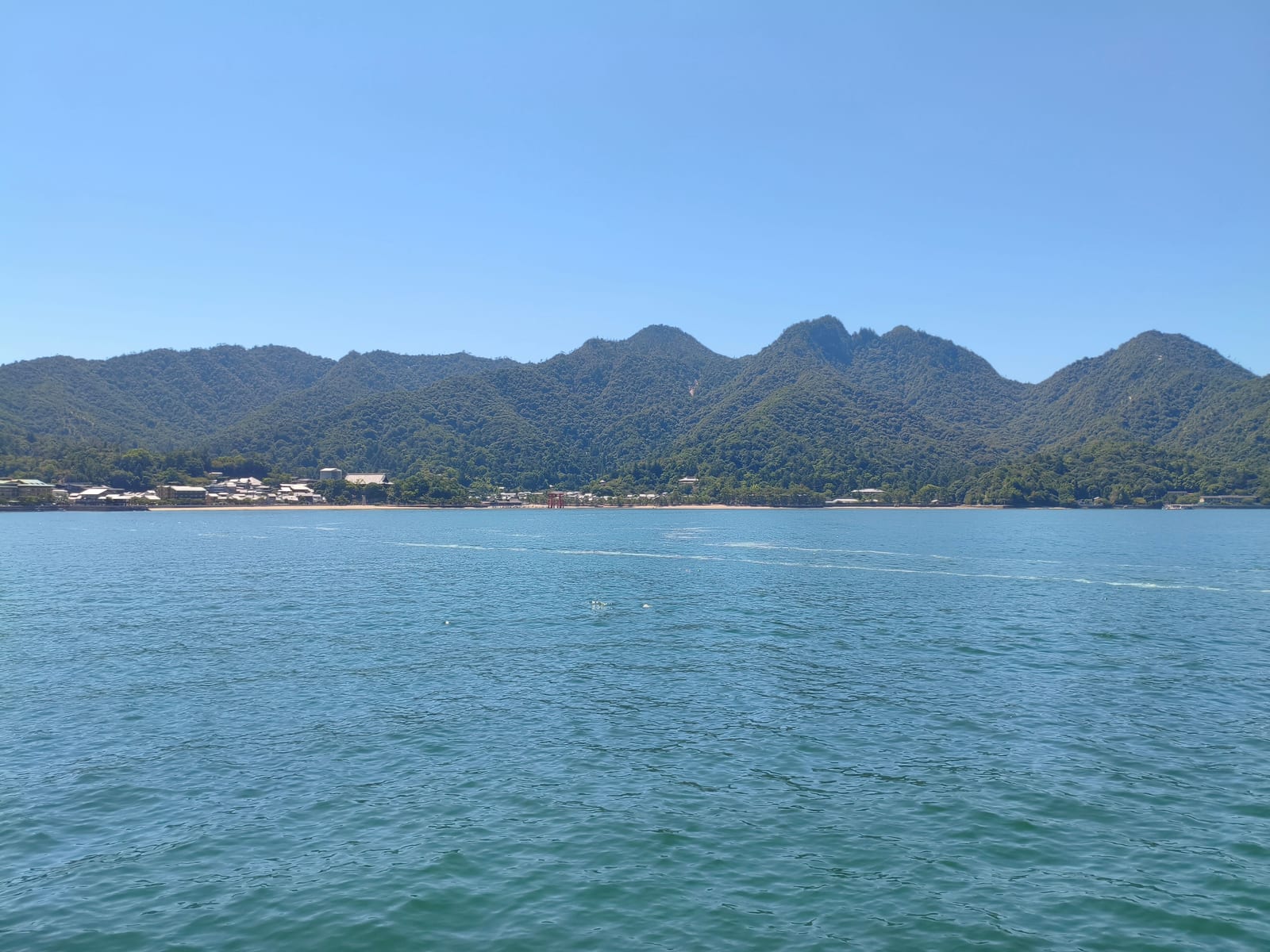
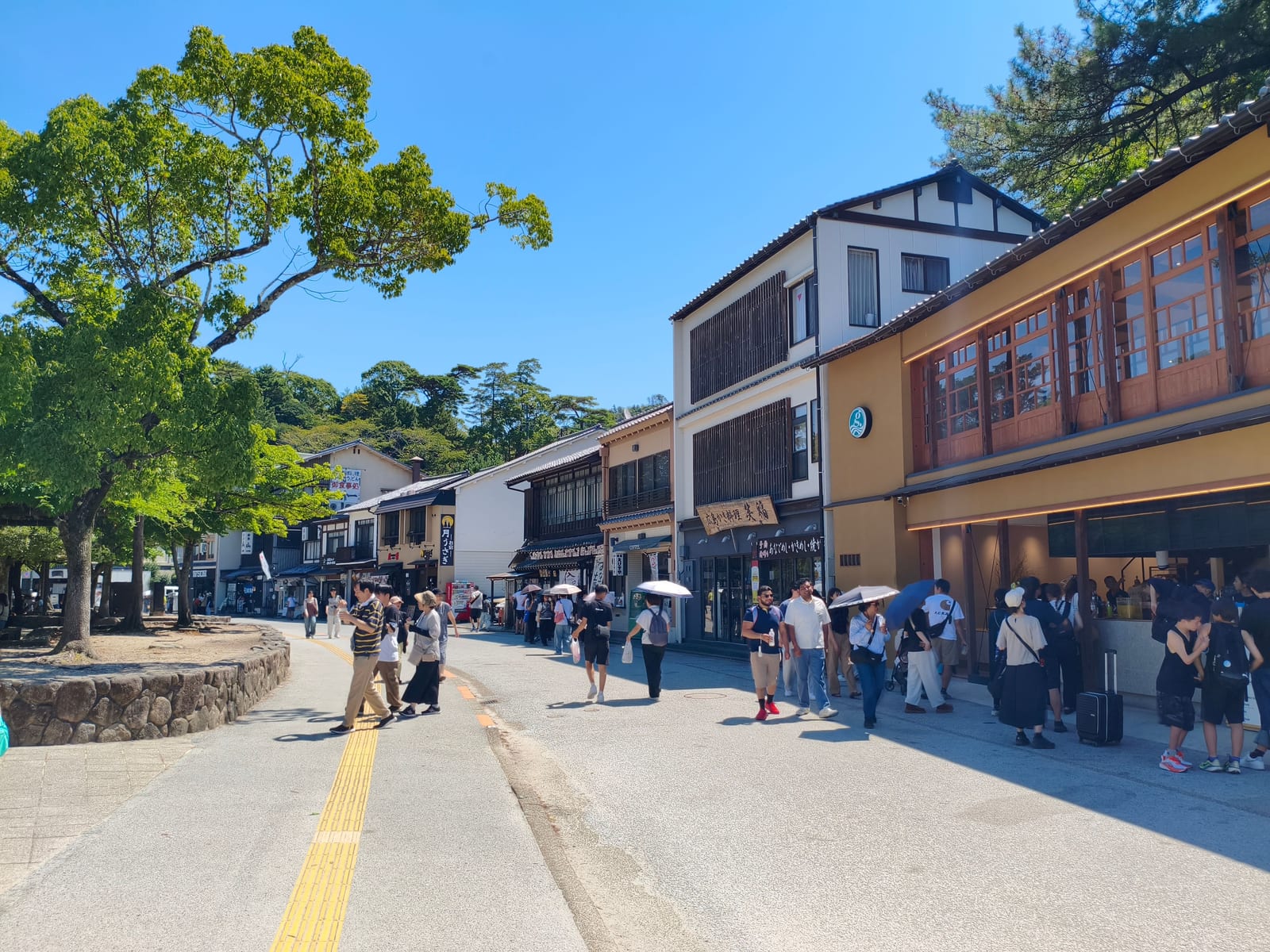
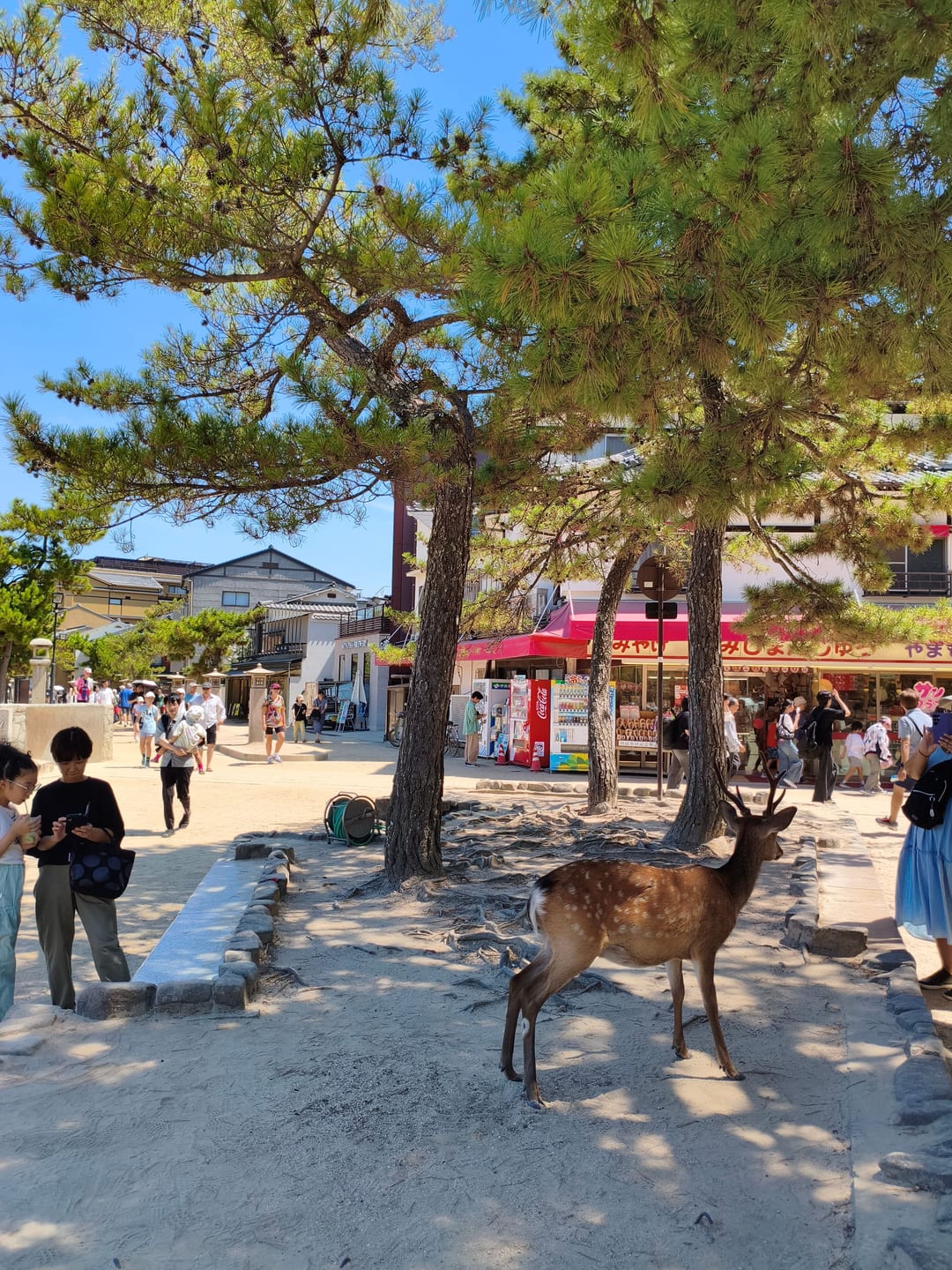
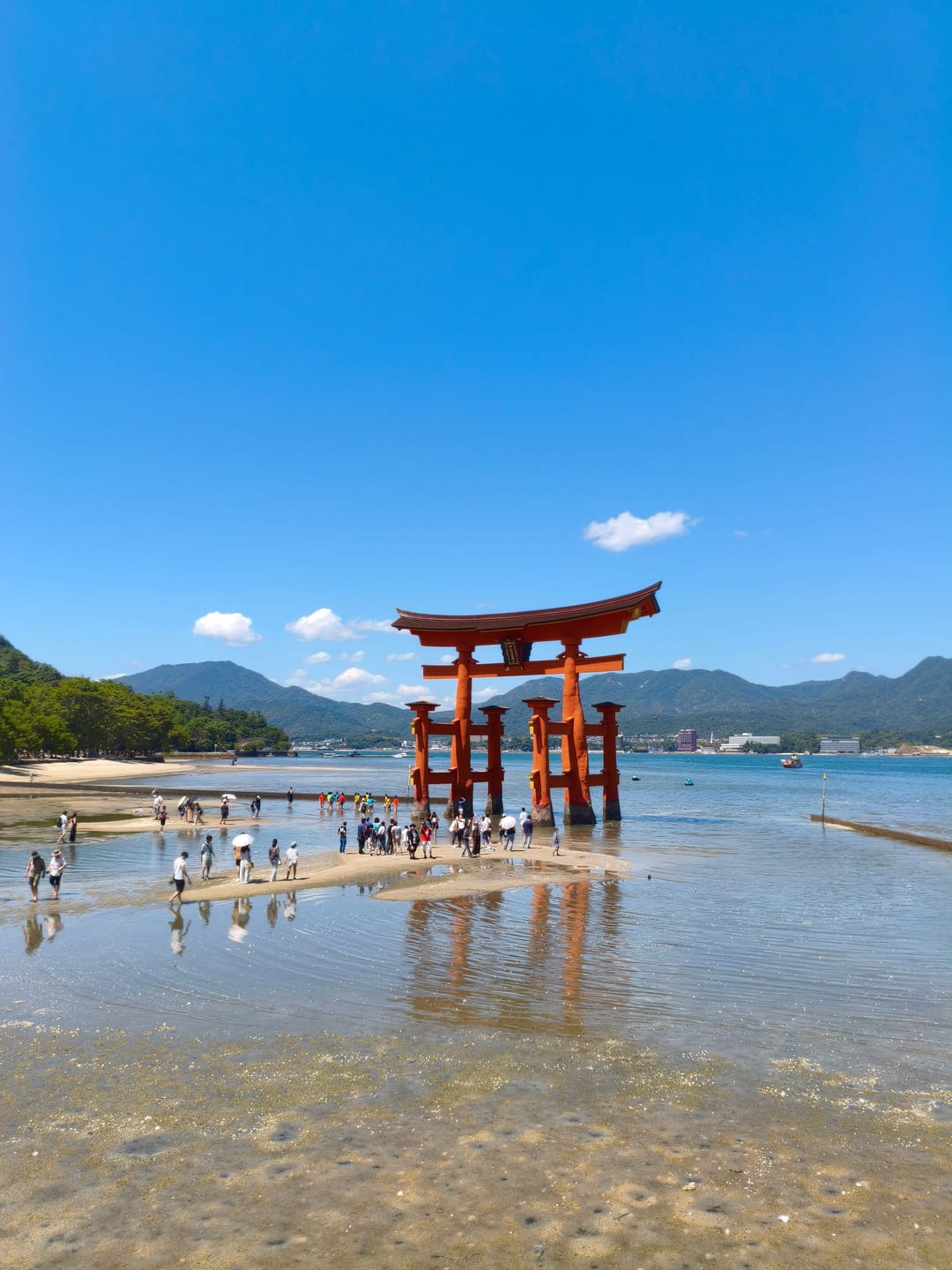
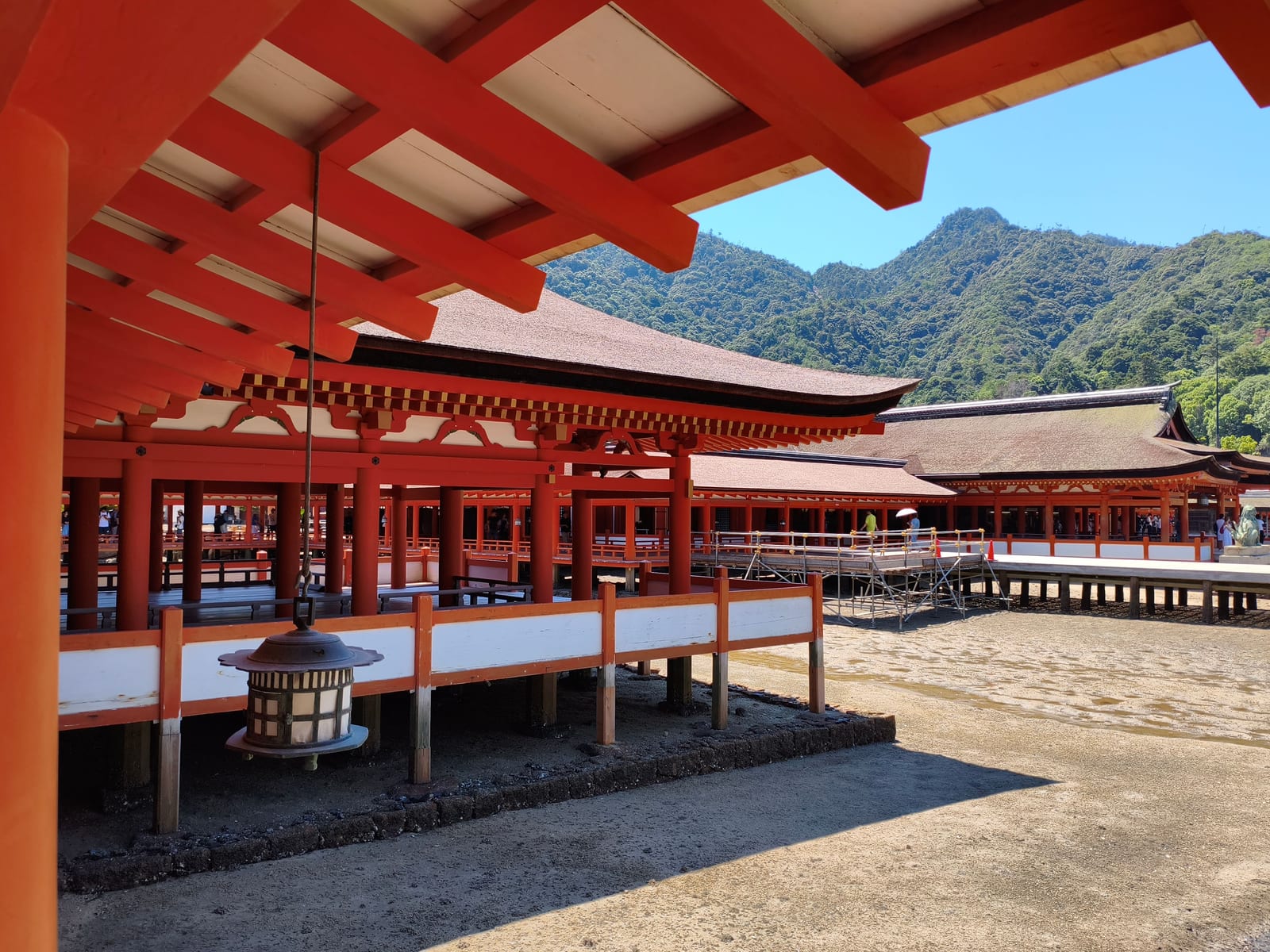
When you land on Miyajima it is a short walk to the right, through the shopping street with its shops and restaurants, to the floating torii gate, the Otorii, which belongs to Itsukushima Shrine. Depending on the day and the time, the gate is either standing in the water or on dry sand close enough to walk up to, and that is entirely down to the tide. It is a popular spot, so expect crowds. A couple of minutes further on is the shrine itself, which you can go into for a small fee. We would recommend it. The shrine set against the water and the shore around it is a beautiful combination.
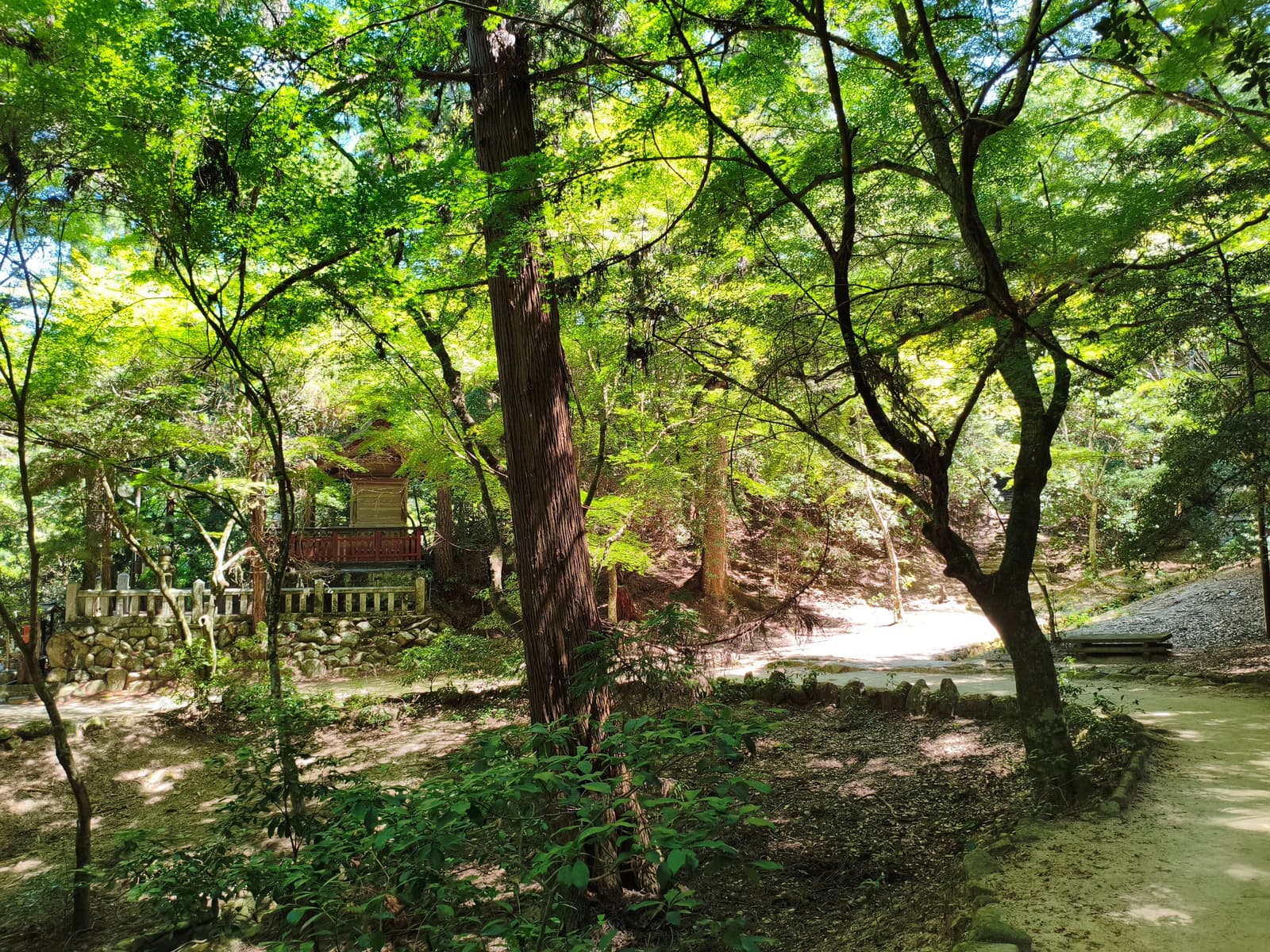
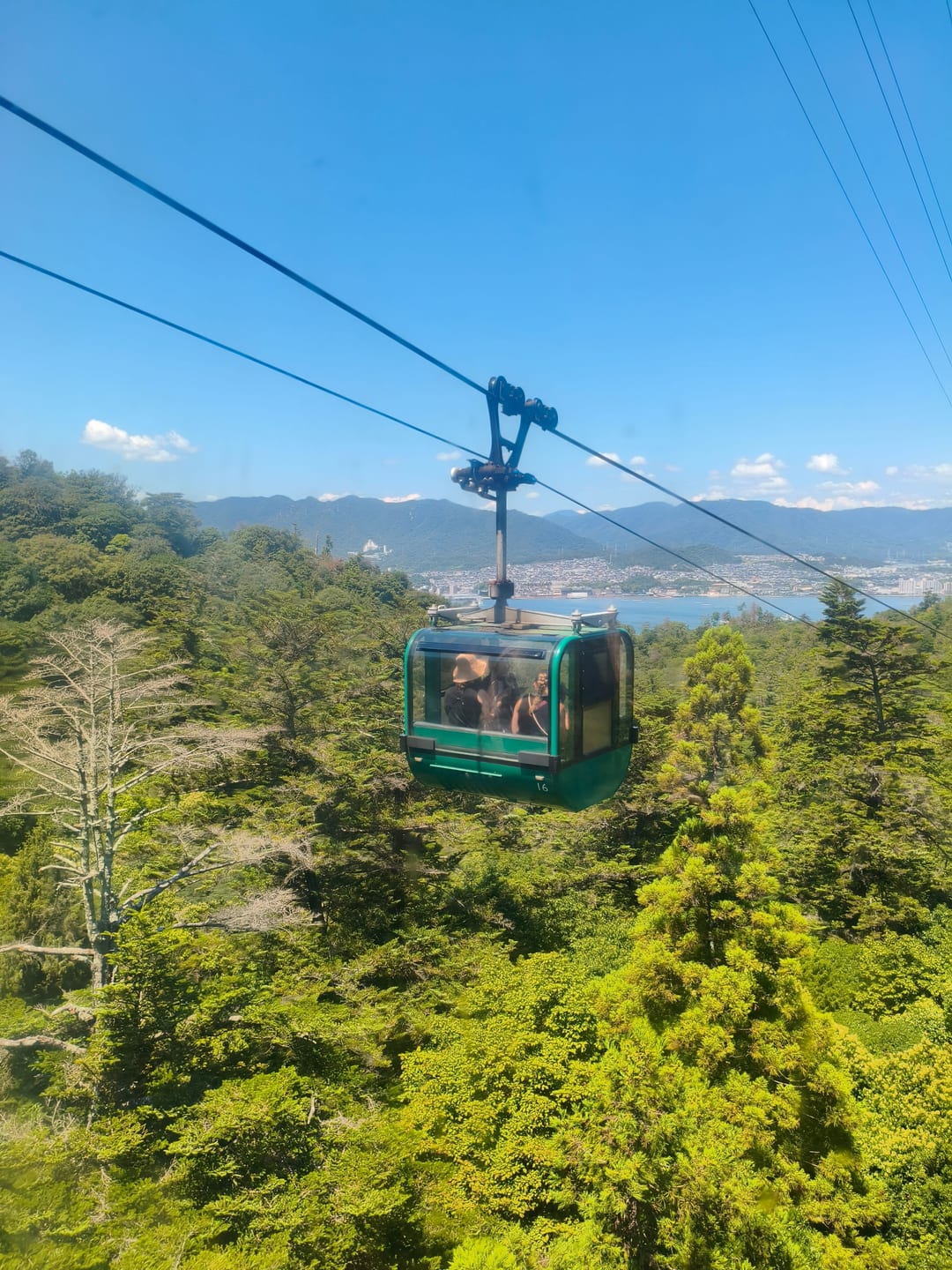
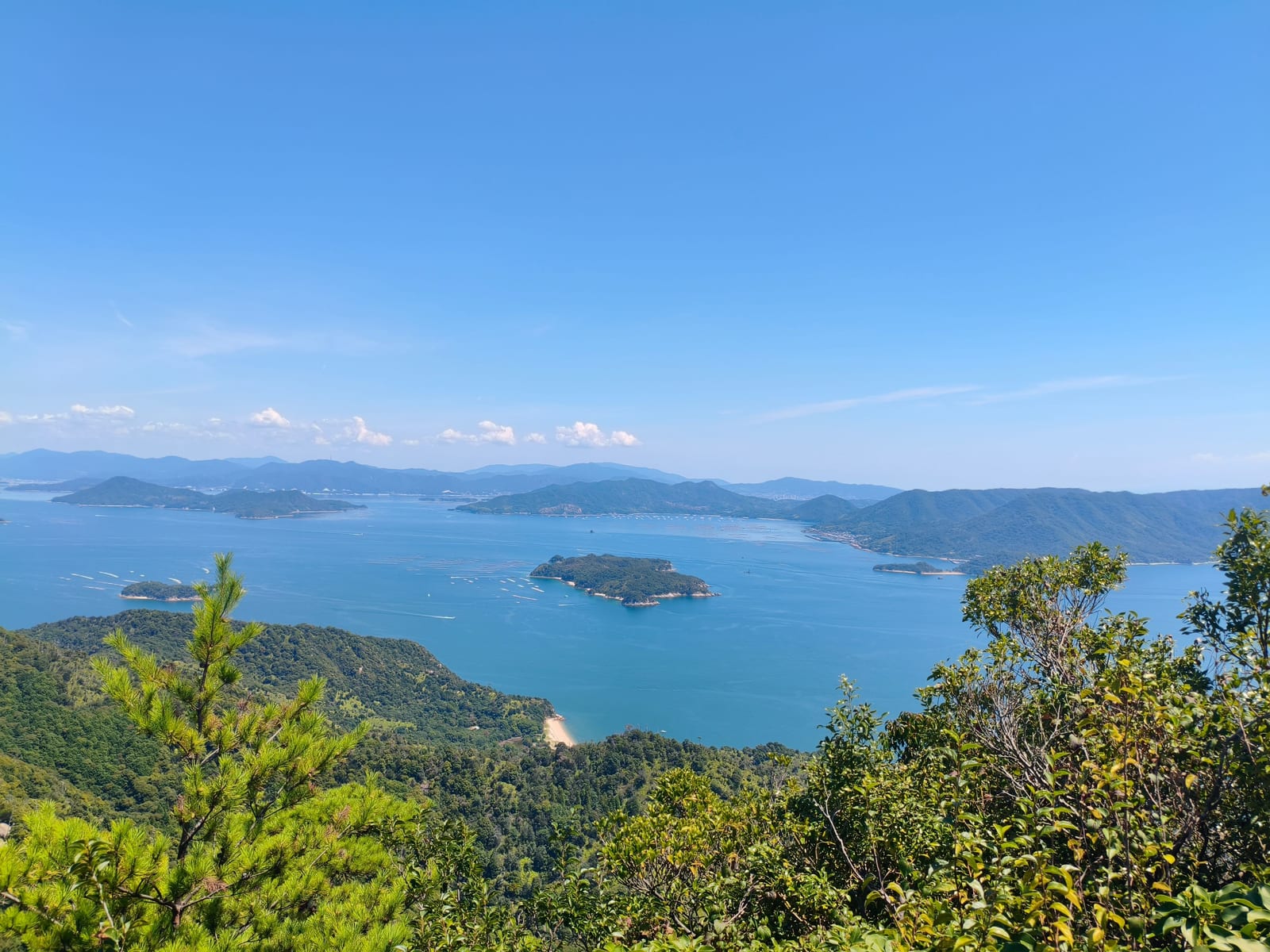
After that we headed for the Miyajima Ropeway, which is a 15 to 20 minute walk from the shrine. The route to the base station climbs, and there are a good few steps, so it will not suit everyone. I think there is a free shuttle bus that gets you there as well. The station is likely to be busy when you get there. The ride is in two stages and you change from one cable car to the other partway, which is straightforward and well signed. The first stage moves quicker than the second. It is a good ride with fine views, and there is some swaying, but reaching the top is worth it. At the top, right by the upper station, there is the Shishiiwa Observatory, where the views are already remarkable. To get to the actual summit, and to the shrines and other spots up there, you carry on hiking, and it is all signposted. One thing worth planning: go as early in the day as you can. Most people do the ropeway last, after the shrines, so it fills up as the day goes on and queues build for the cable car, particularly coming back down.
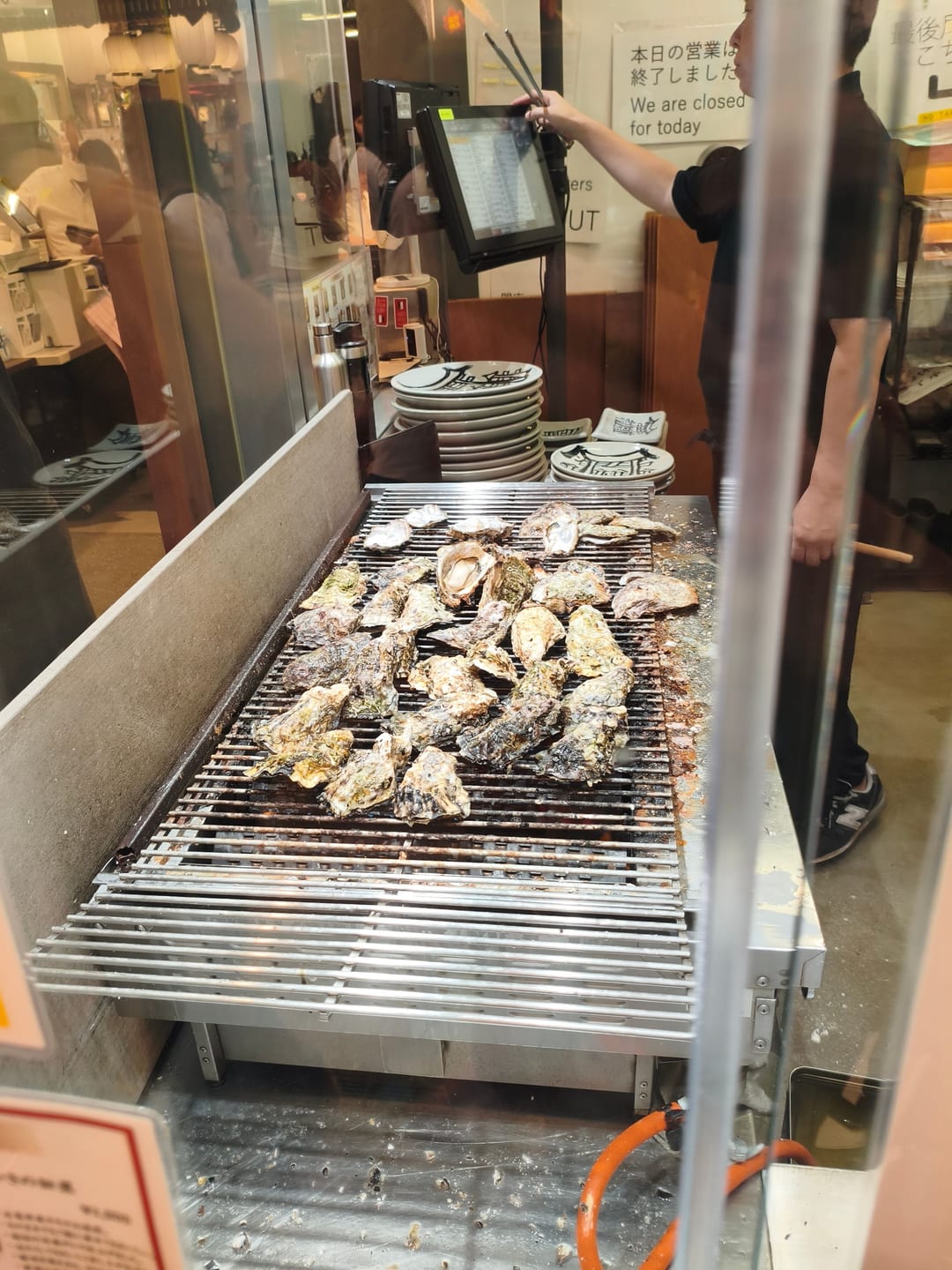
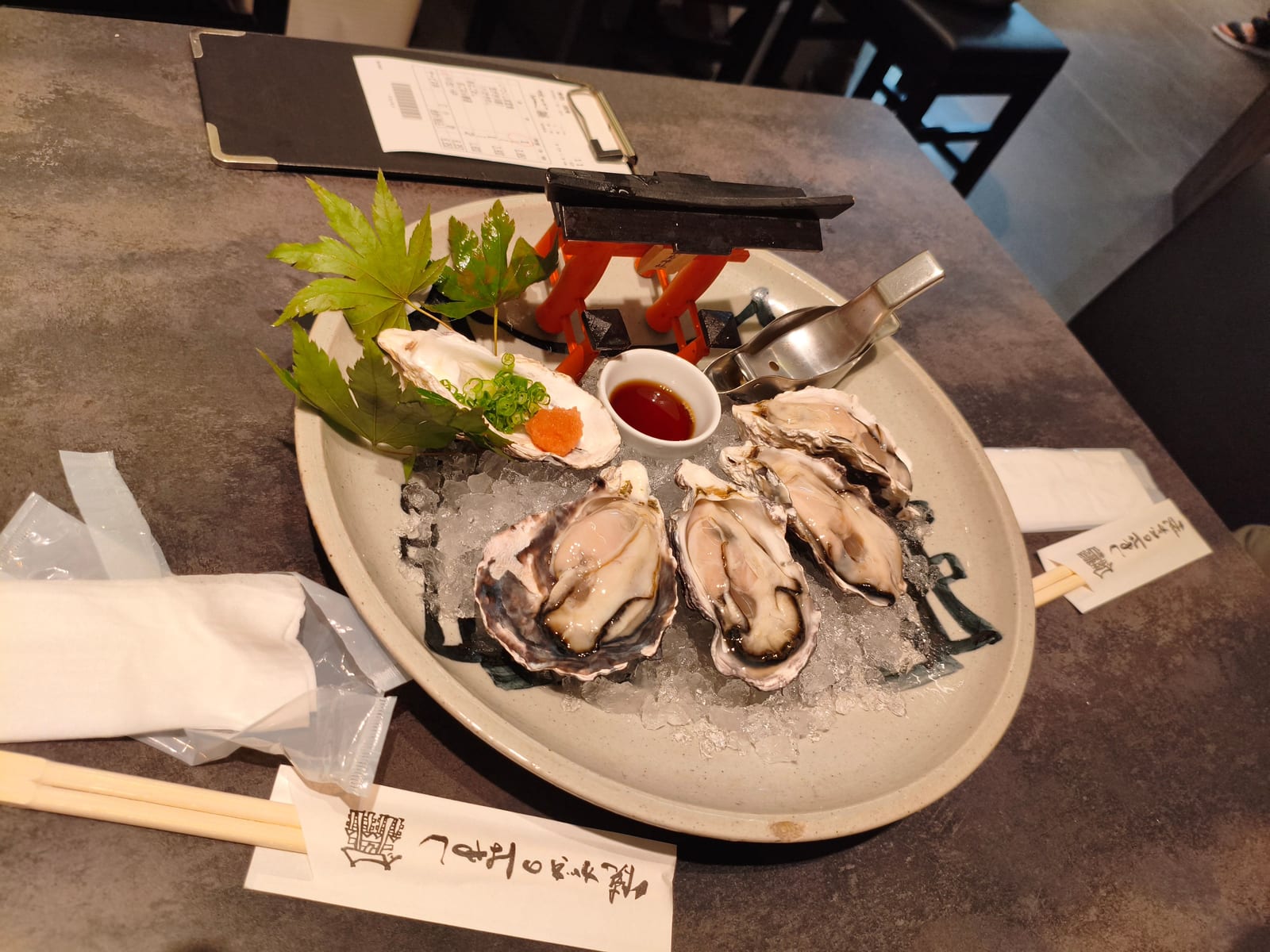
We had lunch at a local restaurant, because we wanted oysters, which are the speciality here. We tried them raw and grilled, at a place that specialises in them called Yakigaki no Hayashi. They also do eel and other things if you do not like oysters. The food was really good. There is a bit of a queue to get in, but it goes by quickly.
Then we went back to the hotel to rest a bit before dinner.
Where we stayed
In Hiroshima we stayed at the Hilton Hiroshima, a modern hotel in the city centre. It is about a 20-minute walk from the Peace Park and five or six minutes by taxi from the station. The facilities are very good, with a nice pool area in the building and several restaurants, and the breakfast is a buffet with a wide range of options. The staff were extremely helpful and attentive. We booked a Premium Room with a king bed, on the 24th floor, and it was large and comfortable with remarkable views over the city. We ordered room service one evening and that was very good too, and a real help when you are too tired to go out again. We paid 38,000 yen a night, roughly €213 or US$247, with breakfast included.
What to know before you go
Was two days enough?
We think it was. One day for Hiroshima and one for Miyajima gave us enough time to see the main sights without rushing either of them. The one thing we did not do, and would have liked to, is spend a night on Miyajima, which needs a third day. Once the last ferries have gone the island empties out, and having it almost to yourself must be something. We will seriously consider it next time.
Hiroshima as a day trip from Kyoto or Osaka?
It is possible if your schedule is tight, since the trains are quick and reliable: Kyoto to Hiroshima is 1 hour 40 minutes on the Shinkansen. But we would still say stay the night. It gives you time to take the city in properly, and it gives you Miyajima, which is worth the trip on its own and unlike anywhere else we went in Japan.
Planning your own version? Browse the itinerary library, or build a day-by-day plan and change the stops.
← Back to the full Japan route