Japan · Kanazawa
Kanazawa, Shirakawa-go and Takayama: the detour worth making
Three days off the Tokyo–Kyoto–Osaka line, in the part of Japan most first trips never reach. The garden, the valley, and a night in a ryokan I would have made two.
Why we went at all
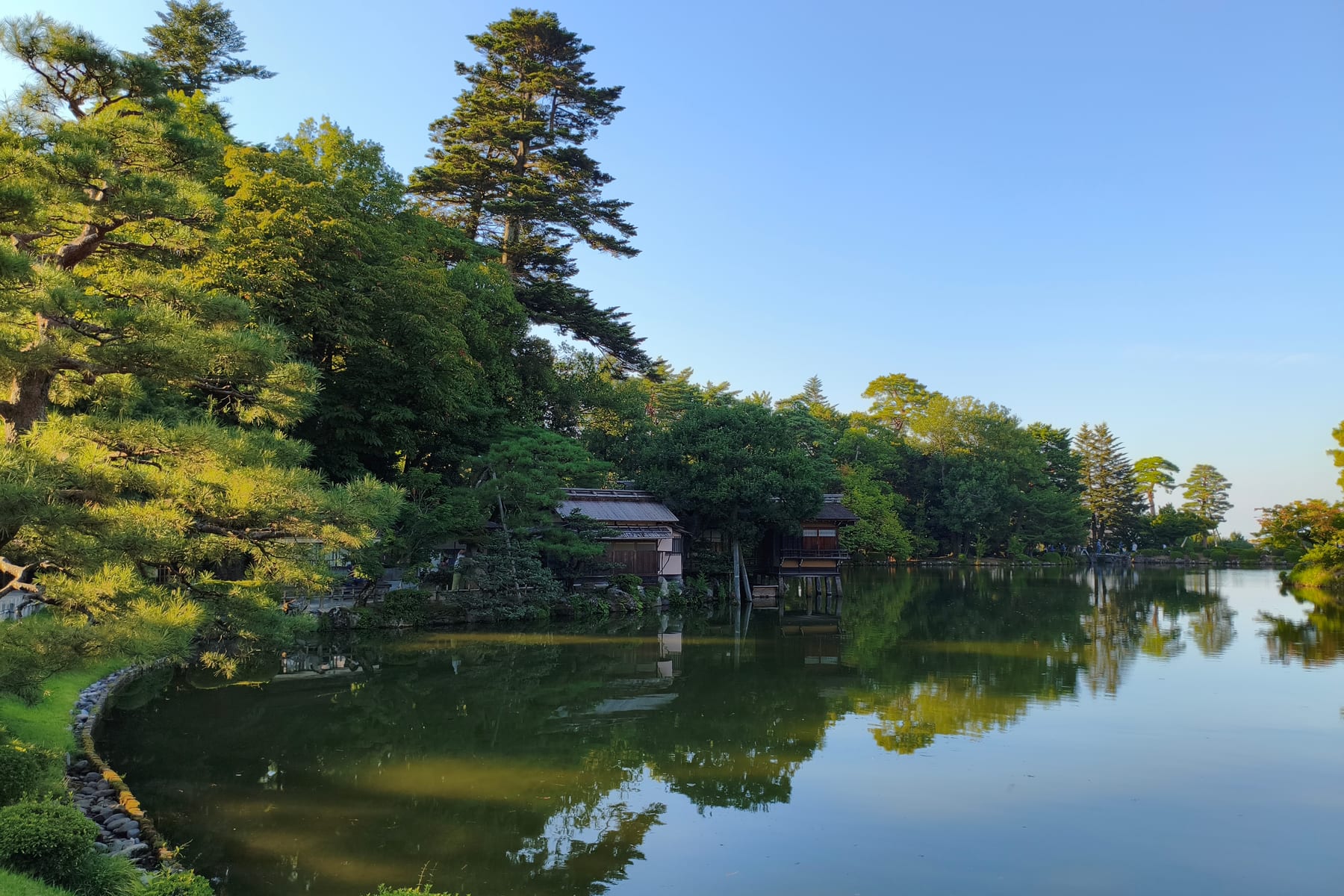
Kanazawa is a coastal city in the Hokuriku region, on the Sea of Japan side of the country, the opposite coast from Tokyo and Kyoto. It is known for its well-preserved Edo-period districts, for very good fresh seafood and for its local crafts, and it is within reach of Shirakawa-go and Takayama, up in the mountains of the Japanese Alps.
We went because people who have been to Japan many times kept recommending it to us, and they were right. It combines traditional Japanese culture, natural beauty and excellent food, and it is far less crowded than the better-known stops, which makes it feel less like a tourist circuit. It also pairs very well with the Alps.
What we did day by day
Day 10: Kanazawa
We took the Shinkansen from Hiroshima Station to Kyoto Station, which took about 1 hour 40 minutes. At Kyoto we changed to the Thunderbird limited express to Tsuruga, about 50 minutes. Give yourself at least 15 to 20 minutes for that connection: Kyoto Station is large, and if you are not used to it a buffer takes the stress out of it. At Tsuruga we changed again, onto the Hokuriku Shinkansen to Kanazawa, which took about 40 minutes. It sounds like a lot of travelling, but the trains in Japan are so punctual and comfortable that it passes easily. Take a book and the time flies. One important thing to know about booking: for the Shinkansen between Tokyo, Kyoto, Osaka and Hiroshima you use smart-EX, but for the route north to Kanazawa you book through JR West instead.
We reached Kanazawa around midday and dropped our bags at the hotel, the Hotel Nikko Kanazawa. There is more about it in the Where we stayed section. Then we went straight to Omicho Market for lunch. We ate our way round several stalls, trying different local specialities, and all of it was delicious.
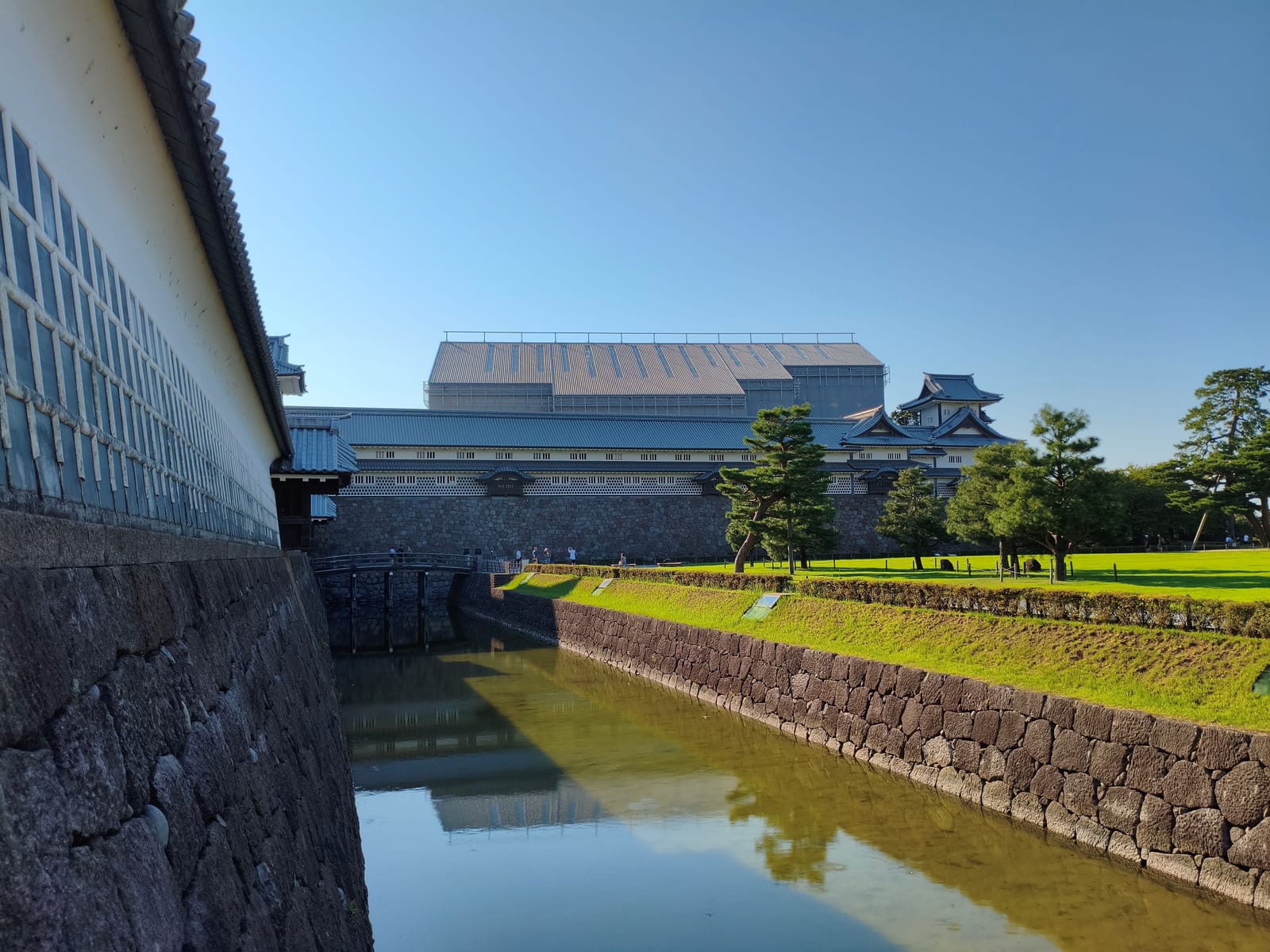
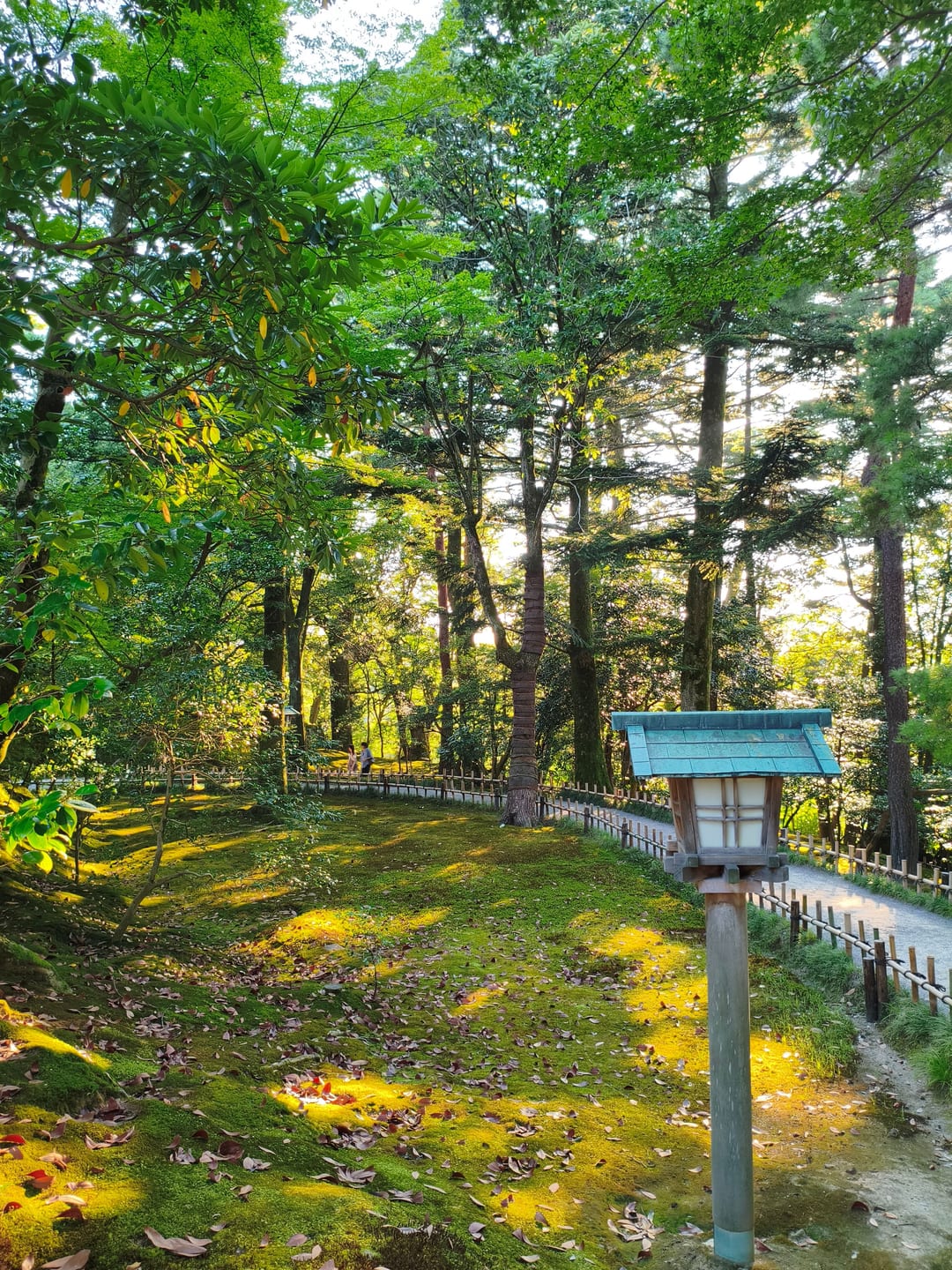
After lunch we went to Kanazawa Castle. It was a little after 4pm by then, and I would recommend going earlier: there are guided tours during the day, and by the time we arrived there were none. The castle and its grounds are lovely, though, and very pleasant to walk around because there are so few people. You almost have it to yourself. We did not go inside because of the time, but you can if you arrive before 4pm. From there it is a short walk to Kenrokuen Garden, which costs 320 yen for adults and is genuinely beautiful. It has several distinct areas, including ponds, a plum grove and the famous Neagari-no-Matsu, the raised-root pine. A lovely end to the afternoon.
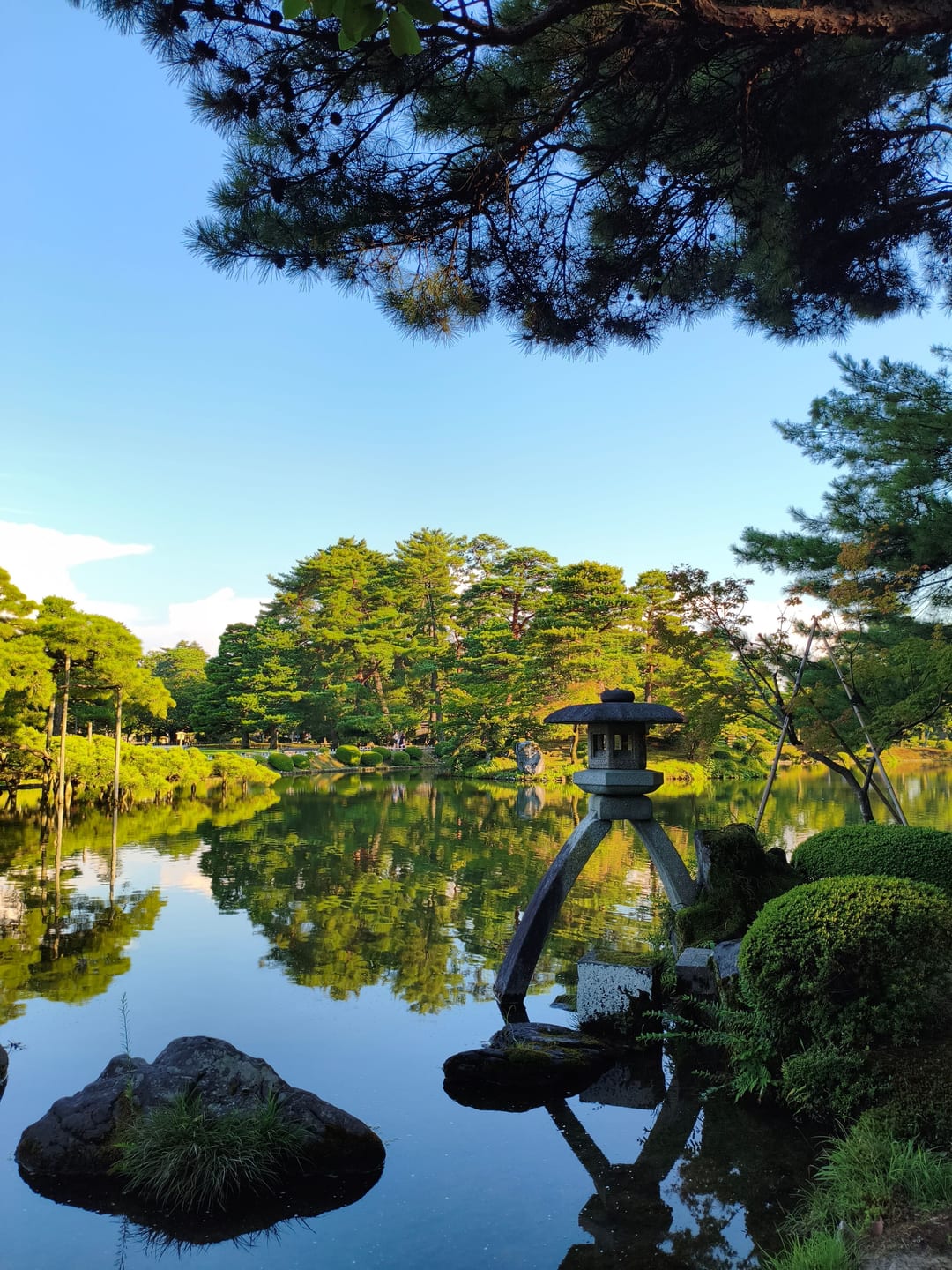
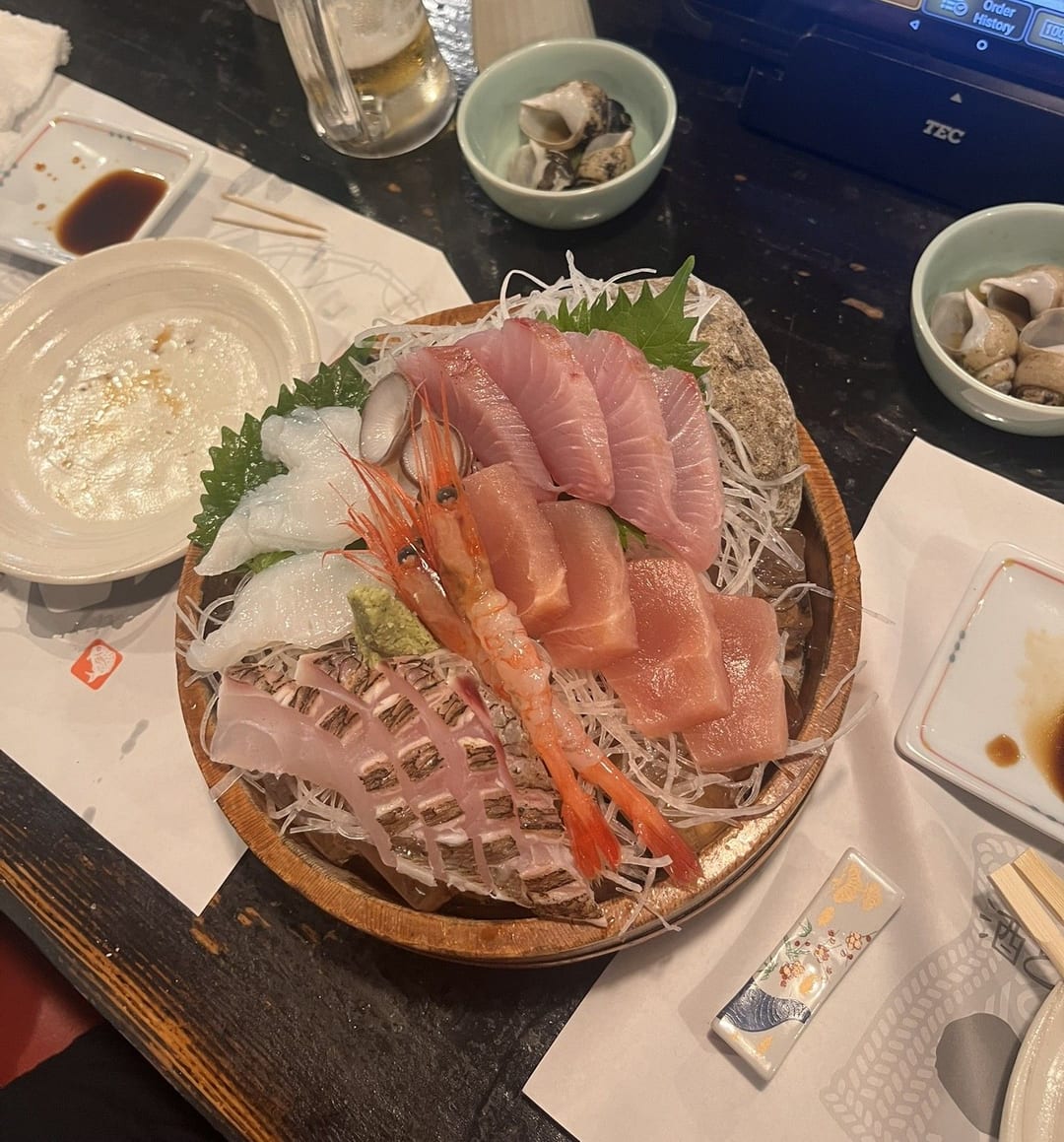
For dinner we had booked Itaru, the sister restaurant of the well-known Itaru Honten, one of the most popular izakaya in Kanazawa. We had sashimi, tempura, small fried shrimp and nodoguro, the local speciality, which we highly recommend, among other dishes. It came to around 9,000 yen for the two of us, roughly €50 or US$60. Then we headed back to the hotel.
Day 11: Shirakawa-go and Takayama
This was our day in the Japanese Alps. We took the bus to Shirakawa-go from the west entrance of Kanazawa Station, which takes about an hour and twenty minutes. We booked it in advance, and I would recommend you do the same, because the buses fill up quickly. You can book on the official site, Japan Bus Online.
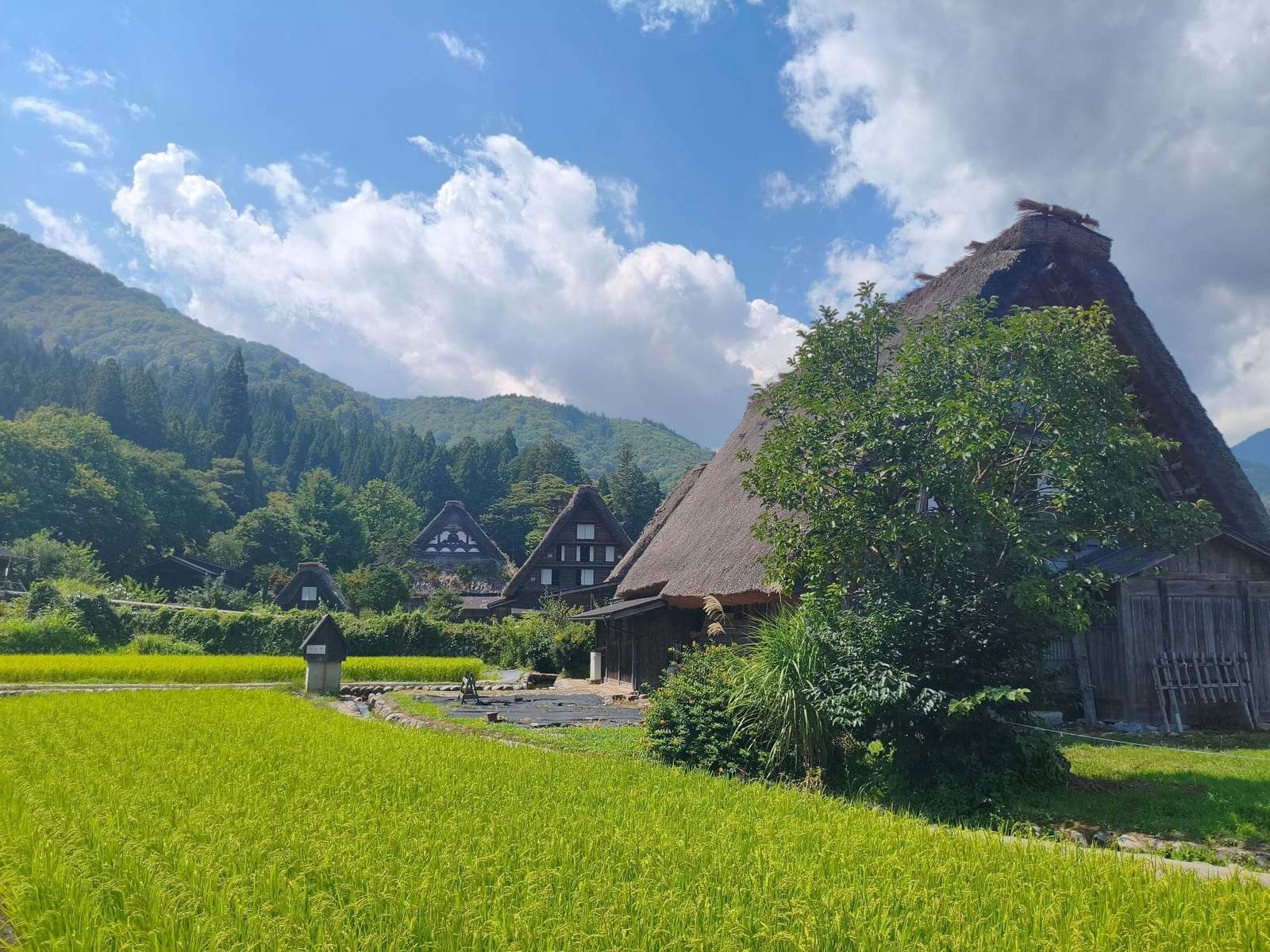
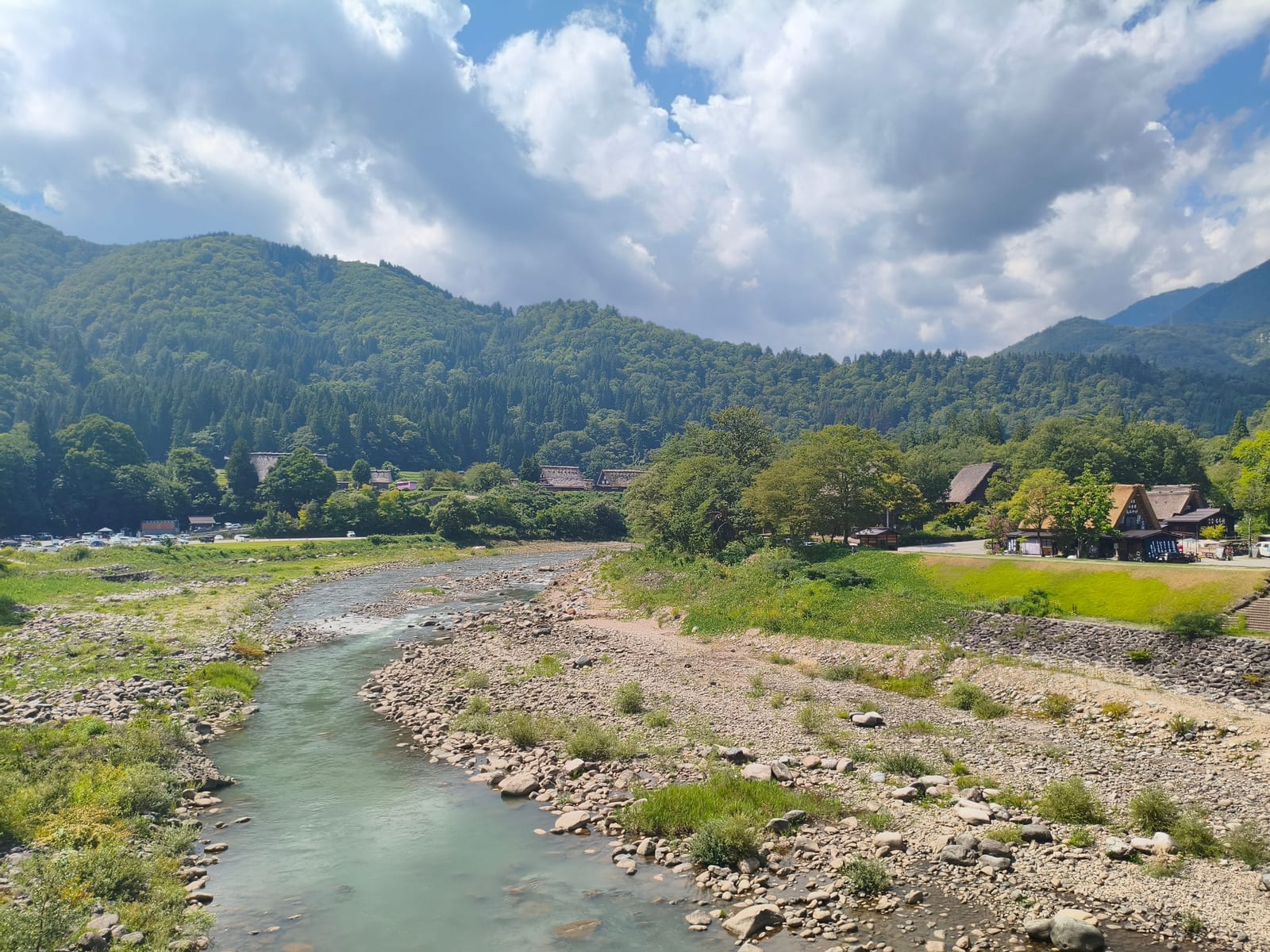
The moment you step off the bus you can feel that Shirakawa-go is somewhere special. The setting is extraordinary, with mountains all around and rice fields running right through the village, and it is genuinely beautiful. The village is a UNESCO World Heritage site, known for its gassho-zukuri farmhouses with their steep thatched roofs. You can go inside the Wada House, a well-preserved example of one, or simply walk around and take in the scenery. A shuttle runs up to the Shiroyama viewpoint above the village, where the views are superb.
We wanted to slow down and enjoy it, so we stopped at a small coffee shop that makes its coffee the old way. They have all kinds of beans and very good pastries, and it is run by a lovely elderly couple. It is called Coffee Shop Hina.
From there we took the bus on to Takayama. You catch it at the same stop where you were dropped off in Shirakawa-go, and the journey takes about 50 minutes. Takayama is a city in the mountains of the Hida region. The first thing we did was go for lunch, at a soba restaurant that makes its own noodles, called Sumikyu. We spent the afternoon exploring the old town, which is known for its well-preserved Edo-period streets and traditional wooden houses, and visited the Takayama Jinya. It was the local government office under the shogunate, and it is the only one from the Edo period still standing anywhere in Japan. Then we took the bus back to Kanazawa for dinner.
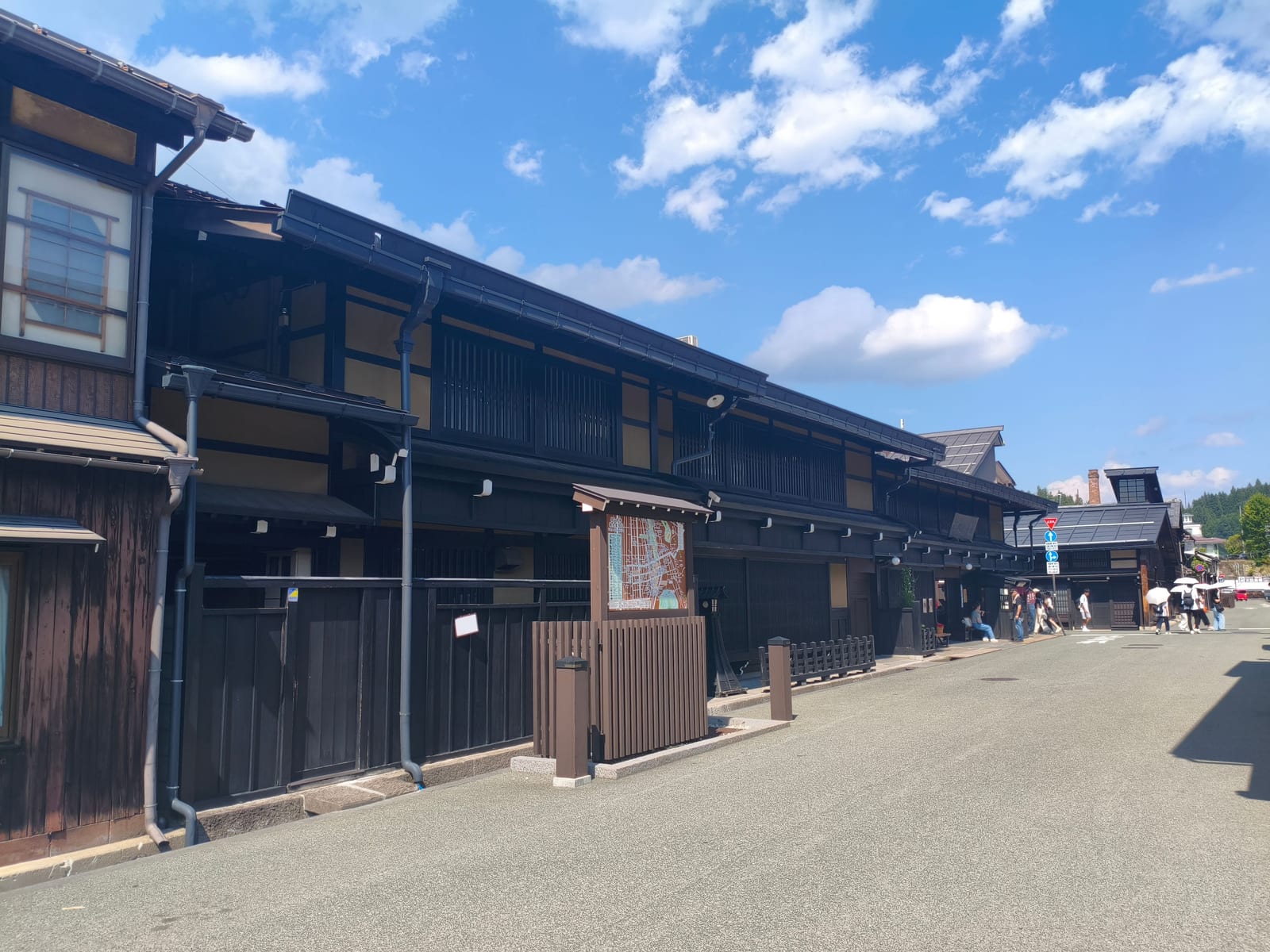
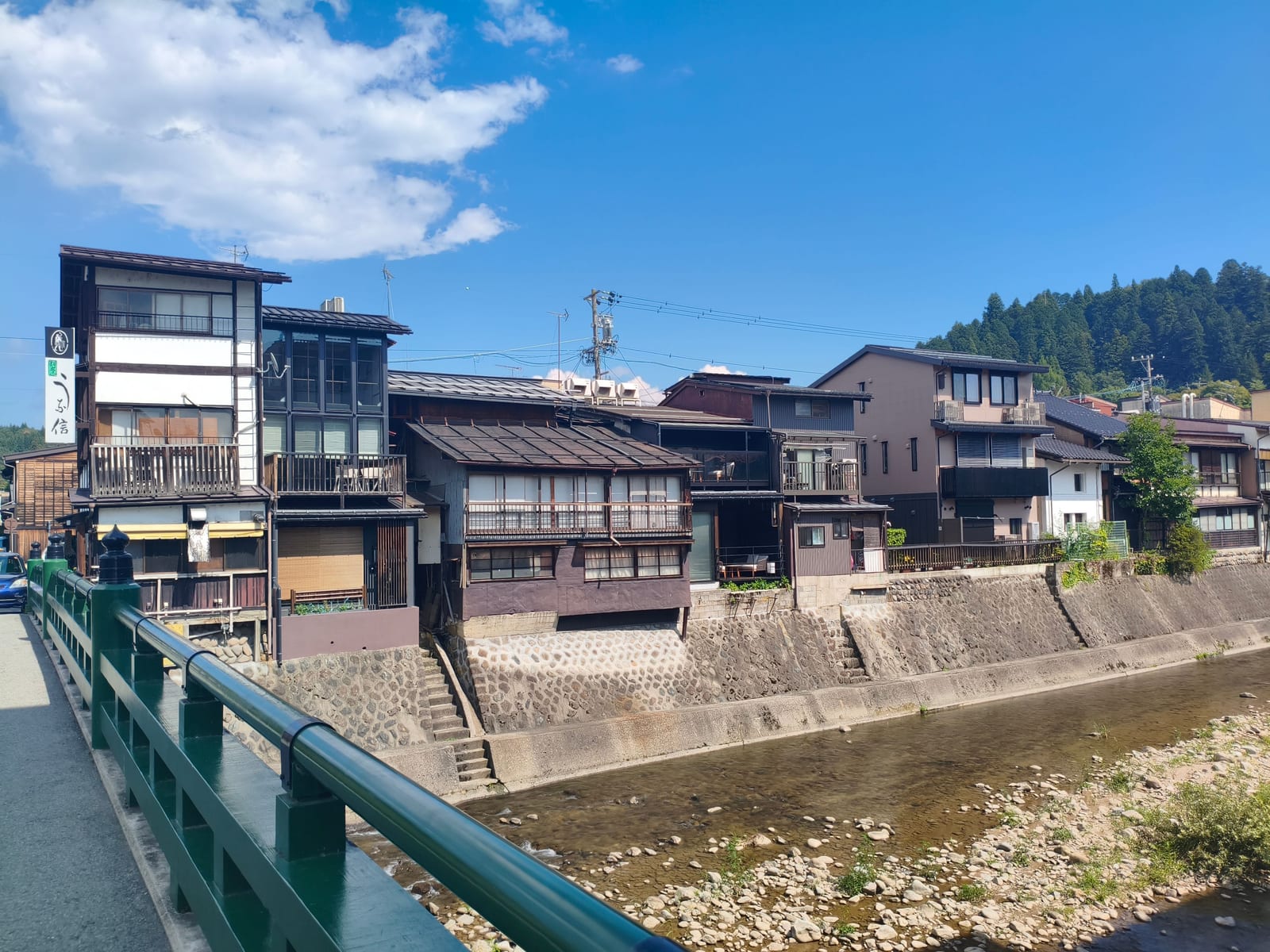
The buses came to 5,600 yen from Kanazawa to Shirakawa-go, another 5,600 from Shirakawa-go to Takayama, and 8,400 from Takayama back to Kanazawa, all for the two of us. That is 19,600 yen in total, or 9,800 each, roughly €55 or US$65 per adult. The buses are comfortable and the seats are reserved.
Day 12: The ryokan
We spent the morning around Kanazawa city centre, had a quick lunch, and headed to the ryokan at 3pm. It is called Takitei, and it sits on the outskirts of Kanazawa, about 20 minutes from the centre. It is known for its quiet, scenic setting: it is close to the Sai River, and it has its own onsen, with indoor baths and an outdoor one looking onto a beautiful waterfall. The main hall and the rest of the facilities are excellent too.
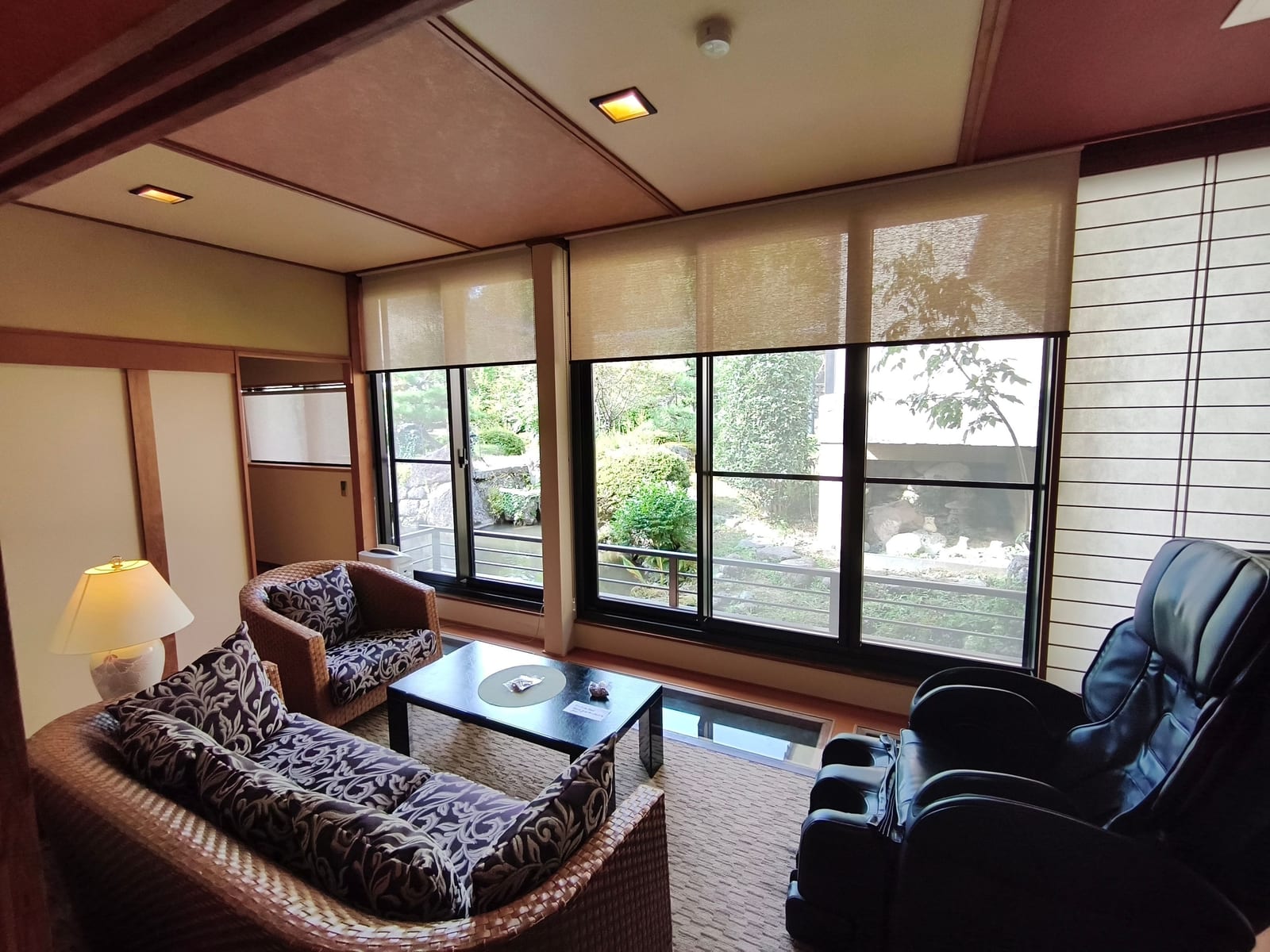
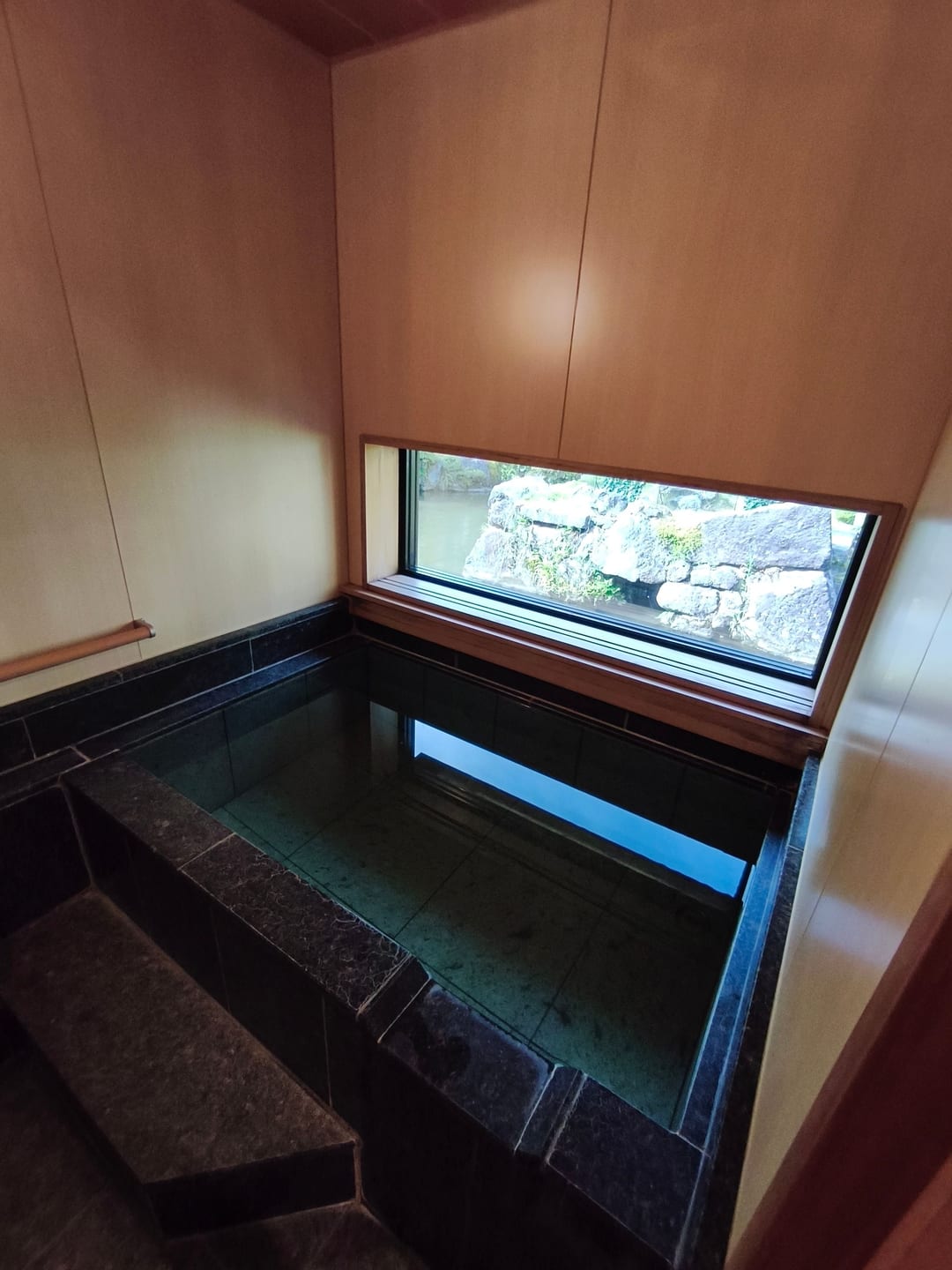
It is a high-end ryokan with outstanding service. The rooms are spacious and beautifully fitted out, and some even have a private onsen of their own, plus a small sitting room next to the sleeping room stocked with sake, beer and wine, all free to help yourself to. Our room also had a massage chair. The building is arranged as a large square around a central Japanese garden with a carp pond, and our room had a glass panel set into the floor so you could watch the carp swimming underneath, as well as a glass door onto the pond where you could throw food in for them.
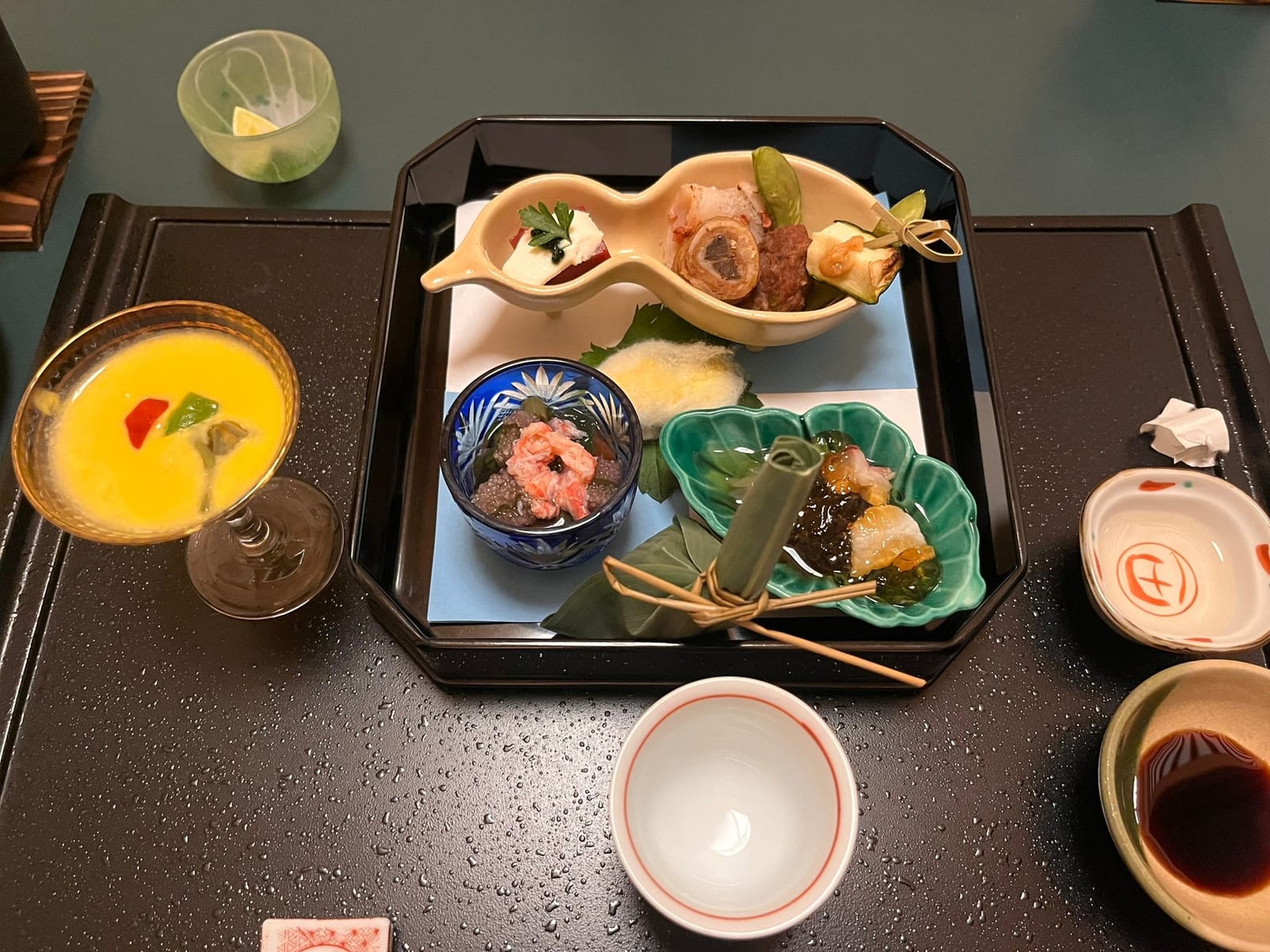
We booked the Japanese-style room with a seasonal kaiseki dinner and Japanese breakfast, they also have western style rooms. From the moment we arrived the service was extraordinary, attentive without being intrusive. We spent the evening in the onsen, recovering from all the travelling we had done up to that point. Dinner was the kaiseki, and it was superb. The food was exceptional, they explained each dish as it came, and the produce was all local and all excellent.
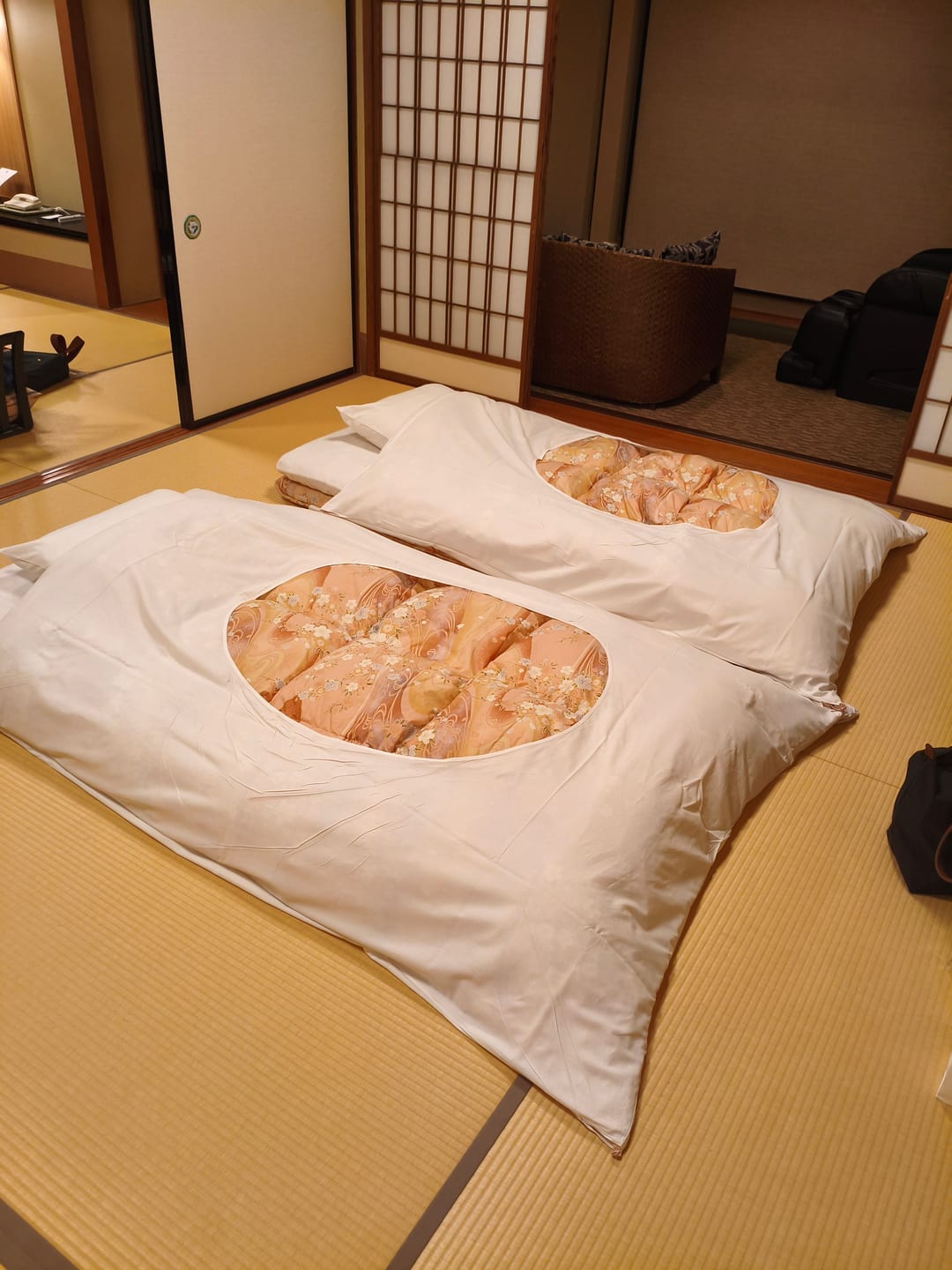
The staff laid out the futons while we were at dinner. I had never slept on a futon before and I slept extremely well. They also have a pillow menu, so you can pick the type you want. The next morning we woke, had one last soak in the onsen, and went for the Japanese breakfast, which was also very good, though there was so much of it that my partner could not finish.
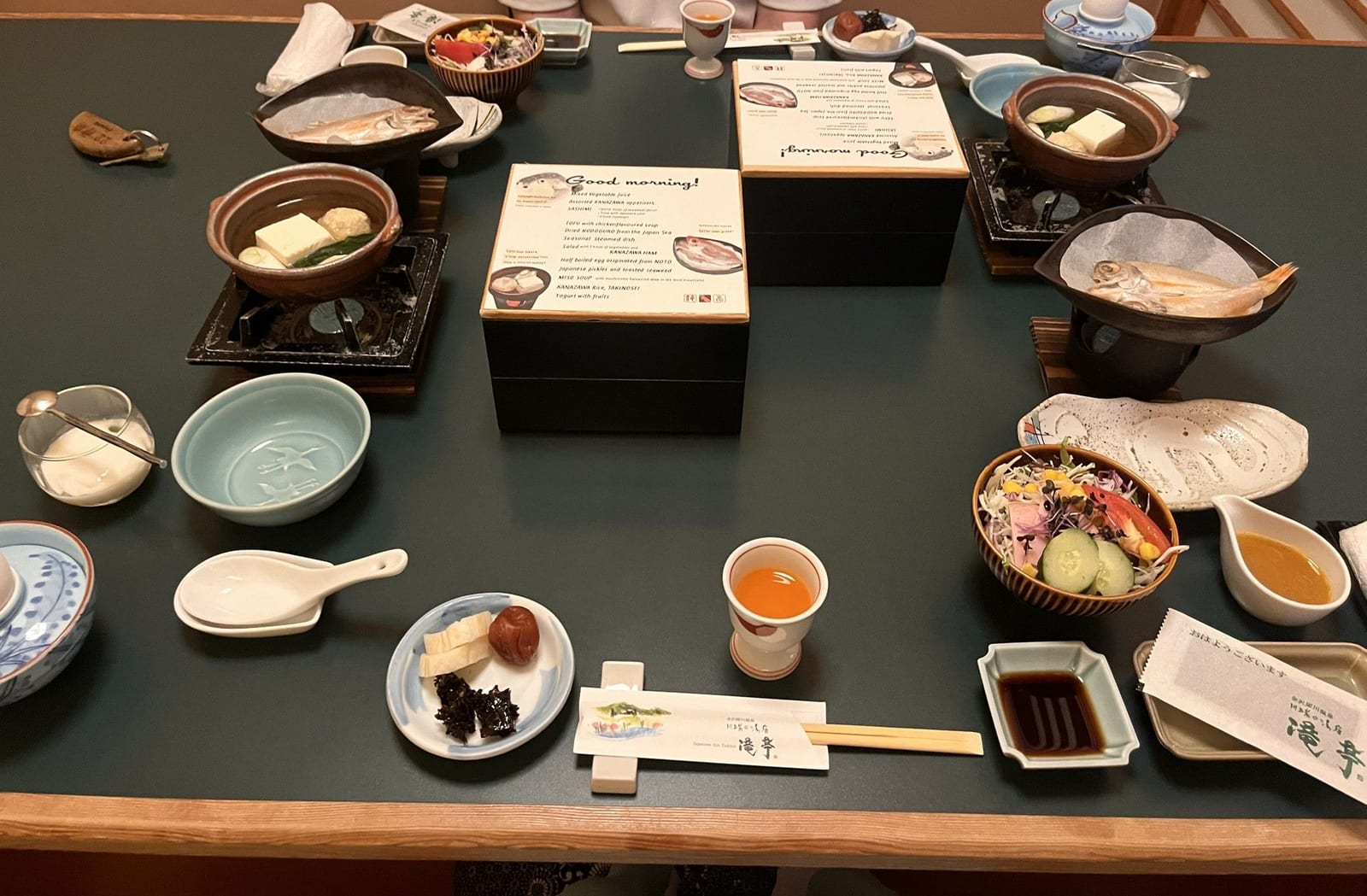
We did not want to leave. I would happily have stayed another night, and I would recommend it to anyone.
Where we stayed
Kanazawa city centre
We stayed at the Hotel Nikko Kanazawa, a four-star hotel right by the main station. That location is central and very handy if you are doing day trips to Shirakawa-go or Takayama, as we were. The facilities are excellent, the main hall is very elegant, and the staff were extremely helpful and attentive. We booked a Comfort Double Room, and it was comfortable and a good size by Japanese standards.
We booked breakfast too, and it was very good, with a wide selection of both Japanese and Western dishes. It came to 20,250 yen a night including breakfast, roughly €114 or US$132.
Planning your own version? Browse the itinerary library, or build a day-by-day plan and change the stops.
← Back to the full Japan route