Japan · August 2026
Two weeks in Japan, and the parts I'd do differently
Seventeen days with my partner, from Tokyo to Hiroshima and back, taking in Kanazawa and Shirakawa-go — the stretch most first-trip routes skip. Here is the route we actually walked, what earned its place, and what I would cut.
The route
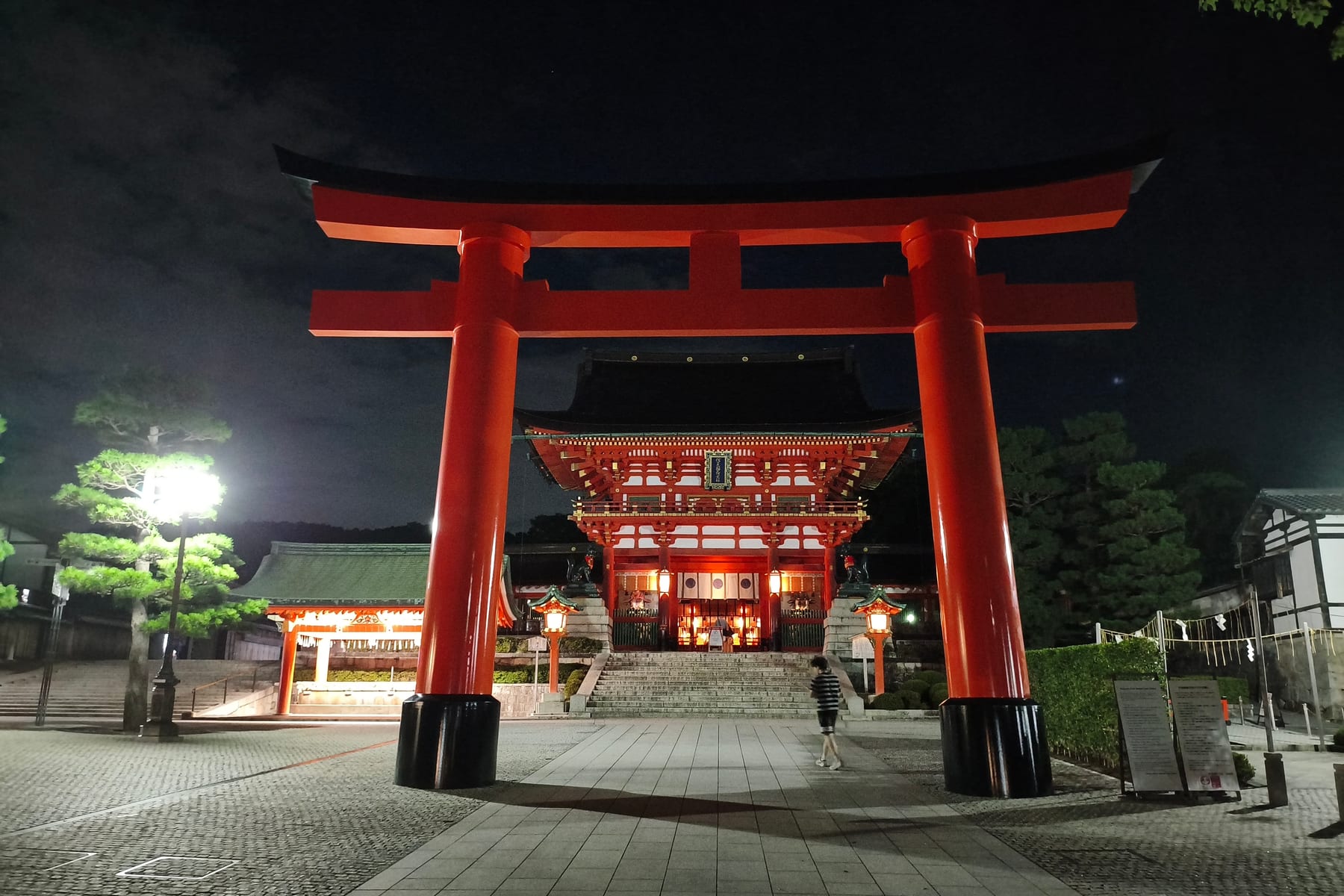
Seventeen days, 15–31 August 2026. Eleven stops, two of which almost nobody puts on a first trip.
| Days | Where | Notes |
|---|---|---|
| 1–2 | Tokyo | Shinjuku, Asakusa, Ginza |
| 3 | Nikko | Day trip from Tokyo |
| 4–5 | Kyoto | Higashiyama, Arashiyama, Fushimi Inari |
| 6 | Nara | Day trip from Kyoto |
| 7 | Osaka | Day trip from Kyoto. Castle and Dotonbori |
| 8 | Hiroshima | Hiroshima Castle and Peace Memorial Park |
| 9 | Miyajima | Day trip from Hiroshima |
| 10, 12 | Kanazawa | Kenrokuen, castle |
| 11 | Shirakawa-go & Takayama | Day trip from Kanazawa |
| 13–15, 17 | Tokyo | Shibuya, Odaiba |
| 16 | Kamakura | Day trip from Tokyo |
We did this order for two reasons.
The first is that it's the order my own travel planner suggested, and I wanted to try it out myself and see whether it actually held up on the ground. The second is that a round trip made sense to us. Starting and ending in Tokyo was convenient for the flights.
Friends and family who'd been to Japan all told us that Tokyo feels short. So we wanted to give it more time, but not in one long block. And we're glad we did: it worked better than expected. The first days were more intense and almost entirely dedicated to visiting; the last days were a mix of visiting and shopping.
And there is nowhere like Tokyo for shopping. So doing it at the end was great to avoid carrying everything around the country for the entire trip.
Seventeen days was about right. We went with seventeen rather than fourteen because we wanted to visit Kanazawa and the surrounding area, which had been highly recommended, and fourteen didn't feel like enough to fit it in. We didn't extend it further. It was already a good length, and it was the time we had.
What I'd change
Maybe one more night in Kanazawa. Not because the city needed it, but because we spent our last night there in a ryokan, and it felt short. We'd have liked more time in the onsen and just sitting around. It was genuinely one of the highlights, and I'll go into it properly in the Kanazawa write-up. I'd probably have taken that night from Tokyo. Nothing against Tokyo, just to have more time elsewhere.
There's a variant of this route that would work just as well: Tokyo → Kanazawa → Kyoto → Hiroshima → Tokyo. Either direction is fine. We did it this way round so the ryokan fell near the end, when we knew we'd already be worn out.
One thing you might wonder is why we didn't stay overnight in Osaka. We wanted to add the Hiroshima and Miyajima area and the Kanazawa and Shirakawa-go valley, and that time had to come from somewhere. Based partly on other travellers' feedback, Osaka was the place we felt we could cut.
Going in August was a decision
Let's be honest: we went in August because it was the only time we could. But it wasn't as bad as we'd feared. We were lucky, too — we had cloudy days and some light rain. When it was sunny, though, it's hot and humid, and the sun burns more than I'm used to. I live in Spain, which is hardly a cold country.
So let me give you a few tips for dealing with the heat. On our first day in Tokyo we were staying in Shinjuku, and right next to Shinjuku station there are plenty of electronics shops. In one of them we bought handheld fans. There are neck fans too, but they're usually more expensive, and the guy in the shop told us the handheld ones work as well. You'll notice how many people in Japan carry them.
Sunscreen is a must. As I said, the sun is strong in August. The other thing that turned out to be extremely useful is an umbrella. I'm not used to that at all, but I have to say it's the best thing you can do, and Japanese people use them too (there are specific umbrellas with UV protection). You'll also see viral videos about cooling candy and things like that. I have to say they're not very effective. Umbrella and handheld fan is the winning combination.
Also, plan the key activities early in the day to avoid the peak heat. But in the end, you'll be enjoying your trip so much that no heat is going to stop you.
One thing worth mentioning is Obon, mostly from the 13th to the 16th of August. It's when most Japanese people take their holidays, and they don't take much time off otherwise, so there's a lot of domestic travel around the country. We landed on the 15th, right in the middle of it. From the 16th onwards there was a clear drop in numbers (we noticed it, and locals confirmed it).
The trip, base by base
We slept in four bases and did day trips from each. That is how the trip actually worked, and how I would book it again: pick a base, then fill the days around it.
Tokyo — 8 days, split in two
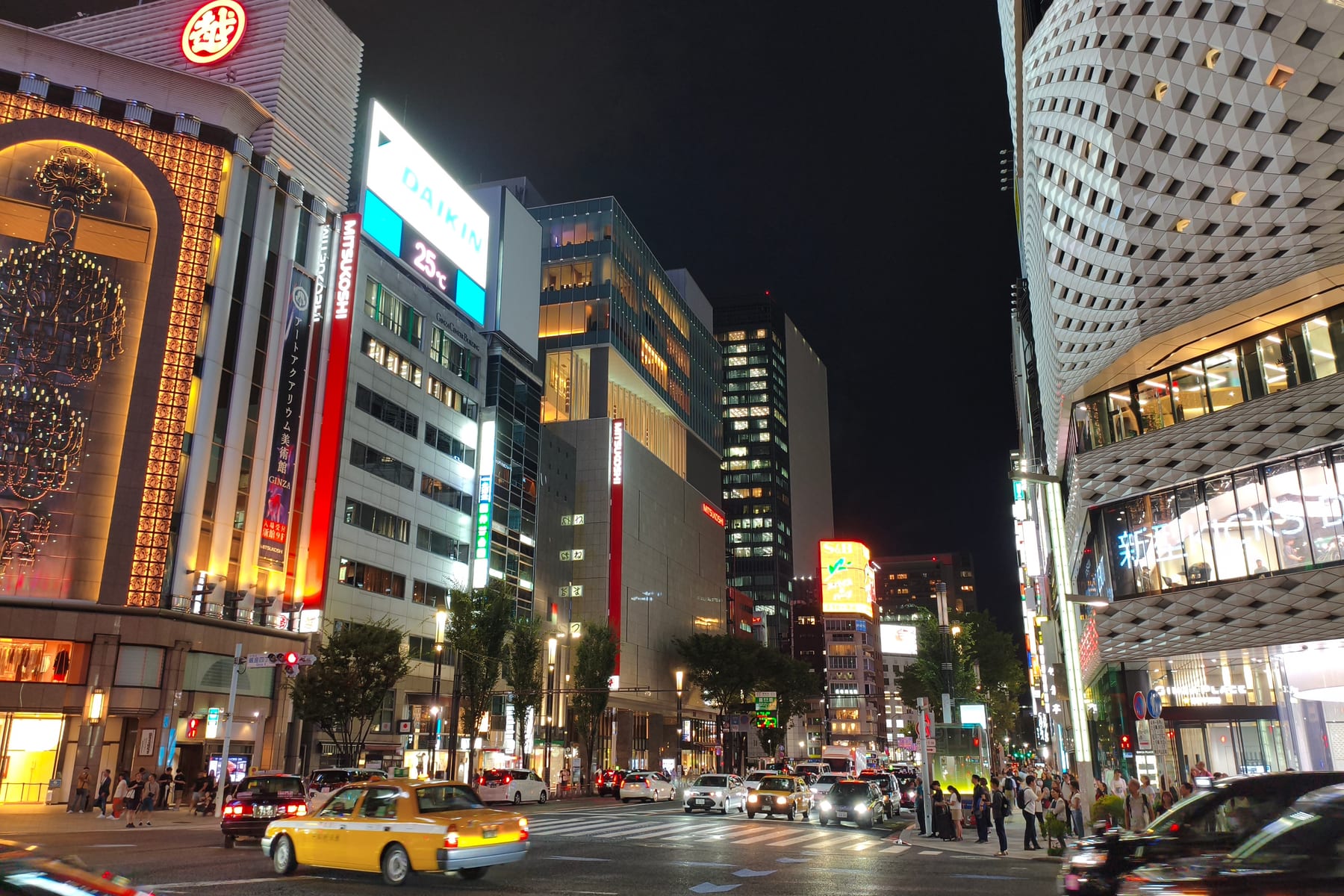
We split Tokyo in two: three days at the start, the rest at the end. The first part was pure sightseeing, based in Shinjuku, close to the station, which mattered more than we expected with a day trip to Nikko. The second was half sightseeing, half shopping, which is the right way round.
Staying in Shinjuku first and Ginza second turned out to be a great choice. Two very different neighbourhoods, and Tokyo looks like a different city from each. If you split your stay, change neighbourhoods, so you can truly live the experience from different perspectives.
If I ever go to Tokyo again, which I hope to do, I will definitely stay in another neighbourhood. Not because I didn't enjoy Shinjuku or Ginza, but because staying in different areas allows you to truly know Tokyo and live the experience at a deeper level.
Where we stayed, what it cost and what we ate is all on the Tokyo page.
Read the full Tokyo write-up →
Kyoto — 4 days, plus Nara and Osaka
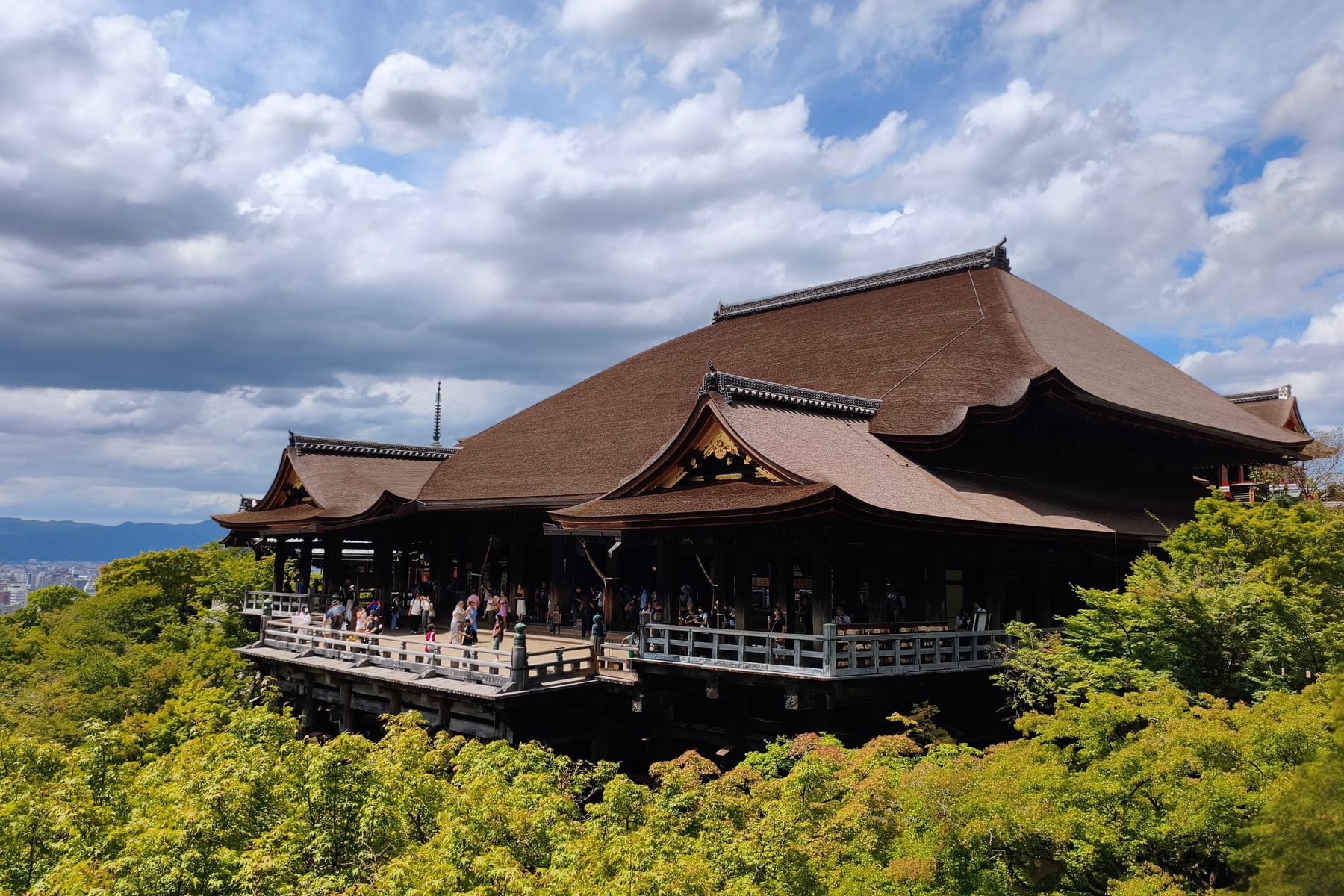
Kyoto was our second base, and we stayed in the historic Gion district. Close to the main attractions, yet away from the hustle of the city. We spent the first two days exploring Kyoto itself, then did one day trip to Nara and one to Osaka.
Kyoto is special. You will understand when you go. You get the feeling of living in traditional Japan — the temples, the gardens, people in kimono. It's like time travelling, and you get that moment of "right, I am in Japan, this is what I came for". You feel the contrast with the neon and tall buildings of Tokyo.
Kyoto is definitely a must. And while you are there, if you are a foodie like us, you have to try kaiseki, the traditional multi-course meal. I go into it properly in the Kyoto write-up.
Read the full Kyoto write-up →
Hiroshima — 2 days, with Miyajima
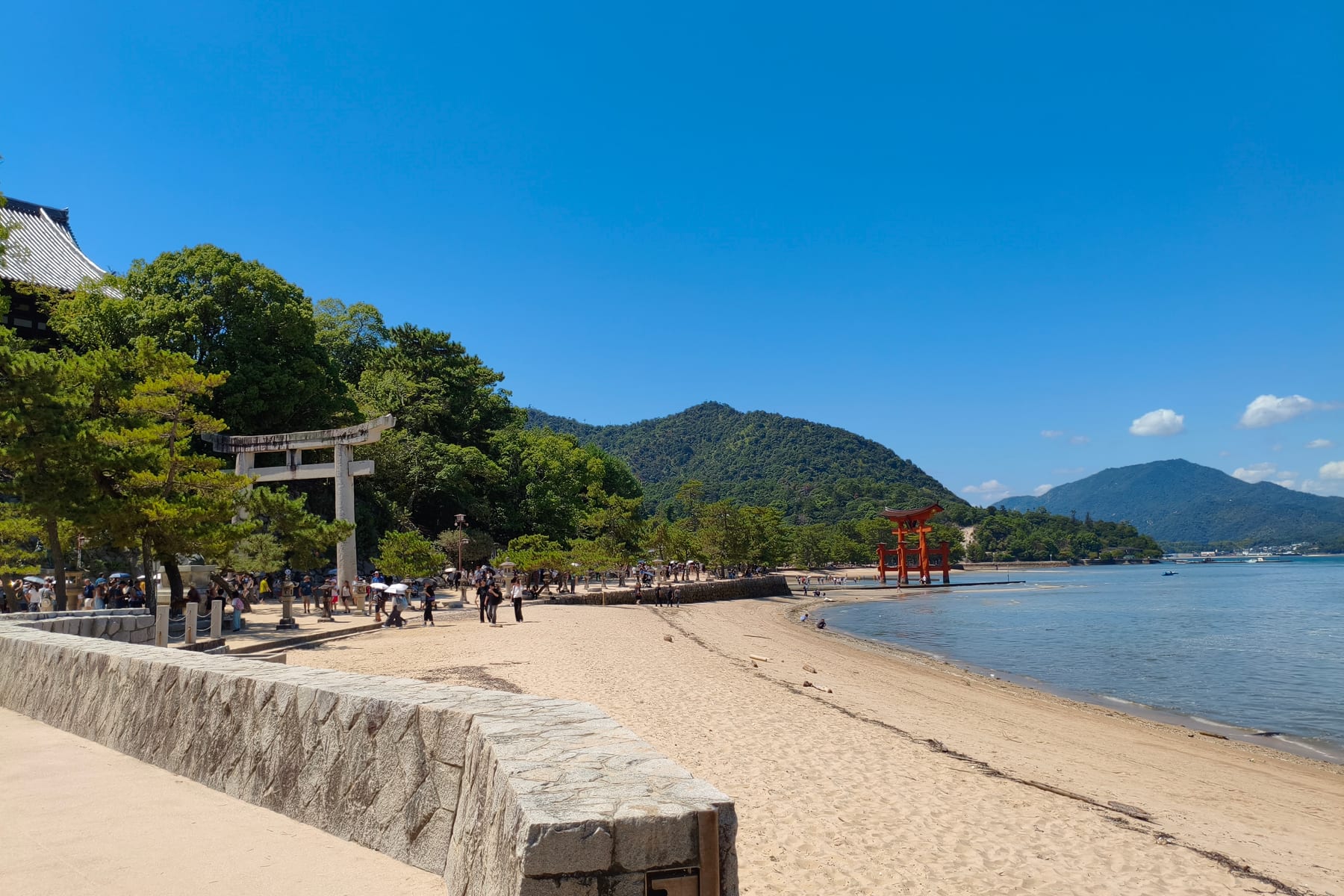
Hiroshima was our third base, and we stayed in the city centre. We spent one day in Hiroshima itself, and one day on Miyajima island. The island is a short ferry ride away, and it is a must-see.
Hiroshima is the stop you feel you have to make because of its historical significance, but when you actually stay there, you realise how much more than that it is. It surprises you, in a good way.
Miyajima, on the other hand, felt short. I wish we had stayed a night. It is a unique place, full of history and natural beauty, and the thing we did not do but wish we had is stay after the last ferries leave, when barely any tourists are left. It must be magical to have the island to yourself.
Read the full Hiroshima and Miyajima write-up →
Kanazawa — 3 days, plus Shirakawa-go and Takayama
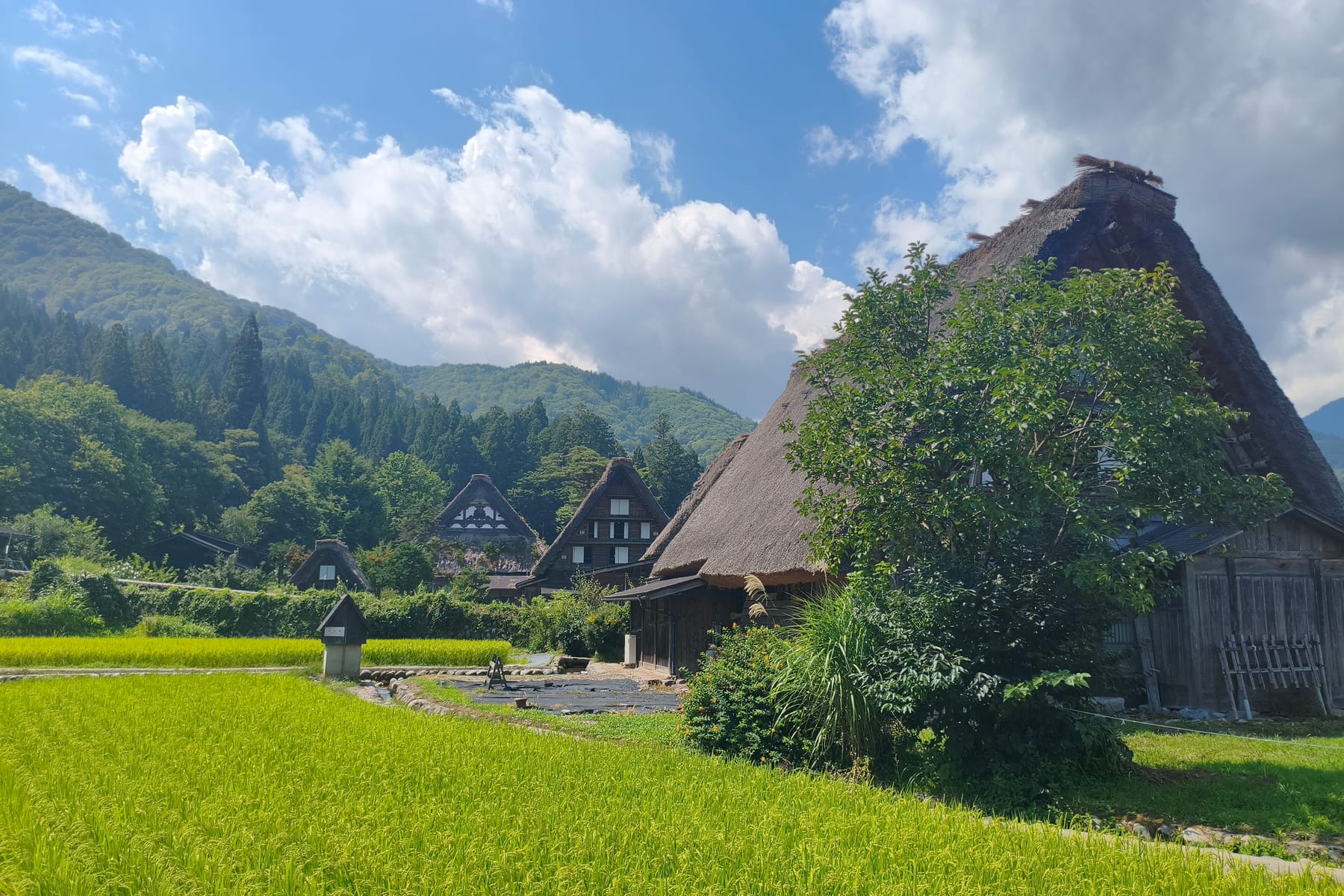
And finally, Kanazawa. It was our last stop before heading back to Tokyo. We dedicated the first day to exploring the city; on the second we did a day trip to Shirakawa-go and Takayama; and on the third we went to a ryokan and spent the night there, which was a truly amazing experience.
Kanazawa surprised me with the quality and freshness of the food. We tried nodoguro, the blackthroat seaperch the region is known for, which was absolutely delicious, along with plenty of other local specialities. It is a place that deserves more attention.
Shirakawa-go and Takayama were also incredible, with their traditional architecture and the natural setting around them. It is an area where I would probably stay longer if I ever go back to Japan. For me it was one of the highlights of the trip.
Read the full Kanazawa and Shirakawa-go write-up →
Getting around
First, how we got to Japan because I think there are few details that might be helpful.
We flew with Lufthansa and chose their premium economy class both ways. We booked our flights around six months ahead, when premium economy was only about 20 to 25% more than the standard economy, which felt like a good deal considering the additional space and comfort. A few weeks later those same seats cost as much as the business class. There are fewer premium economy seats than business class, so booking early is recommended.
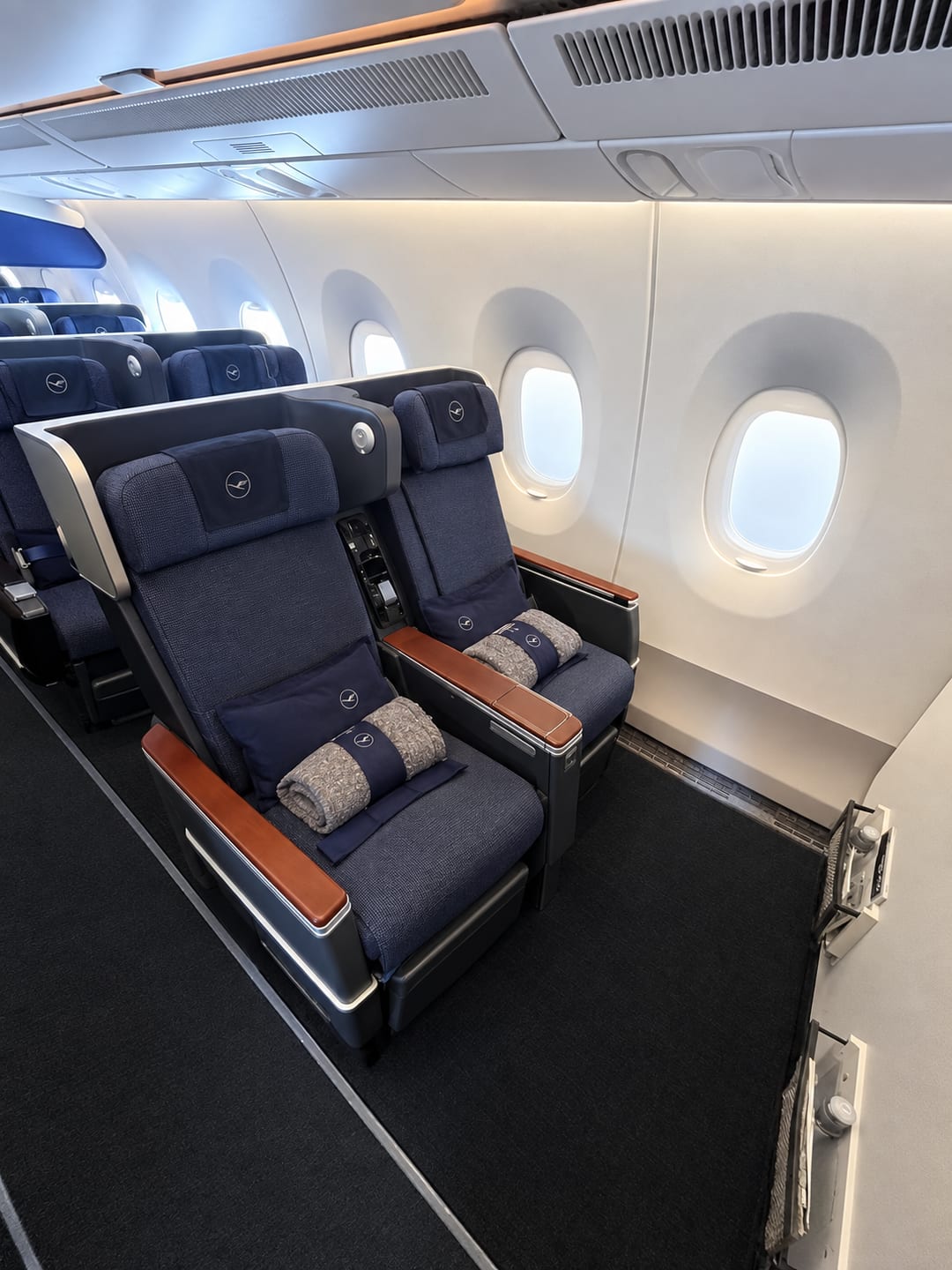
For the outband leg we picked seats in the first row of the premium economy section, which was a great choice. They welcomed us with the Lufthansa Avionic cocktail, which is genuinely good. The space was more than enough, and I think we were on one of the newer aircraft: the seats are built so that the seat slides forward inside its own shell instead of reclining backwards, so you never disturb the person behind you, and nobody in front disturbs you. The meal was decent, with three options for the main course. We landed in Tokyo rested.
The return leg was with ANA, All Nippon Airways. We booked everything through the Lufthansa website, and because ANA is in the same alliance, that is who flew us home.
It was not as good, for two reasons. We picked seats in the last row, which meant none of that first-row leg space. And we were not as lucky with the aircraft: these were the older seats, the kind that recline backwards, so when the person in front reclines you lose part of your own space. Still better than economy, but it did not feel as premium. Worth what we paid, but I would not pay it if business class costs the same.
Once in Japan, we used an IC card for getting around the cities and for our day trips. There are several brands: we bought a Pasmo, but a Suica works exactly the same way. You load money onto the card, then tap in and out at train stations, metros and buses. You never have to work out which ticket you need for a particular journey, because the card calculates the fare for you.
Two things to watch. Keep enough balance on it, and carry cash in yen, because at many stations the top-up machines only take cash. Beyond that it is extremely convenient.
For the long journeys, when we were switching bases, we used the Shinkansen. We bought our tickets ahead of time, although you do not have to: you can buy them at the station on the day, and the frequencies are high enough that you will usually find something available. I would still book ahead in busy seasons and on high-demand lines like Tokyo–Kyoto.
Want this route as a day-by-day plan? The 14-day Japan itinerary covers most of this ground with timings and maps, or you can build your own version and change the stops.