
Japan · Kyoto
Kyoto: four days, plus Nara and Osaka
Four days based in Kyoto, two of them spent elsewhere. Where we stayed, what we ate, and the one timing trick that made the difference.
What we did day by day
Day 4: Arrival in Kyoto
We took the Shinkansen at 8:45am from Tokyo Station to Kyoto Station. We booked the tickets in advance through smart-EX. We booked several weeks ahead, but there is no need to plan that far out, because specific seats reservations only open one month before the departure date. You receive a ticket with a QR code and you scan it at the gate as if it were your IC card. It is really easy, and there is no security check of any kind, so getting in is quick. Most cars have assigned seats, though a few are non-reserved. The Shinkansen experience was great. We had no problems at all, and everything ran on time, like clockwork. The trip took 2 hours 12 minutes.
From Kyoto Station we took a taxi to our hotel, the Granbell Hotel Kyoto. There is more about it in the Where we stayed section. The hotel is in the Gion area, a historic district known for its traditional architecture and geisha culture. The district is full of traditional restaurants and shops, and it has that old Japan atmosphere. We highly recommend staying there.
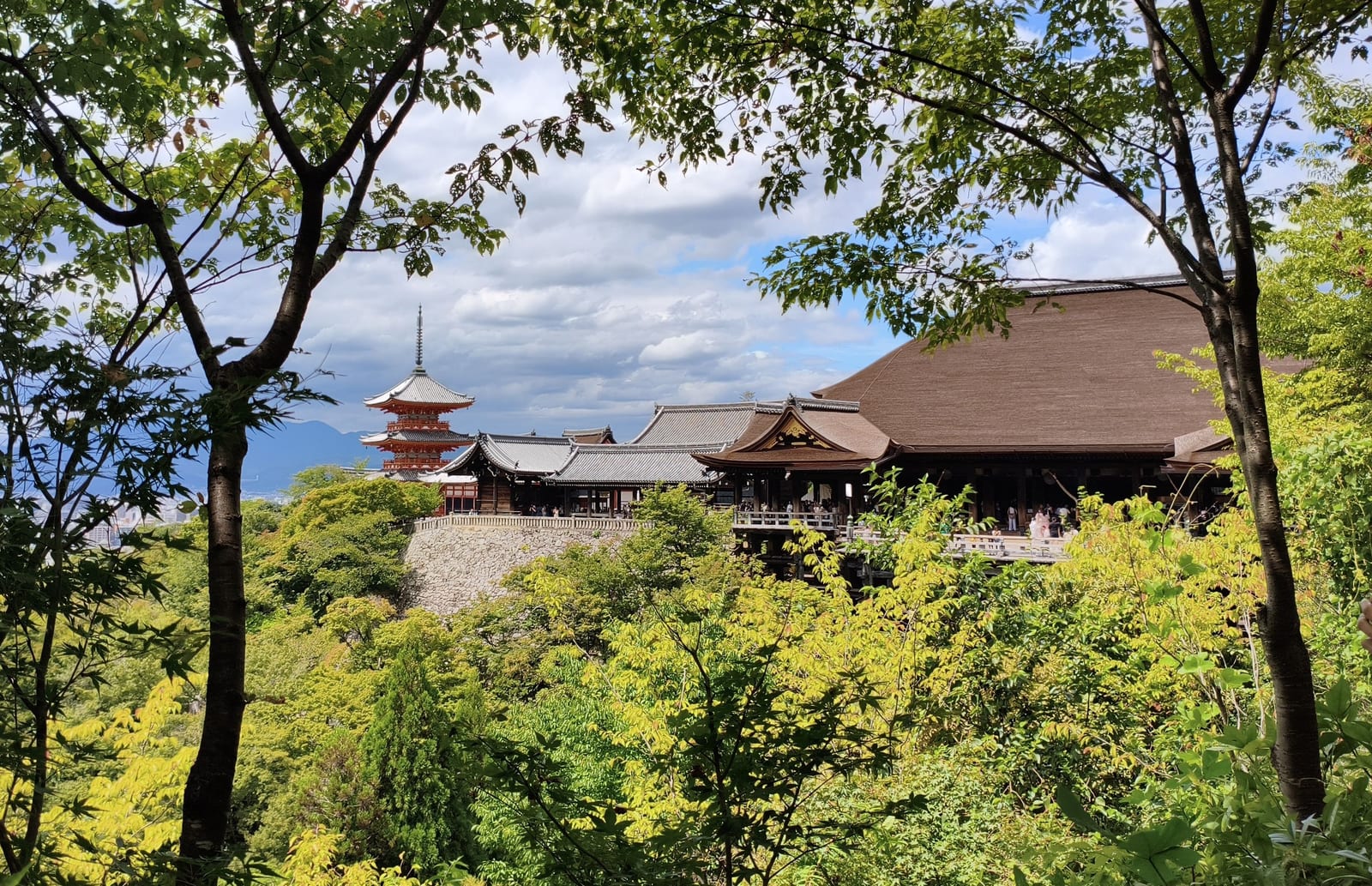
We left our luggage at the hotel, since it was still too early to check in, and went out to explore. Our first stop was Kiyomizu-dera, a Buddhist temple with over 1,200 years of history. It sits on Mount Otowa, so it has wonderful views over Kyoto. The site has many buildings and you can easily spend a good while exploring all of it. I would recommend doing the full circuit, and one of the last stops is the famous Otowa Waterfall, which channels spring water from the mountain into three separate streams. Tradition says you should drink from one stream only. If you drink from all three out of greed, the blessings are cancelled out, or so it is believed.
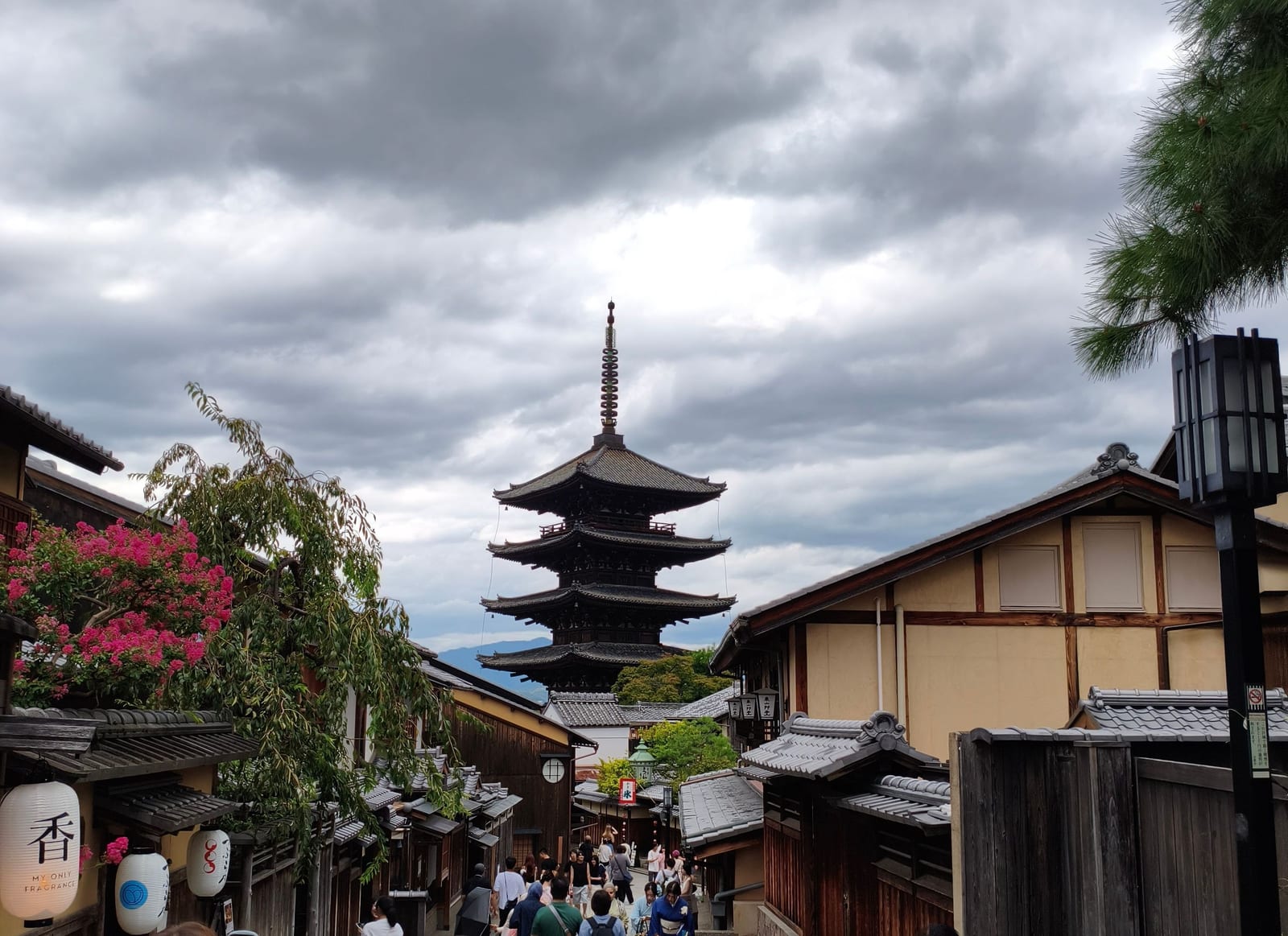
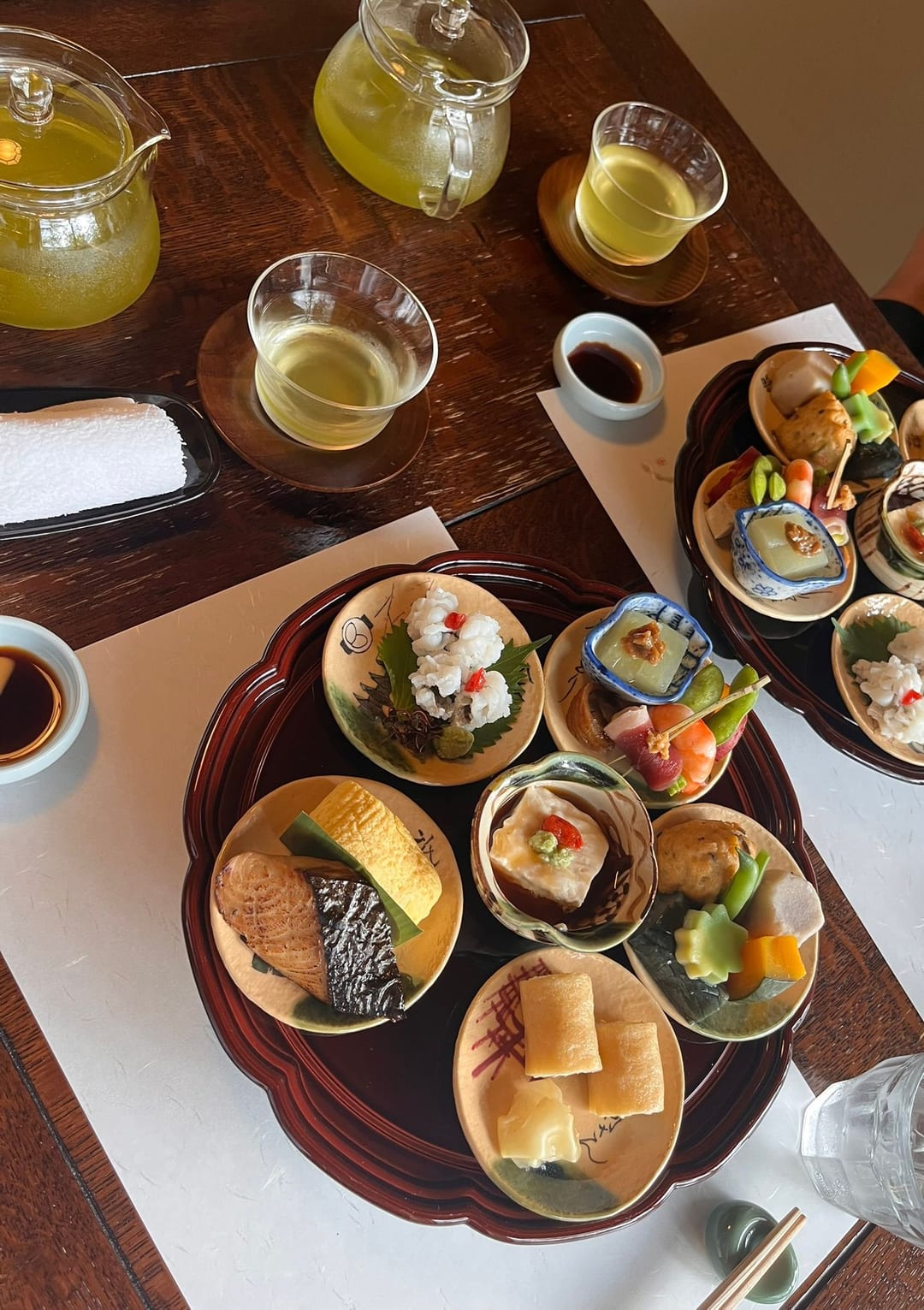
After Kiyomizu-dera we explored the streets around the temple. This neighbourhood is called Higashiyama and it is a genuinely traditional area, with stone-paved streets, wooden houses, artisan shops and plenty of restaurants. We were getting hungry, so we looked for somewhere to eat and found a great little place called Kyoto Tsuburano. They specialise in Kyoto-style bento served on a painted dish: a set of several courses including appetisers, a simmered seasonal dish, wagyu beef tataki, dashimaki omelette with grilled fish, Maiko inari sushi, rice, and matcha warabi mochi for dessert. There are two areas, a more casual ground floor with a few tables, and an upper floor with private rooms where you take your shoes off before going up. There were not many people that day, so they offered us one of the private rooms, and the whole thing was a lovely experience. We really recommend it if you are a foodie and like trying new things.
After lunch we went back to the hotel to check in and rest for a while. The hotel had an onsen, so we went down to recharge our batteries. One thing to know: onsen are usually separated by gender, and you go in fully naked. Swimsuits are not allowed.
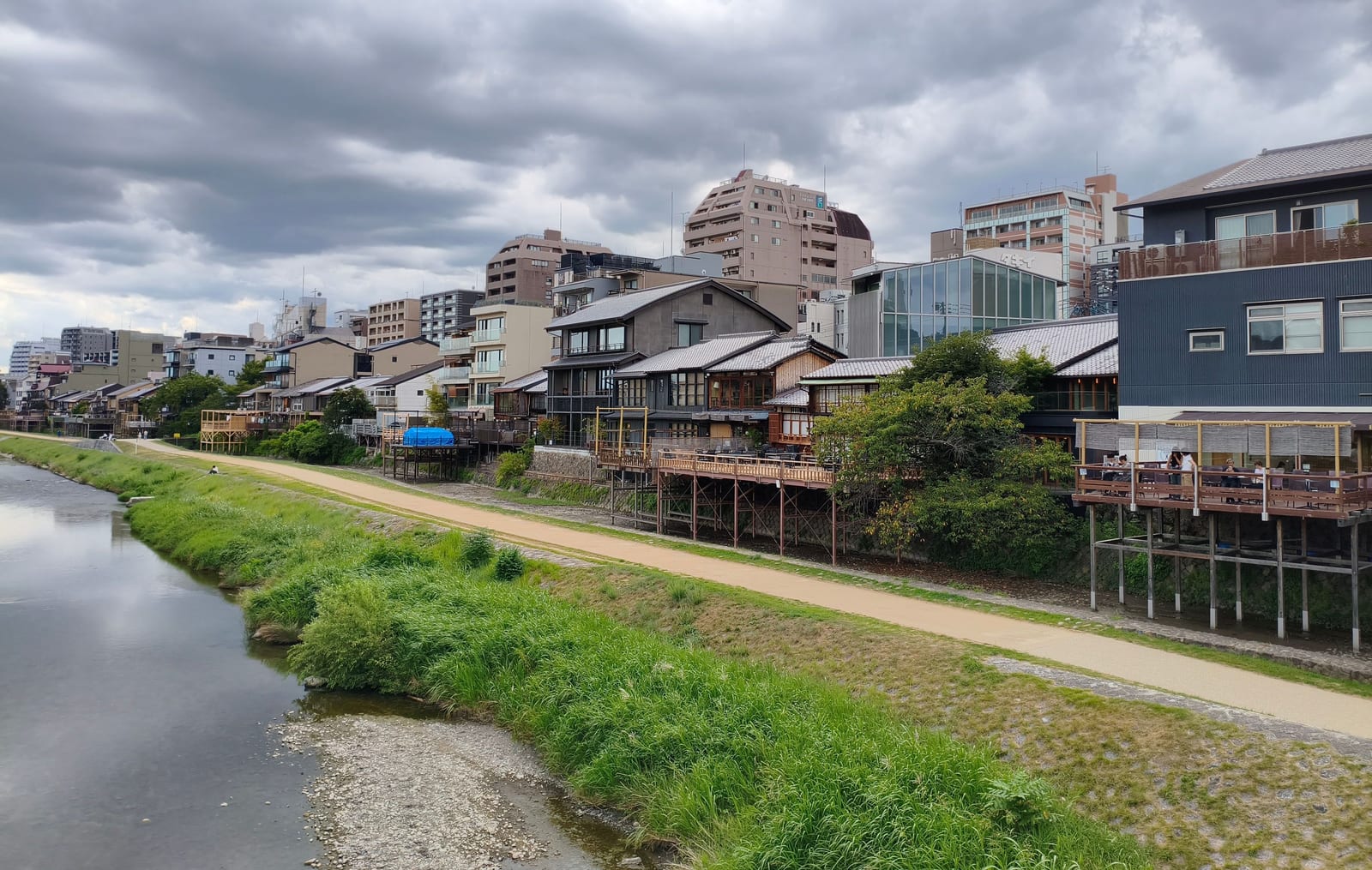
Then we went for a walk along the Kamo River, enjoying the views and the calm. We carried on walking around the city, and as I said, Kyoto feels more traditional. You see a lot of people in kimono, and you can rent one yourself if you want the full experience. For dinner we went to a sushi place called Taisho Sushi Gion. We ordered various types of sushi plus tempura, and it was very good. We had not booked, so we queued, but nothing dramatic, about 15 to 20 minutes.
After dinner we took a taxi to Fushimi Inari Taisha. We went at around 10pm, on purpose, since the shrine is open 24 hours a day. We had read that going at night was something special, so we wanted to find out for ourselves. It was an amazing experience, not only because there are far fewer people, but because the dark makes it feel different. Fushimi Inari is one of the most popular sights in Kyoto, and it is the place you have probably seen in photographs, with paths lined by thousands of vermilion torii gates. Walking through them at night, with almost nobody around, is genuinely magical. I can understand that it might feel eerie to some people, but Japan is an extremely safe country, and this is something you would struggle to do anywhere else: having that path to yourself.
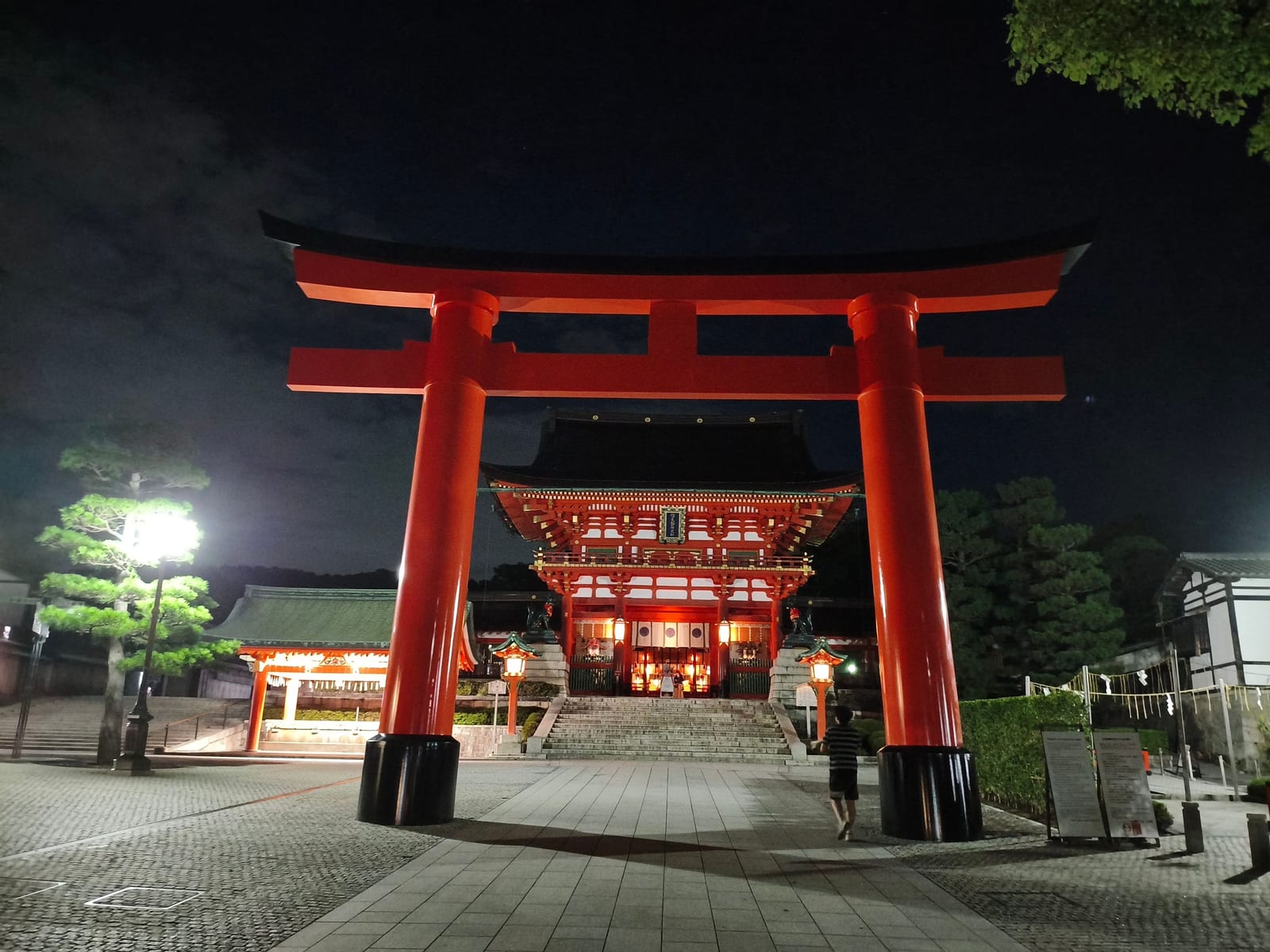
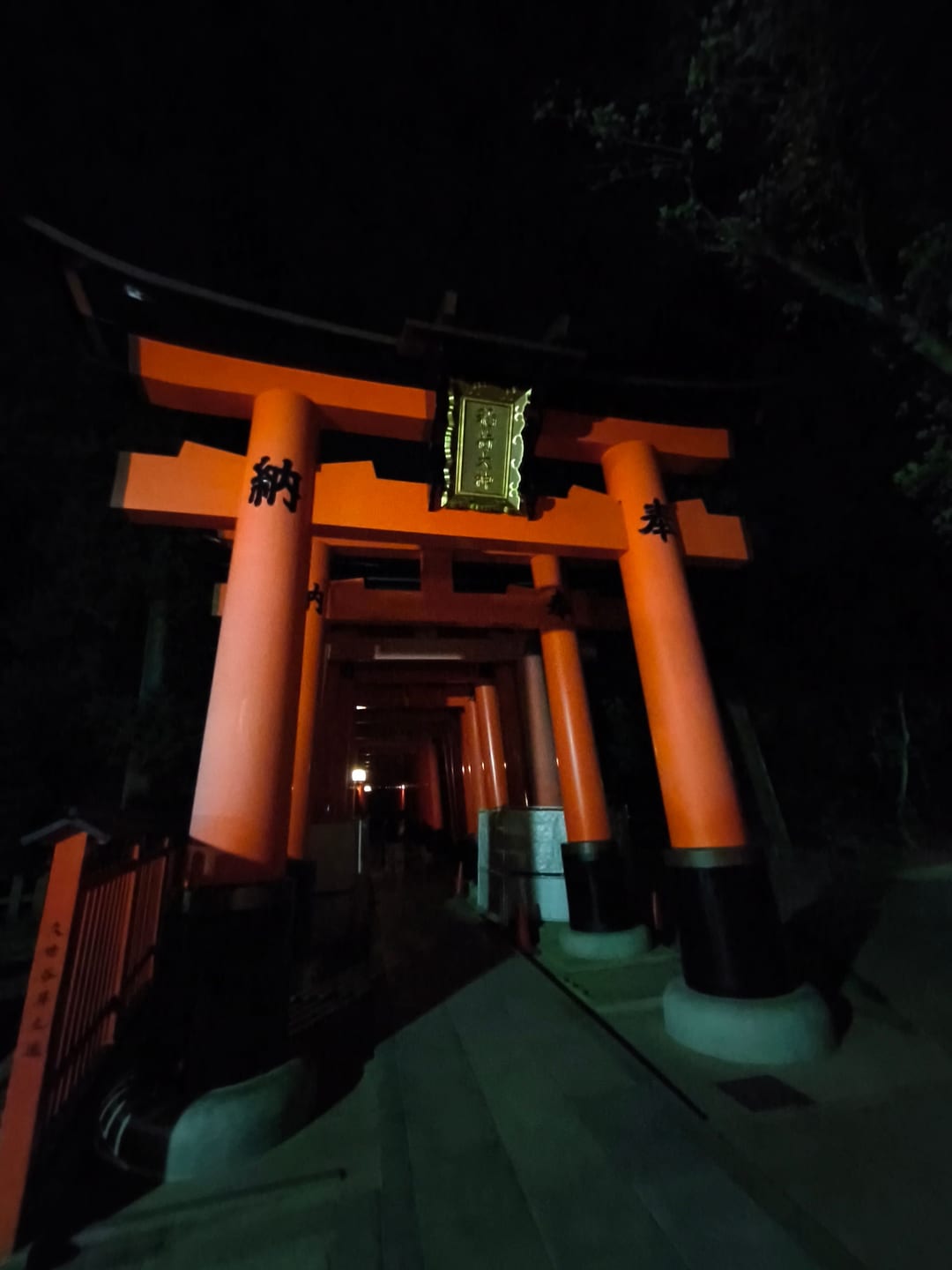
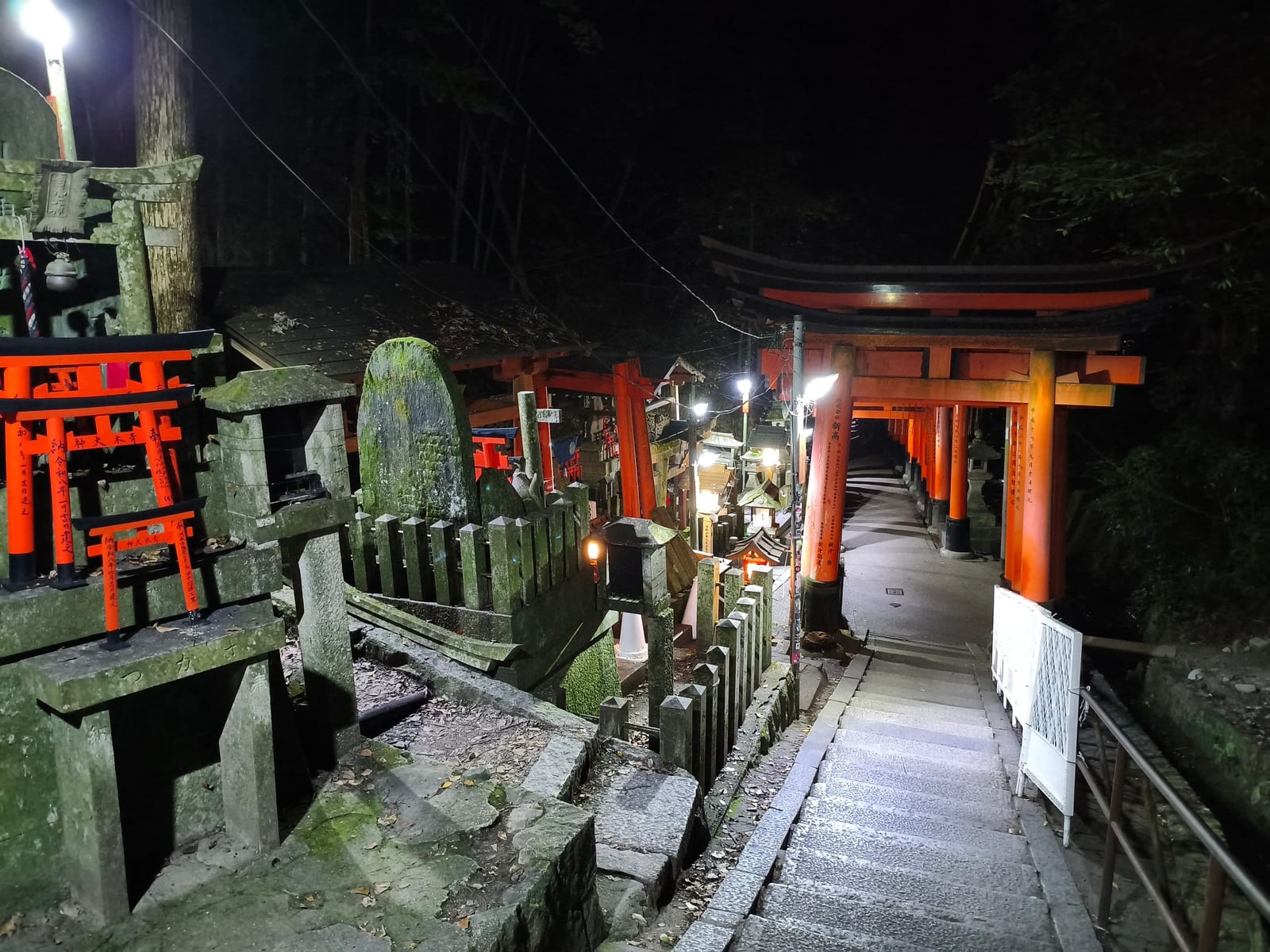
We walked part of the route but did not go all the way up. The full climb to the top of Mount Inari and back takes around two to three hours. Luckily there was a taxi waiting when we came out, so we headed back to the hotel, because the next day was going to be a busy one.
Day 5: Arashiyama, Kinkaku-ji and a kaiseki dinner
We started the day with breakfast at the hotel and headed to Arashiyama, a beautiful area in the western part of Kyoto named after the mountain beside it. The area is known for its natural scenery, especially the bamboo. We began at Tenryu-ji, the head temple of the Tenryu-ji branch of Rinzai Zen, which has a superb landscape garden laid out around a pond. From there we walked to the Arashiyama Bamboo Grove. It is a very popular spot, so expect crowds, but it is still worth seeing. The bamboo rises in dense lines on both sides of the path and the walk is a lovely one.
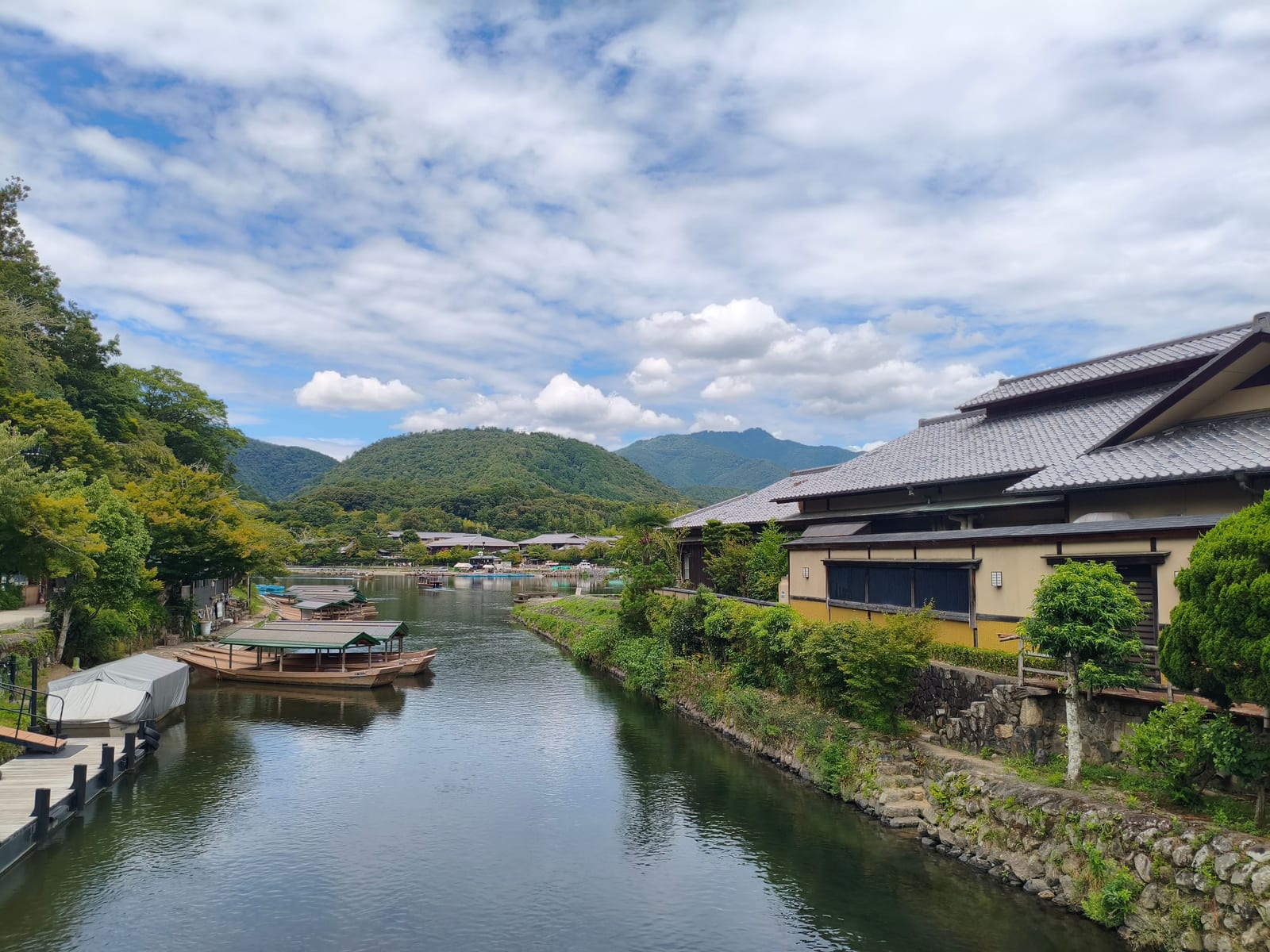
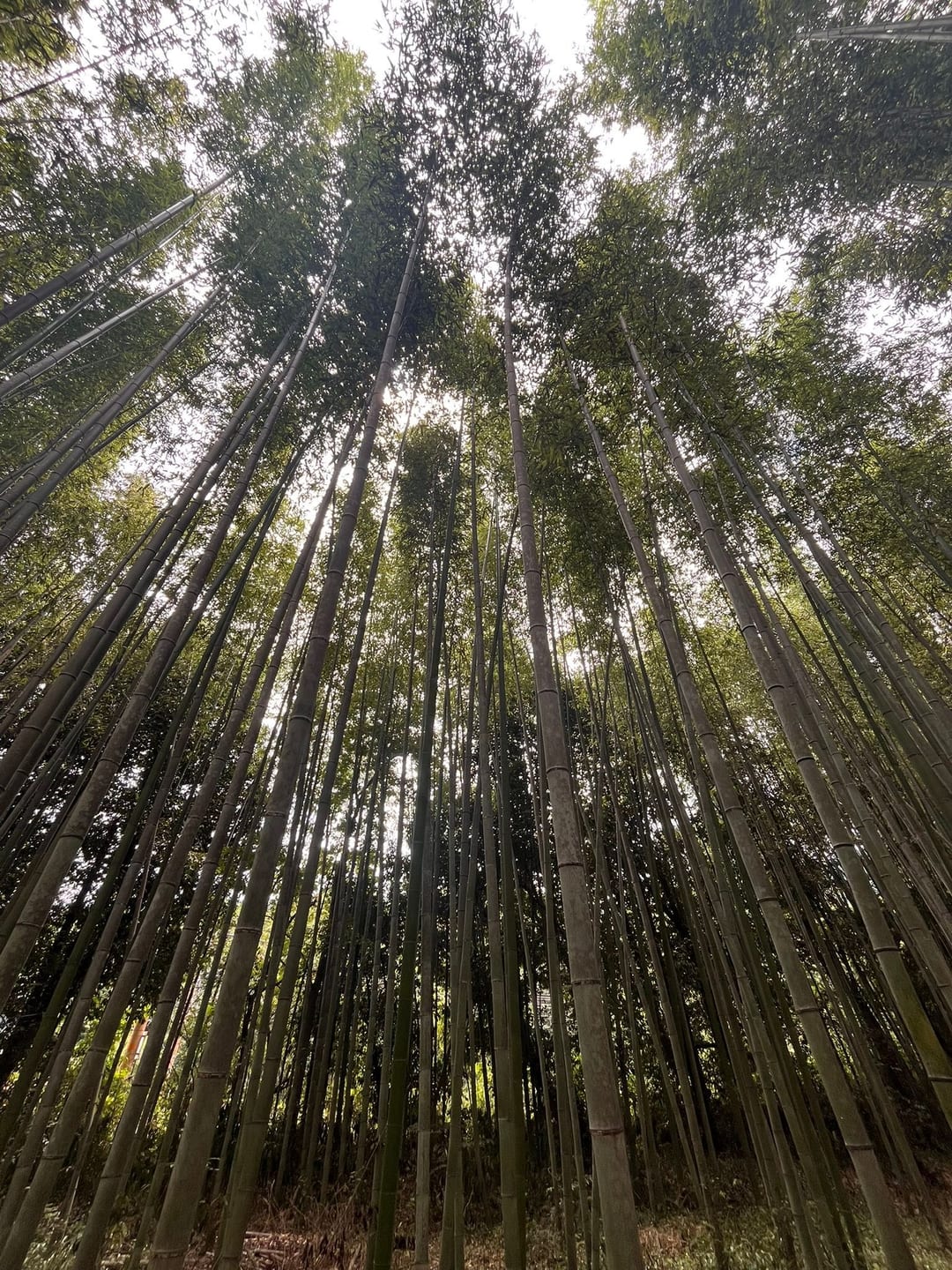
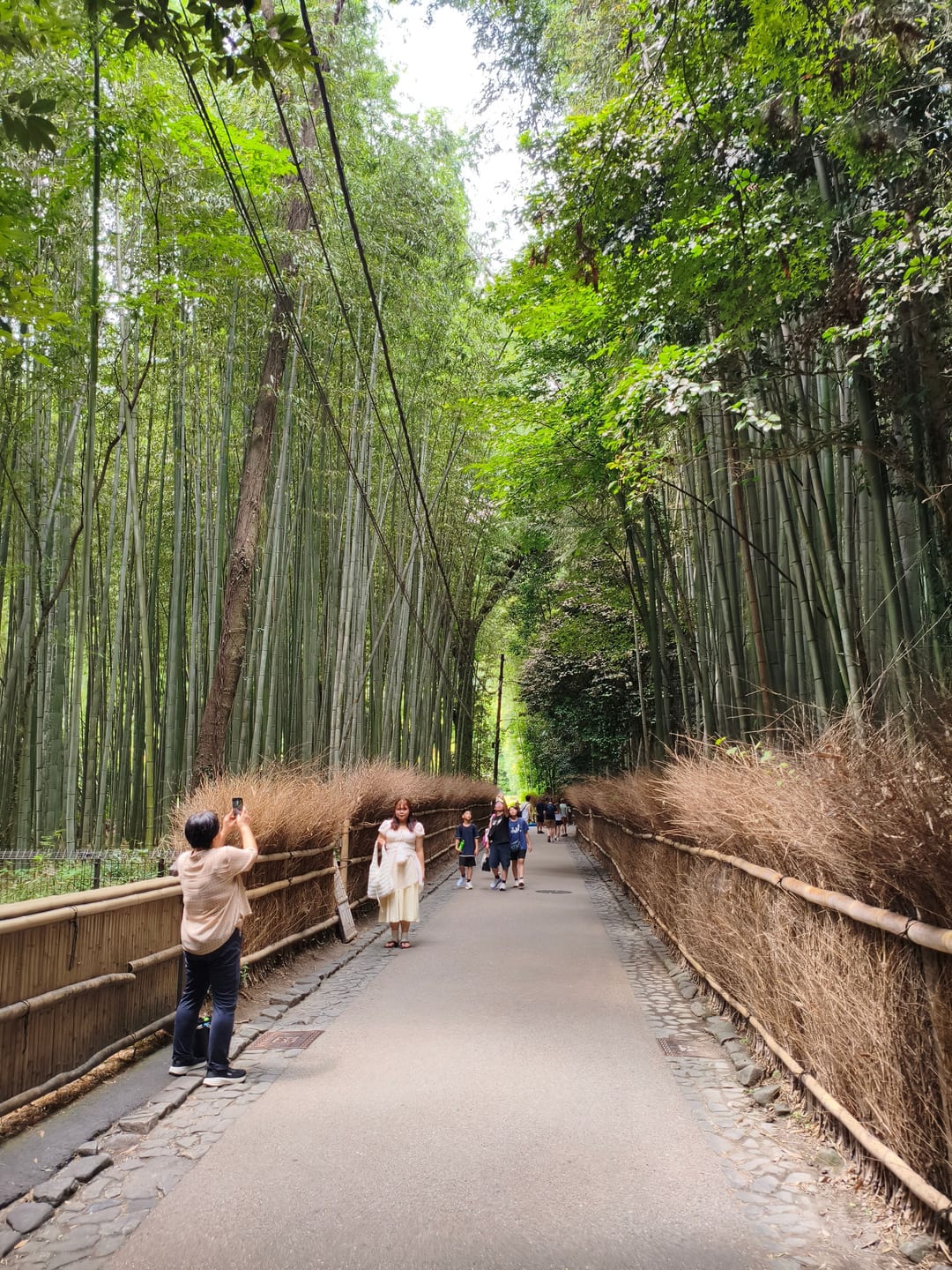
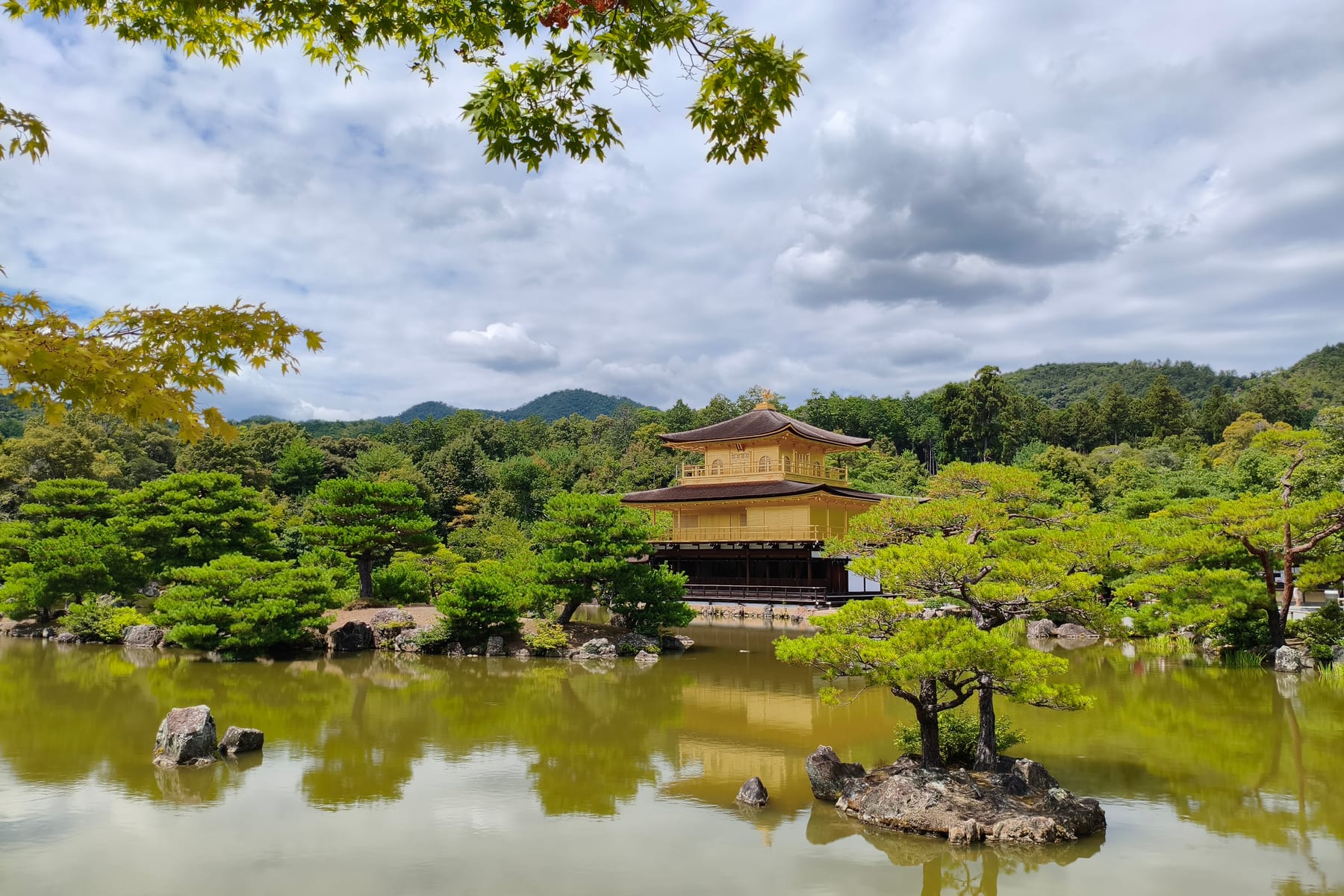
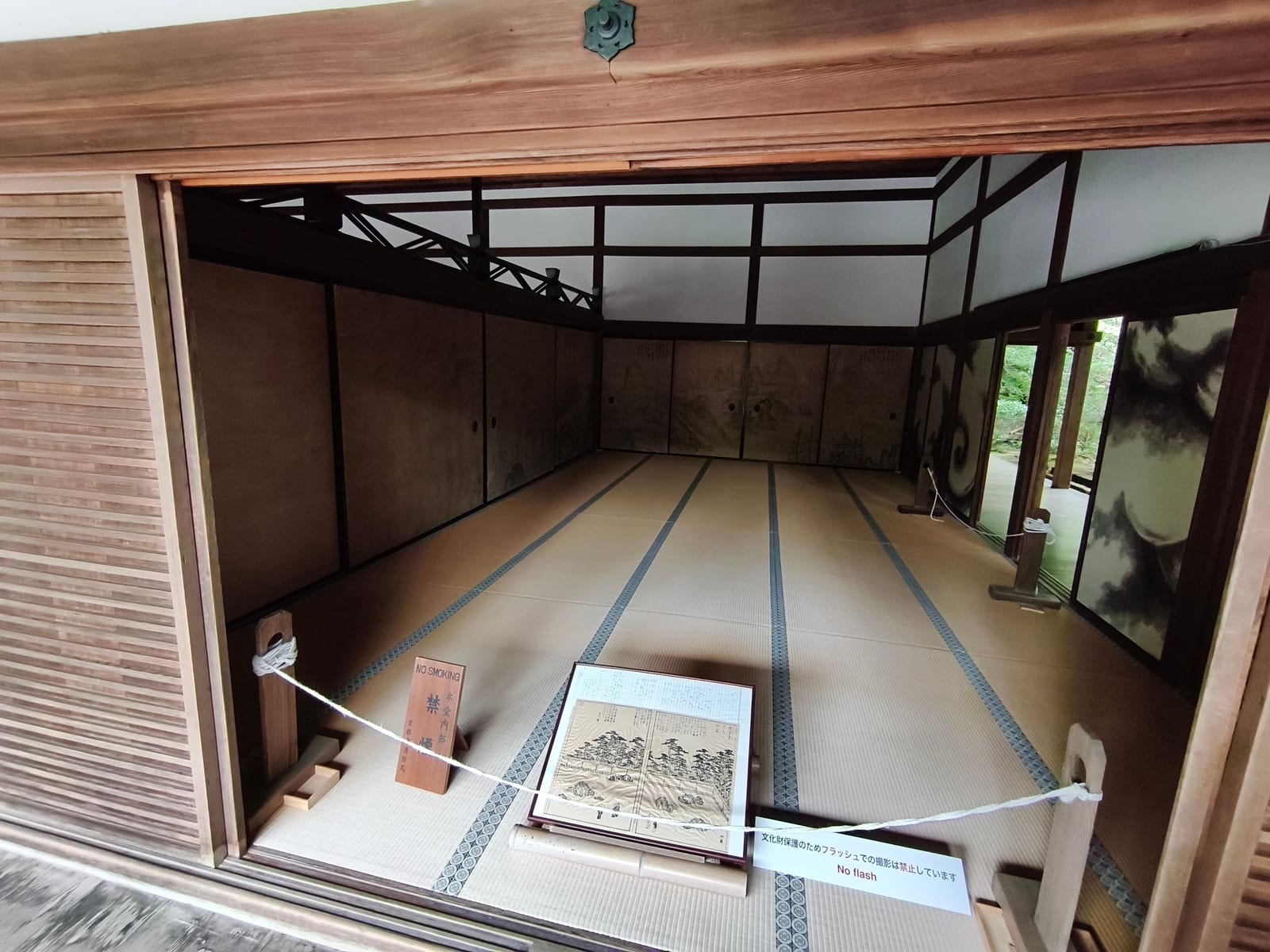
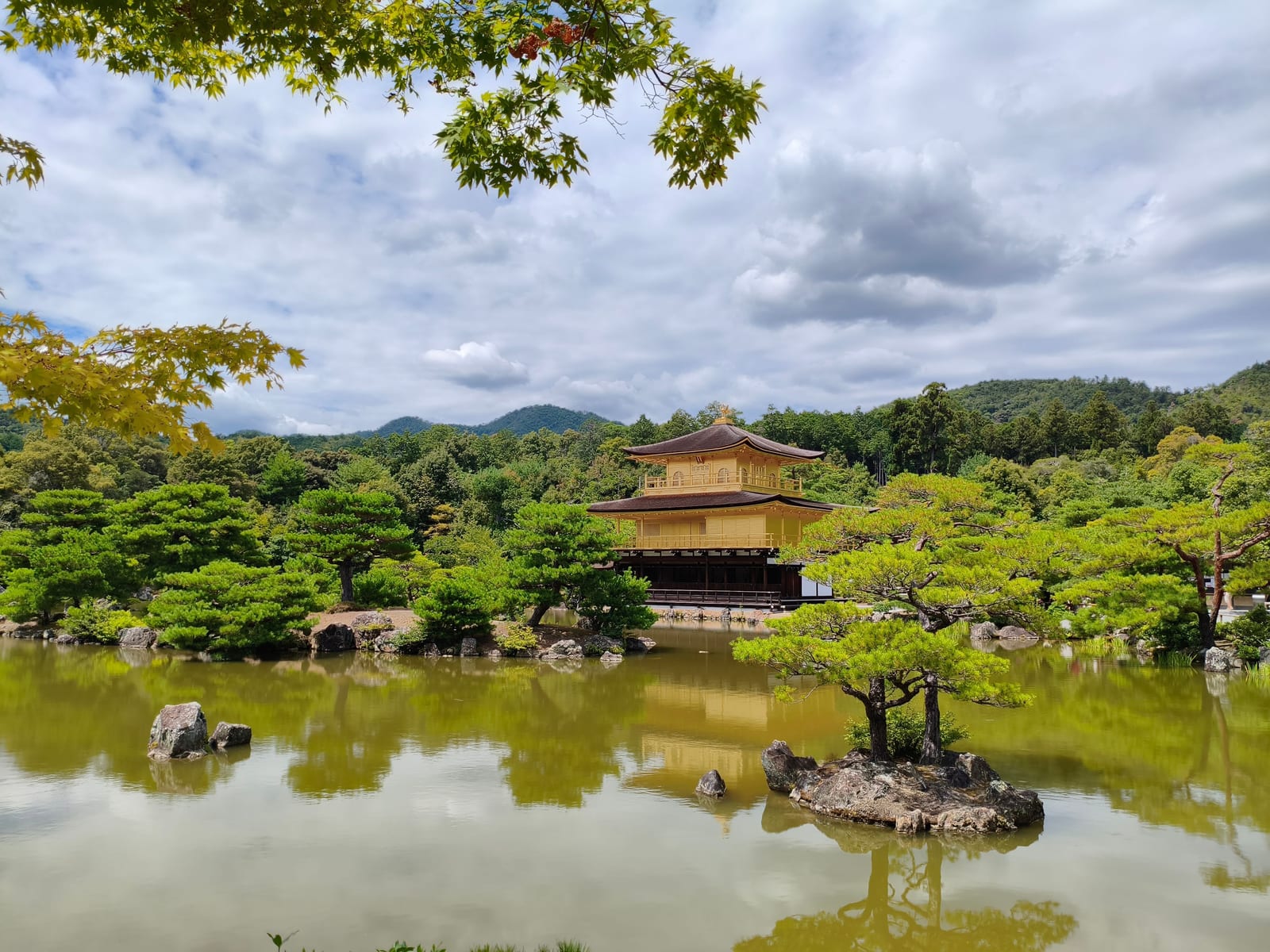
After a quick lunch we headed to Ryoan-ji and its famous rock garden. It is an interesting place, because it began as an aristocrat's residence before becoming a Zen temple, so you are essentially walking through a traditional house with tatami rooms. In front of them is the rock garden, where you can sit and take it in. From there it is a 20-minute walk to Kinkaku-ji, the Golden Pavilion. That visit is a circuit around the grounds, since you cannot go inside the pavilion itself, so it is a pleasant walk through the garden with the pavilion sitting out on the water.
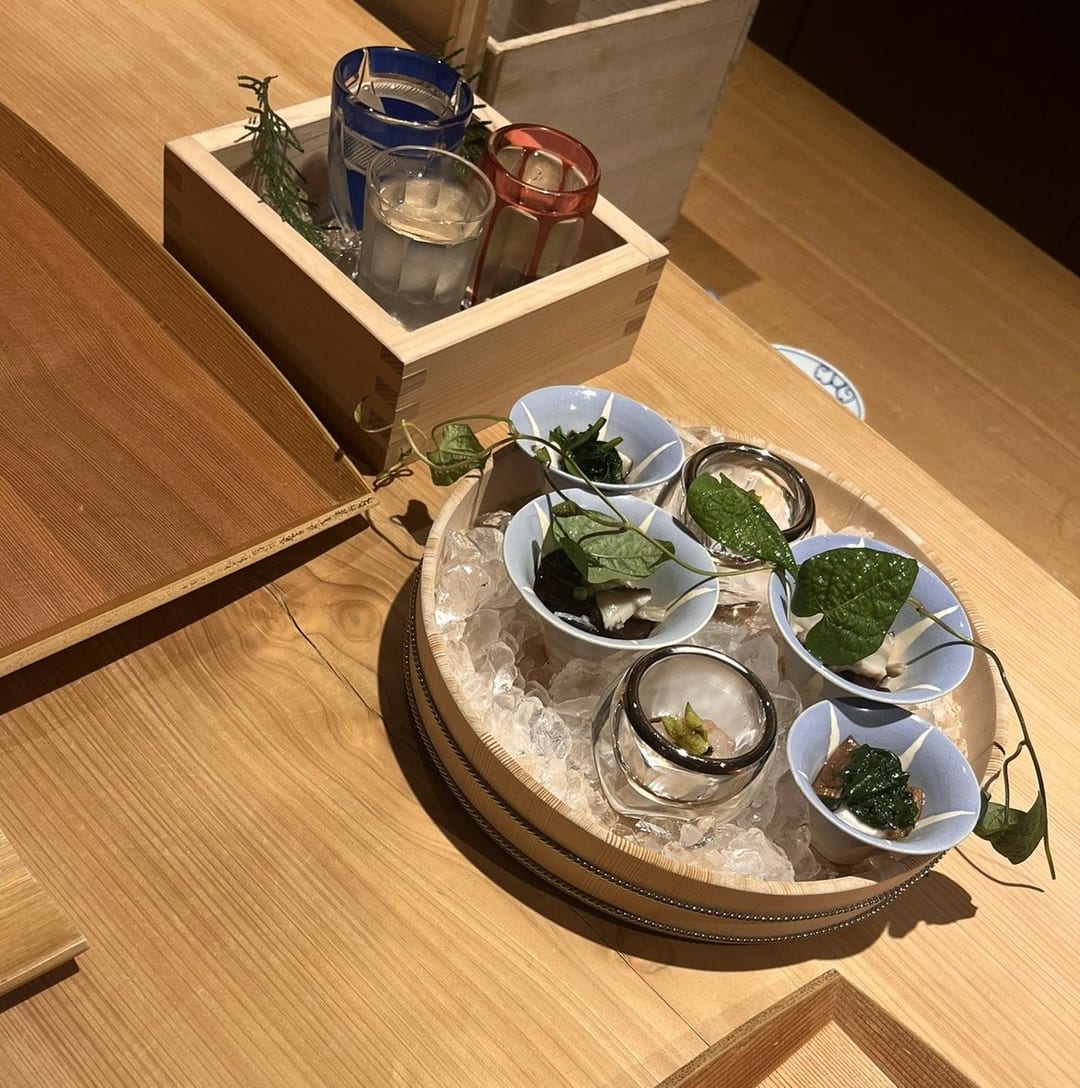
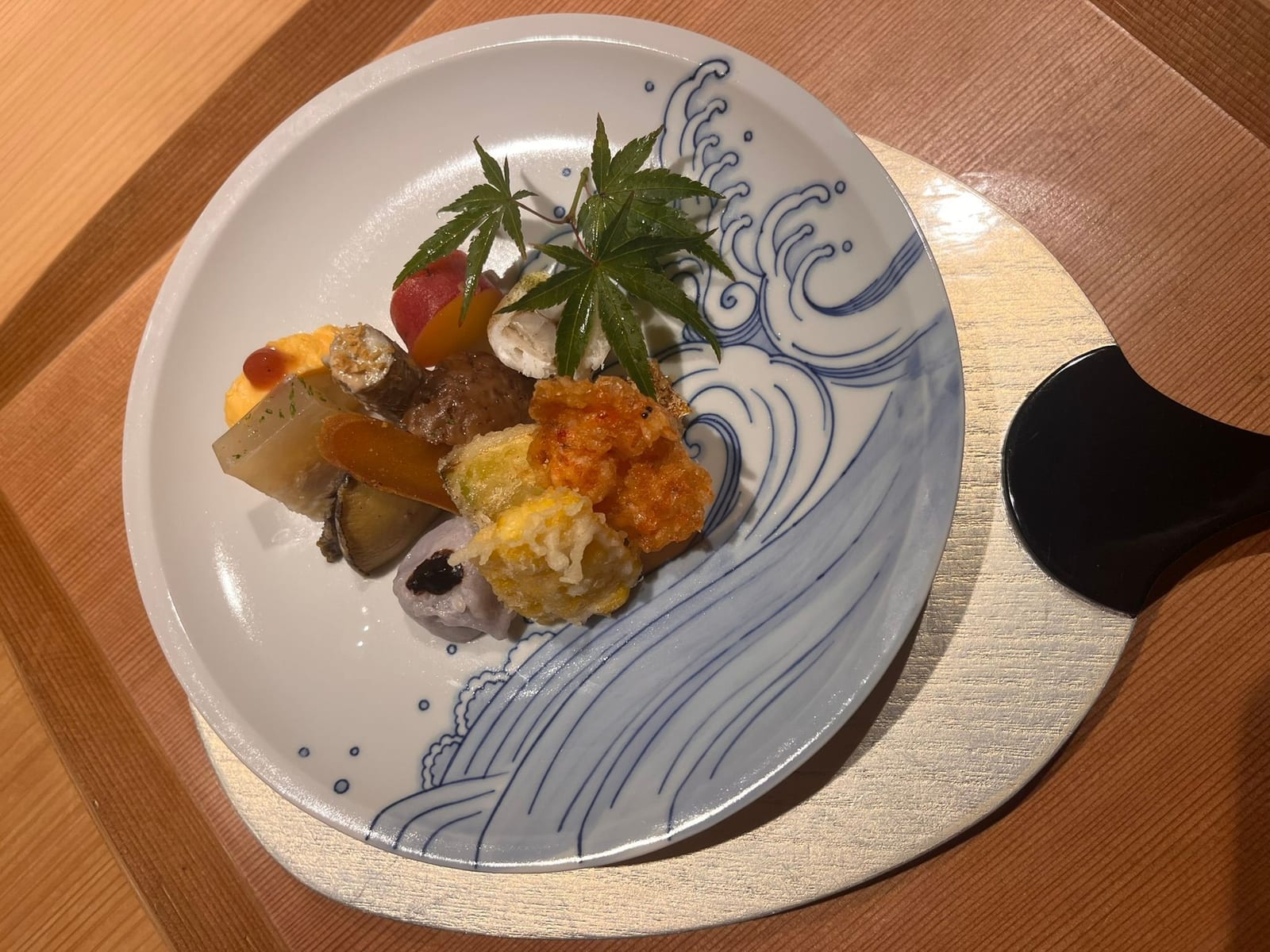
Once we finished at Kinkaku-ji we went back to the hotel to relax, and returned to the onsen to recharge before dinner. We had booked something special in advance: Gion Matayoshi, a two-Michelin-starred restaurant specialising in traditional kaiseki. A kaiseki meal is a sequence of small courses served in a set order, built around the produce of the season. The dinner was superb. It was just us and a couple from China at the counter, watching the chef work. Everything about the place was impressive, the service, the presentation, and the chef explaining each dish in detail, the fish, the vegetables and how it was all prepared. They speak some English, which made a real difference. I ordered sake, and I have to say that although it sounds like a strong drink, a good sake is surprisingly soft and easy to drink. My partner ordered white wine, and we were both struck by how good Japanese wine was. Theirs came from Tamba Wine, Kyoto's first and oldest winery, out in the countryside of the Kyotamba area. If you love food and enjoy high-end restaurants, we really recommend this one.
Day 6: Nara
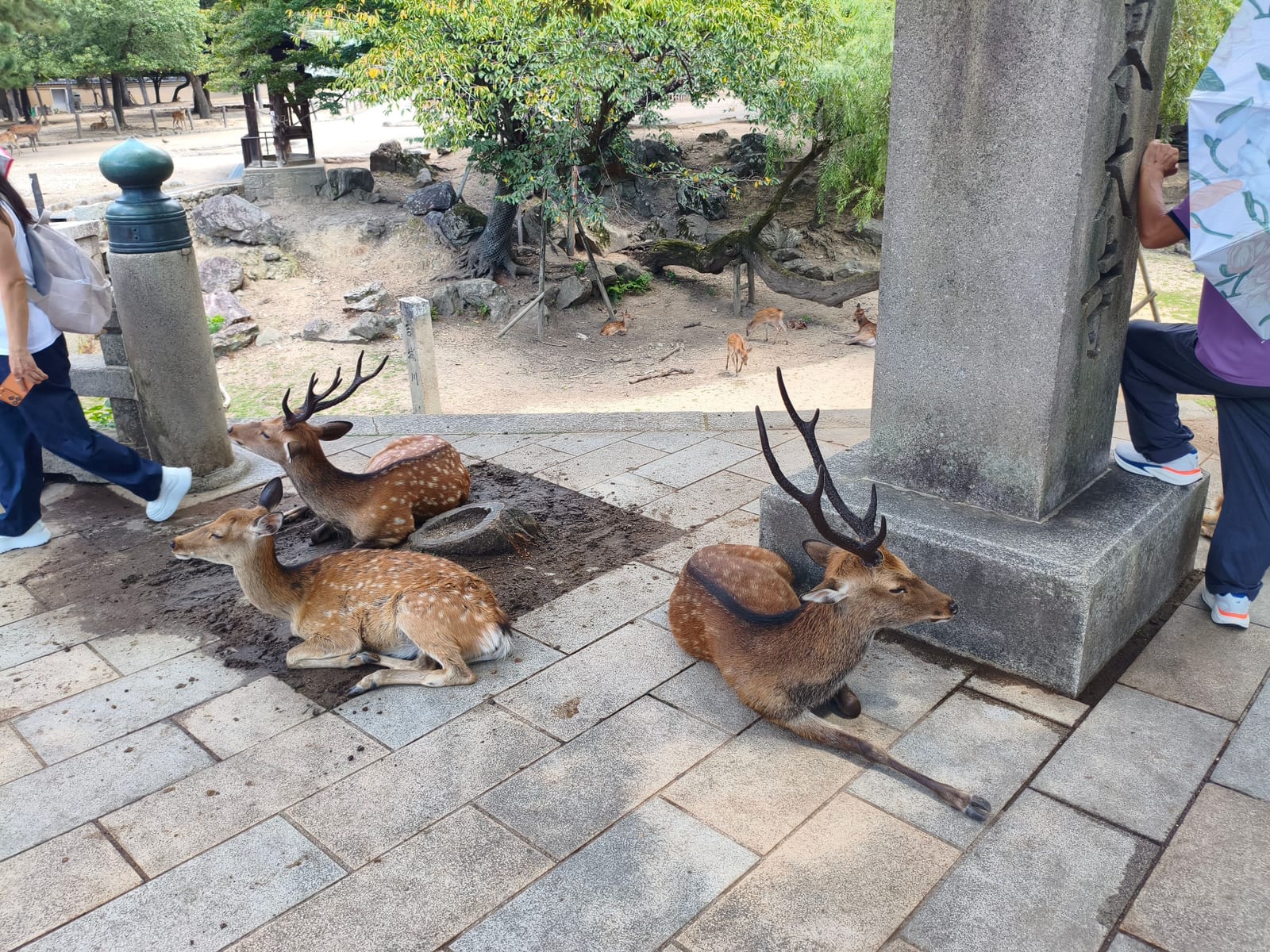
We took the train from Kyoto Station to Kintetsu-Nara Station, which is the closer of the two to the main sights. It is a direct train and takes about 45 minutes. Nara is famous for its temples and shrines, and for the deer that roam freely in Nara Park.
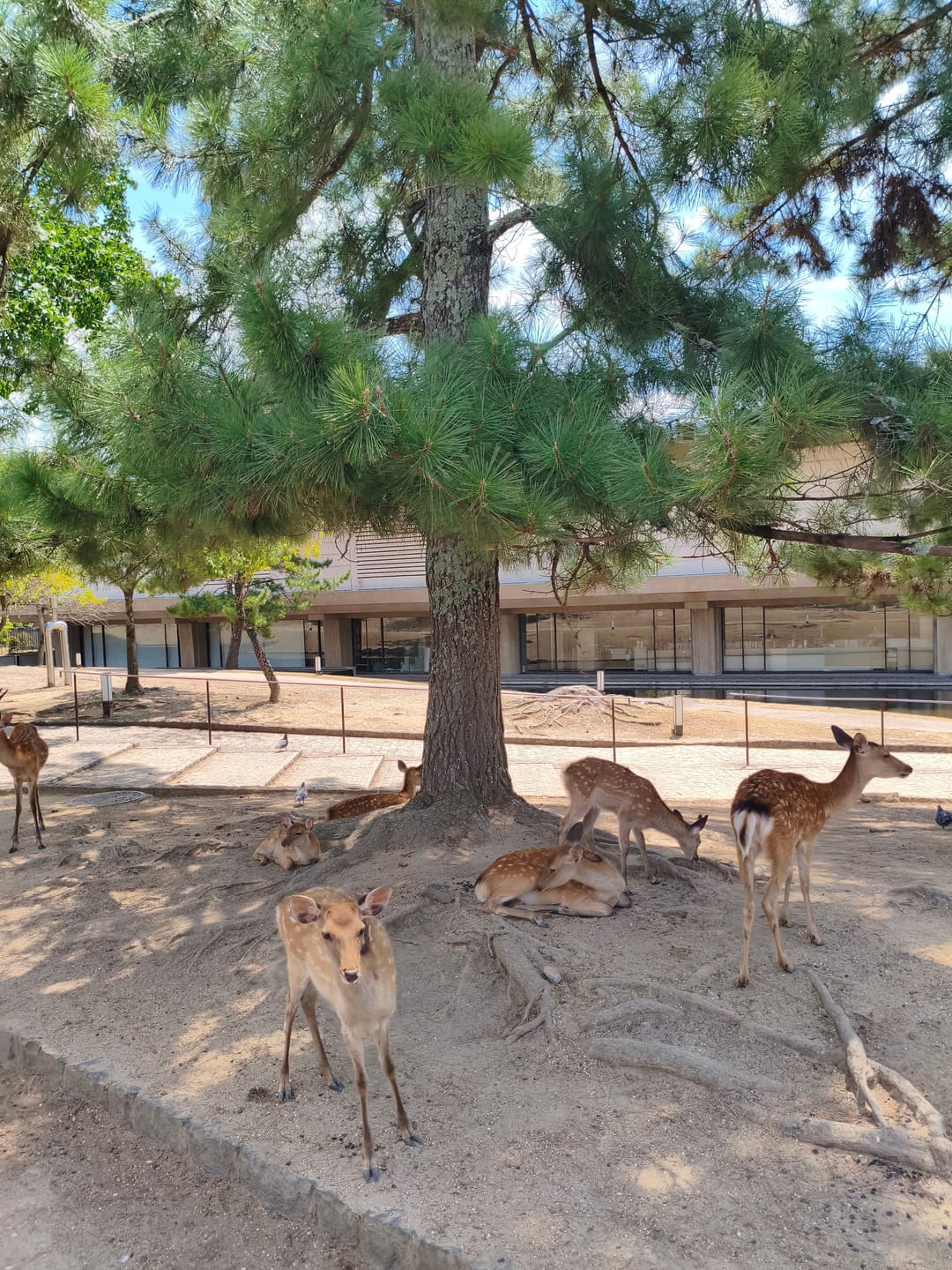
From Kintetsu-Nara Station it is a 10 to 15 minute walk up towards the park. It is a gentle climb rather than a real hill, and there are buses from the station if you would rather not walk. As soon as you start heading that way you begin to see deer, and then more and more of them. They are used to people and will come right up to you. Several vendors sell crackers made for them, and feeding the deer is the thing everyone does. It is true that the moment you are holding food, plenty of them will find you. Some will even bow their heads at you to ask, which is great fun.
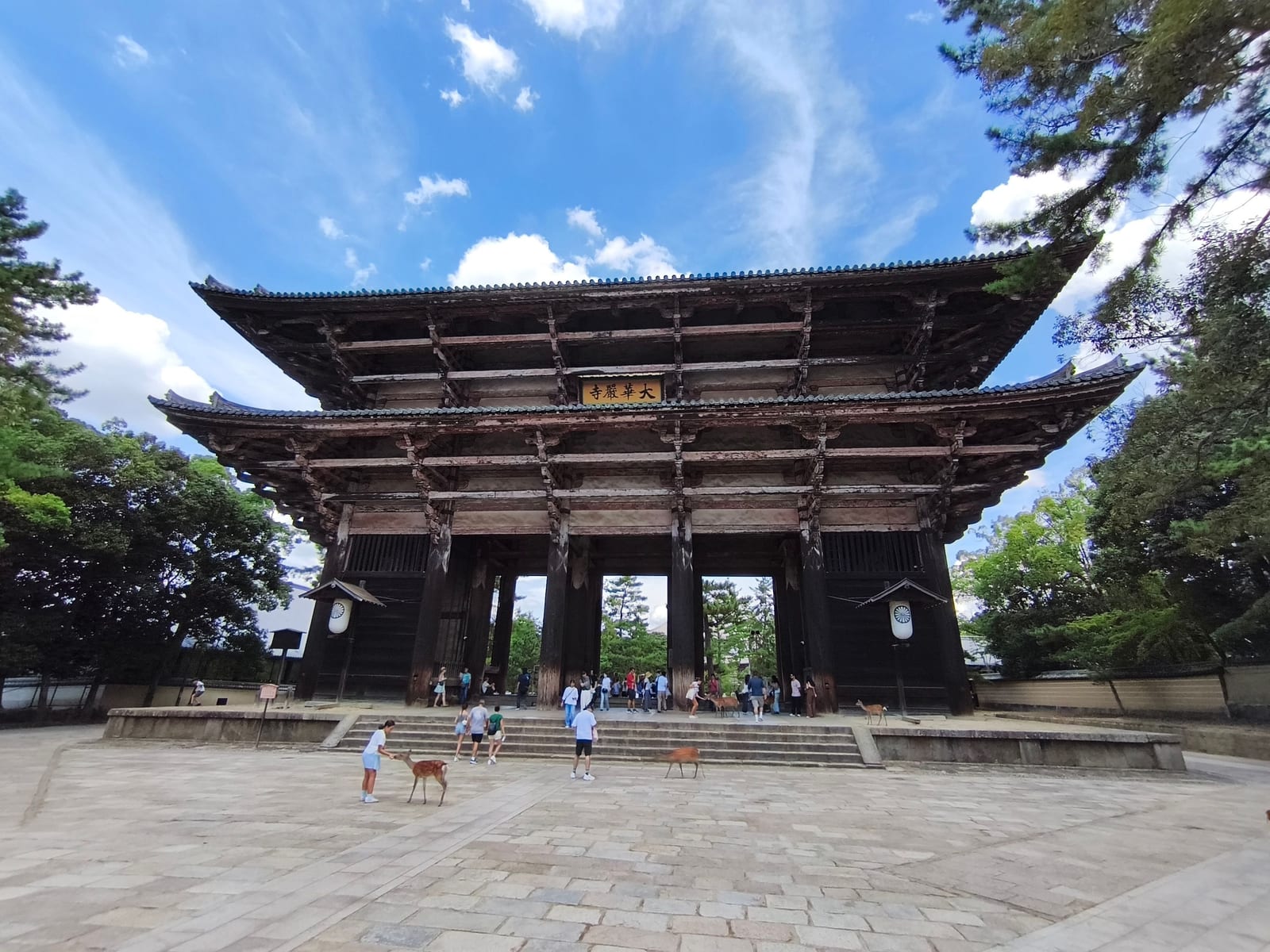
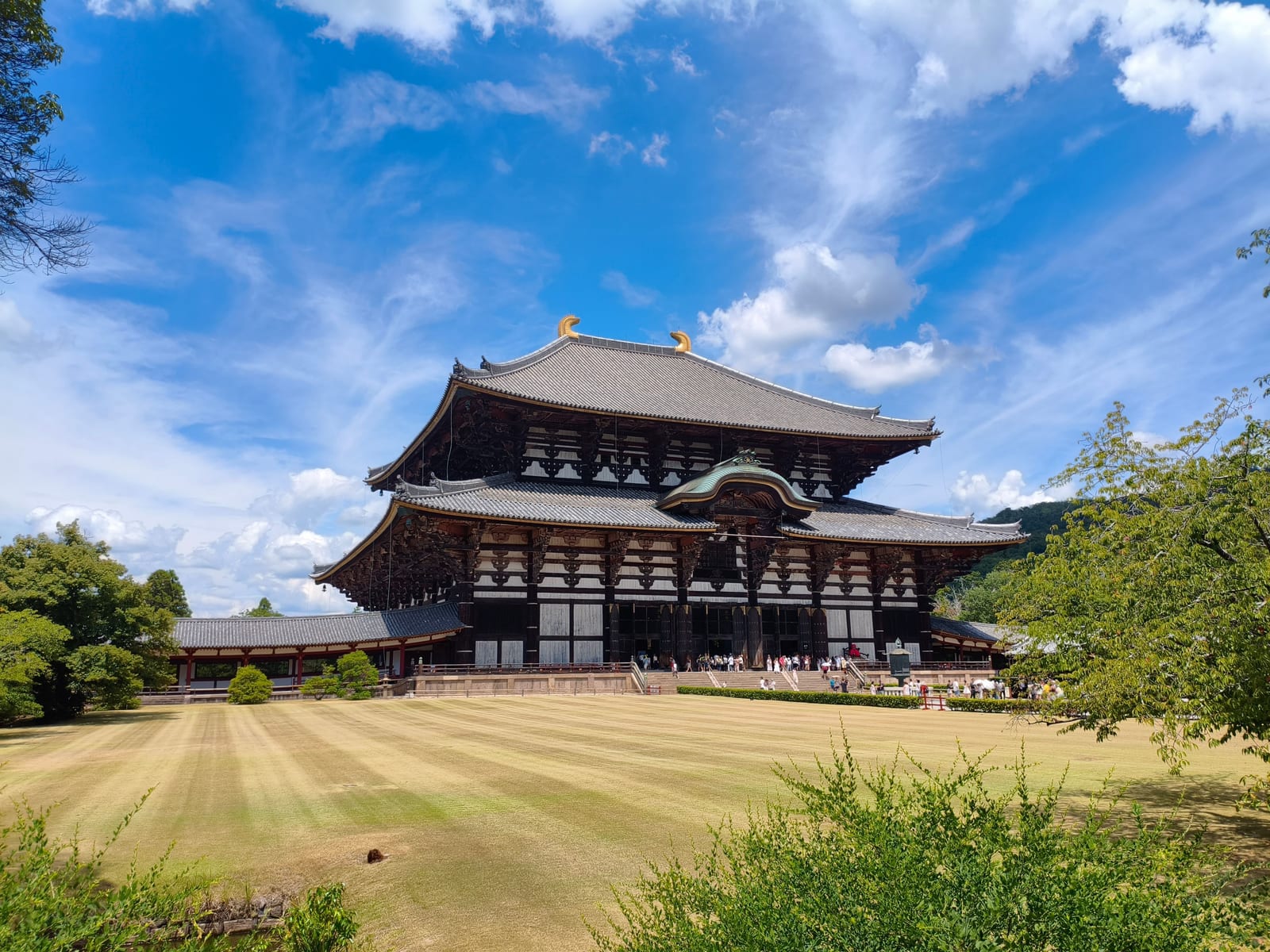
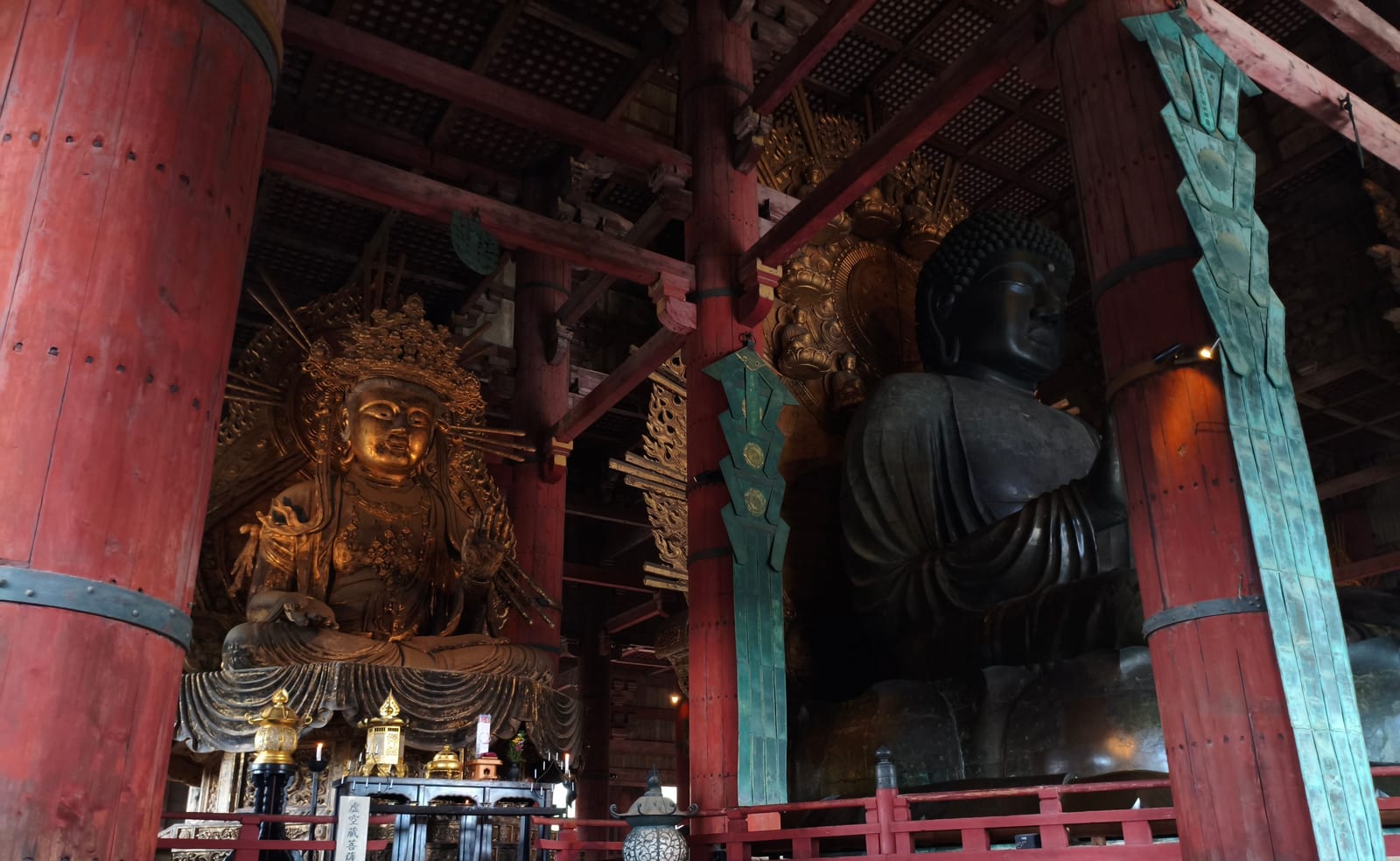
We started at Kofuku-ji, one of the oldest temples in Nara. From there we carried on up to the Nandaimon Gate, the huge wooden gate that forms the main entrance to Todai-ji and one of the largest temple gates in Japan. It is impressive up close. Keep walking straight and you reach Todai-ji itself, a Buddhist temple complex whose main hall holds one of the largest bronze Buddha statues in the world. The whole complex is worth the time, we also booked audioguides to enhance the experience. Some people say Nara is just a deer park, but the combination of the history and the setting makes it somewhere you would not find anywhere else.
From there you can keep going up to Kasuga Taisha, a Shinto shrine known for its architecture and its quiet. We did not make it that far, because we wanted to eat. There are places around the temples and in the park itself, but we had our eye on an unagi restaurant we had spotted earlier and wanted to try it. So we headed back into town, to the Naramachi district, the old merchant quarter, where the buildings date from the Edo period.
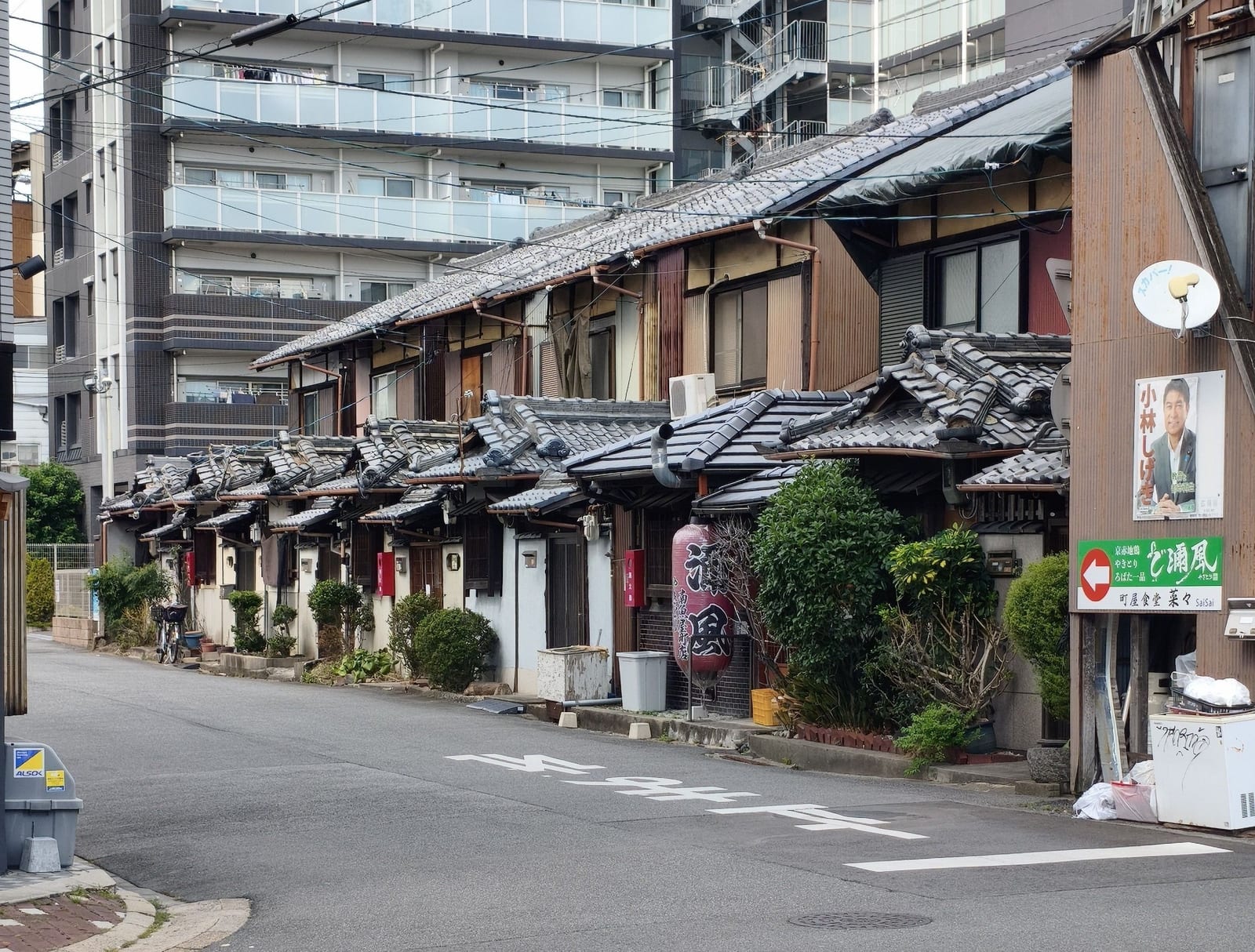
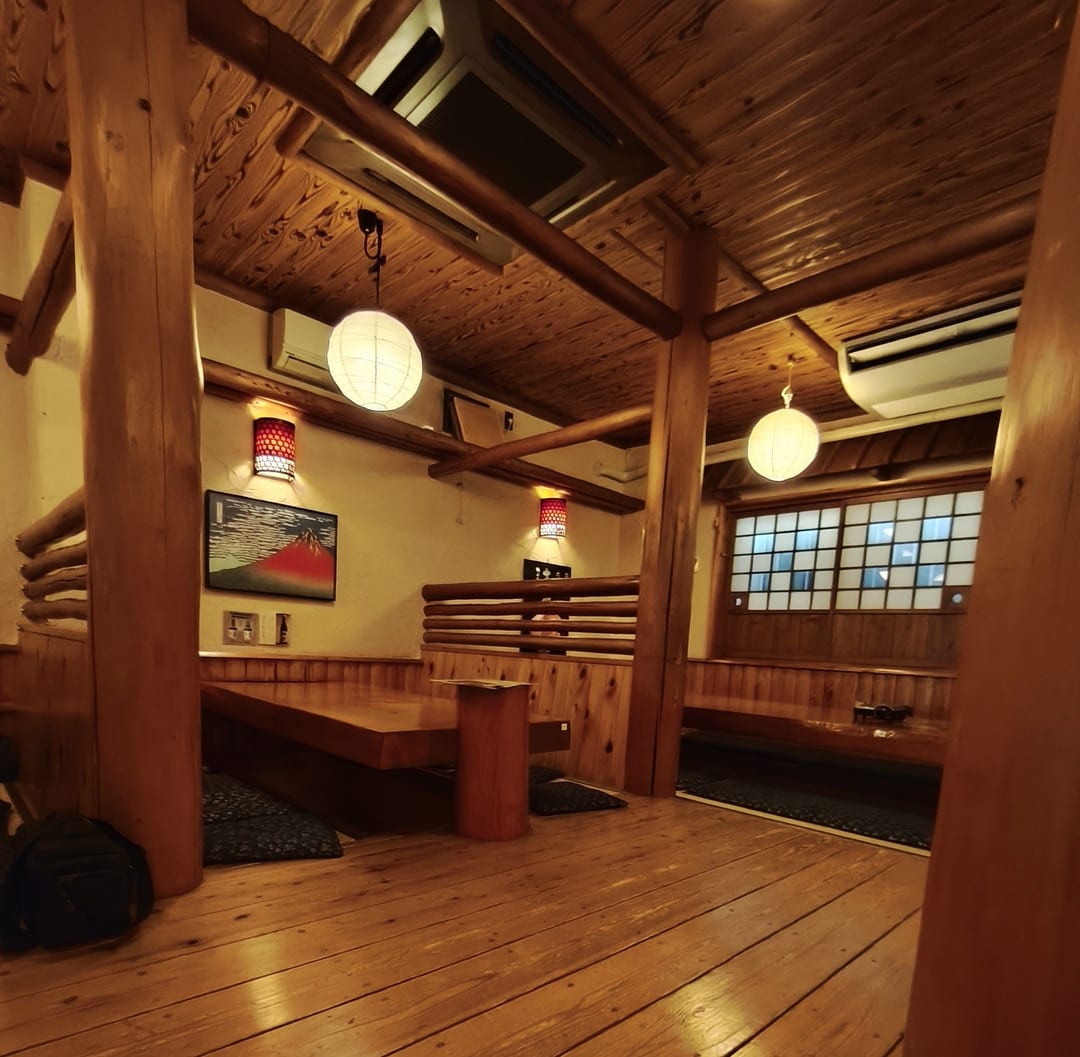
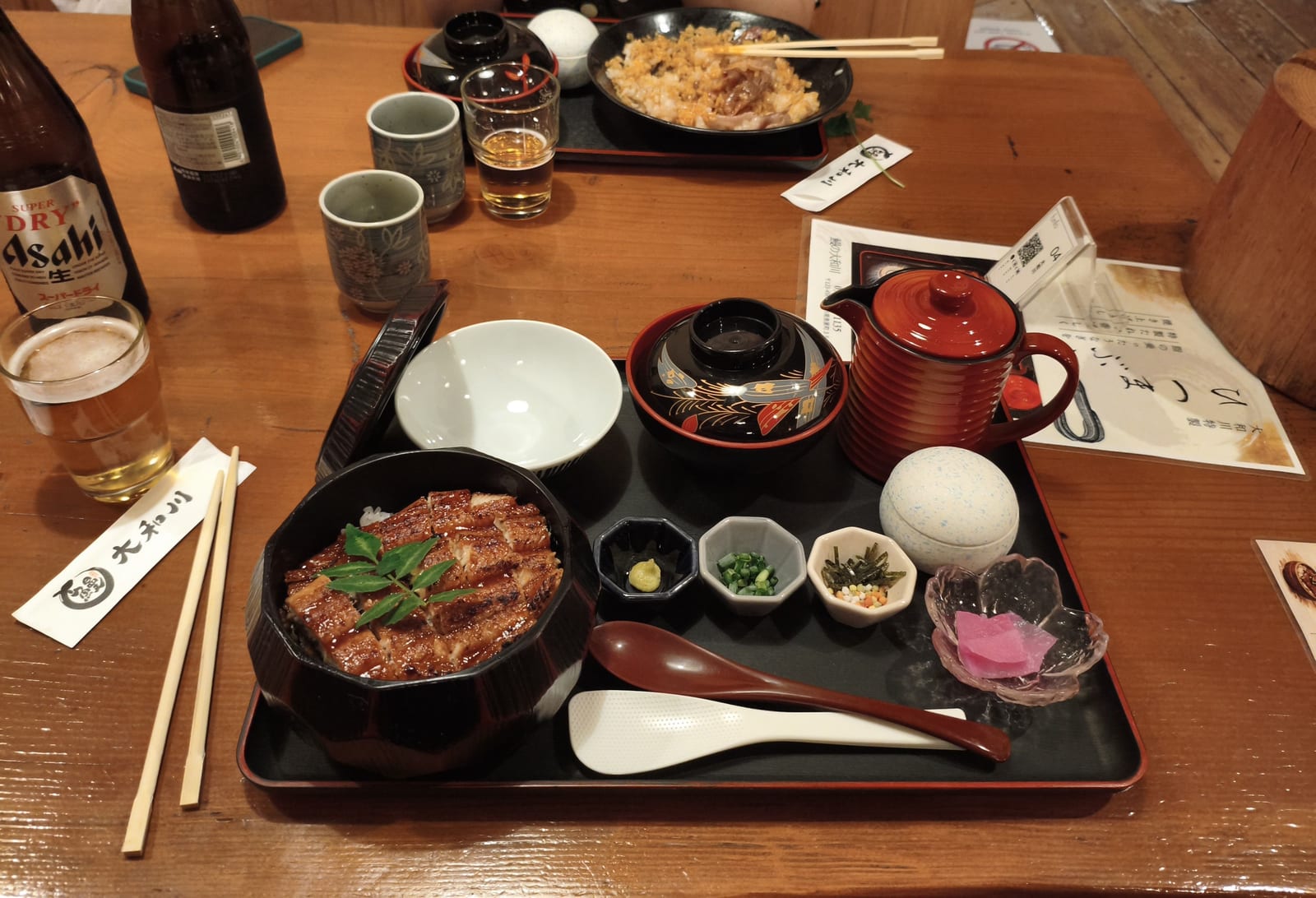
In Naramachi we ate at Unagi no Yamatogawa, which specialises in unagi, freshwater eel. It is a cosy place. To reach the main dining room you take your shoes off, and you sit at low wooden tables with a well cut into the floor underneath, so your legs hang down as they would at a normal table. It is a nice bit of traditional dining. We ordered the eel over rice and it was delicious. Highly recommended.
We spent the afternoon exploring the district, then headed back to the hotel to relax and have dinner.
Day 7: Osaka
Osaka was a day trip, and you might wonder why we did not stay the night there. The reason is that we wanted to get outside the usual Tokyo, Kyoto and Osaka route and visit Hiroshima and Miyajima as well as Kanazawa. So rather than spend nights in Osaka we went across from Kyoto for the day.
We took a direct train from Kyoto Station to Osaka Station which takes about 40-50 minutes, then the Osaka Loop Line to Osakajokoen Station. The entrance to the castle grounds is right outside. The gardens are huge, so it is about a 20-minute walk up to the castle itself. While we were at the entrance we noticed a road train that runs across the park, a kind of shuttle with a guide who talks you through what you are passing. We took that instead, and from where it drops you it is another 10 minutes on foot.
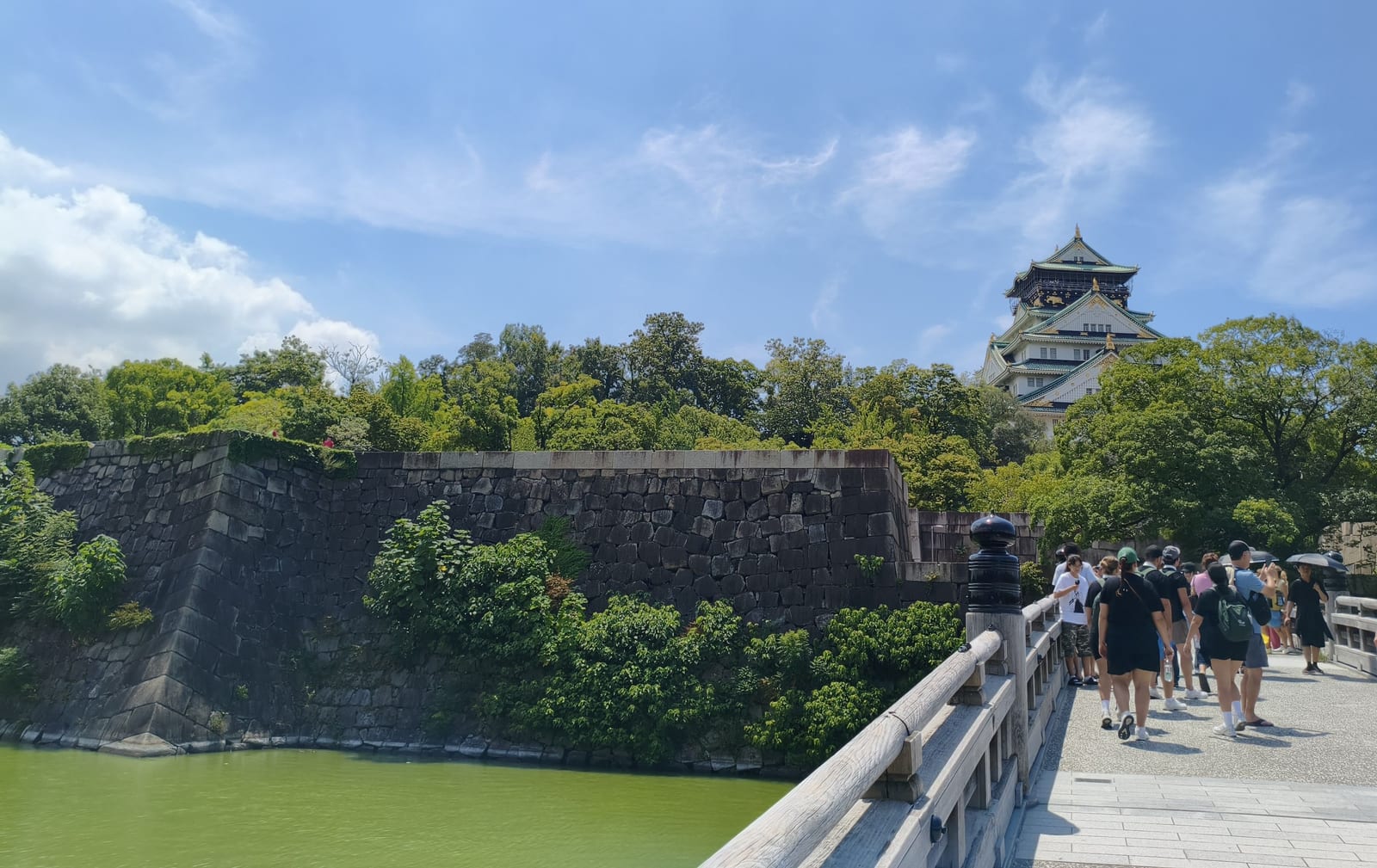
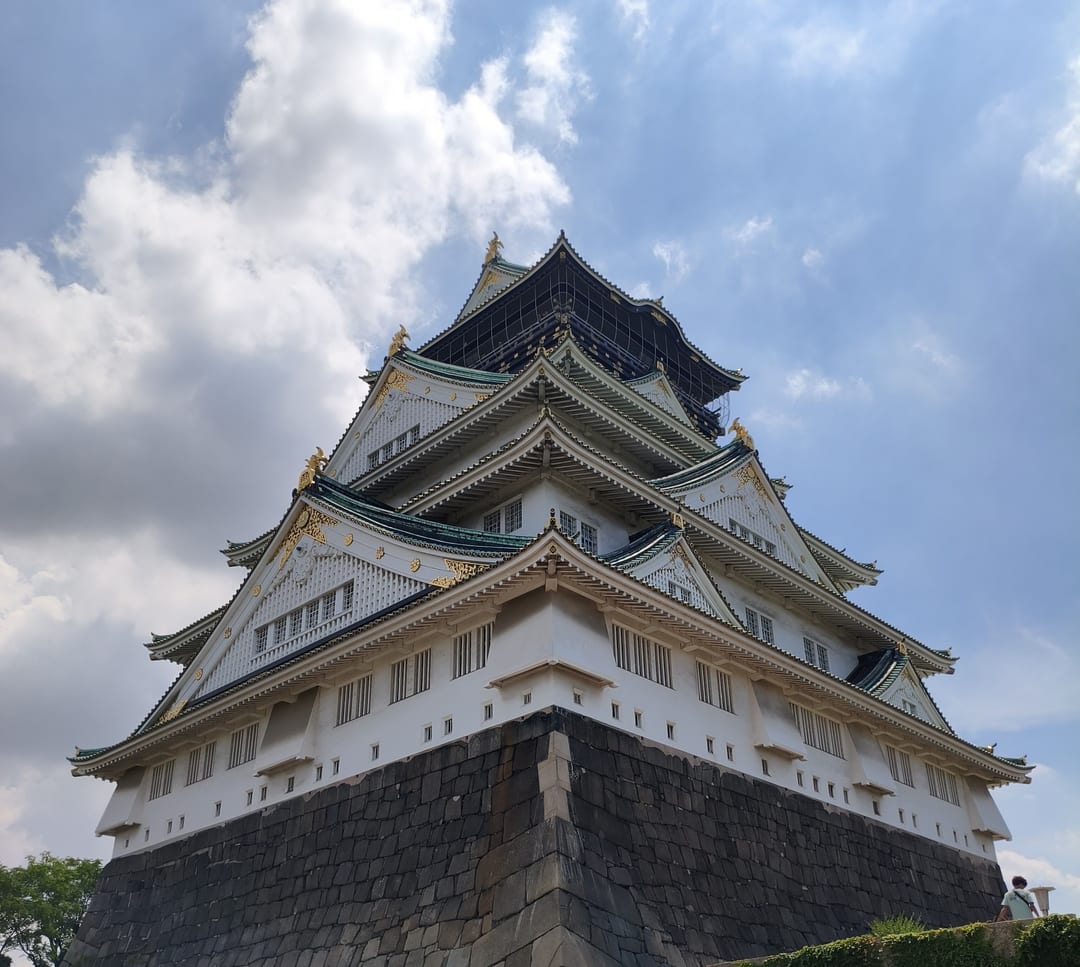
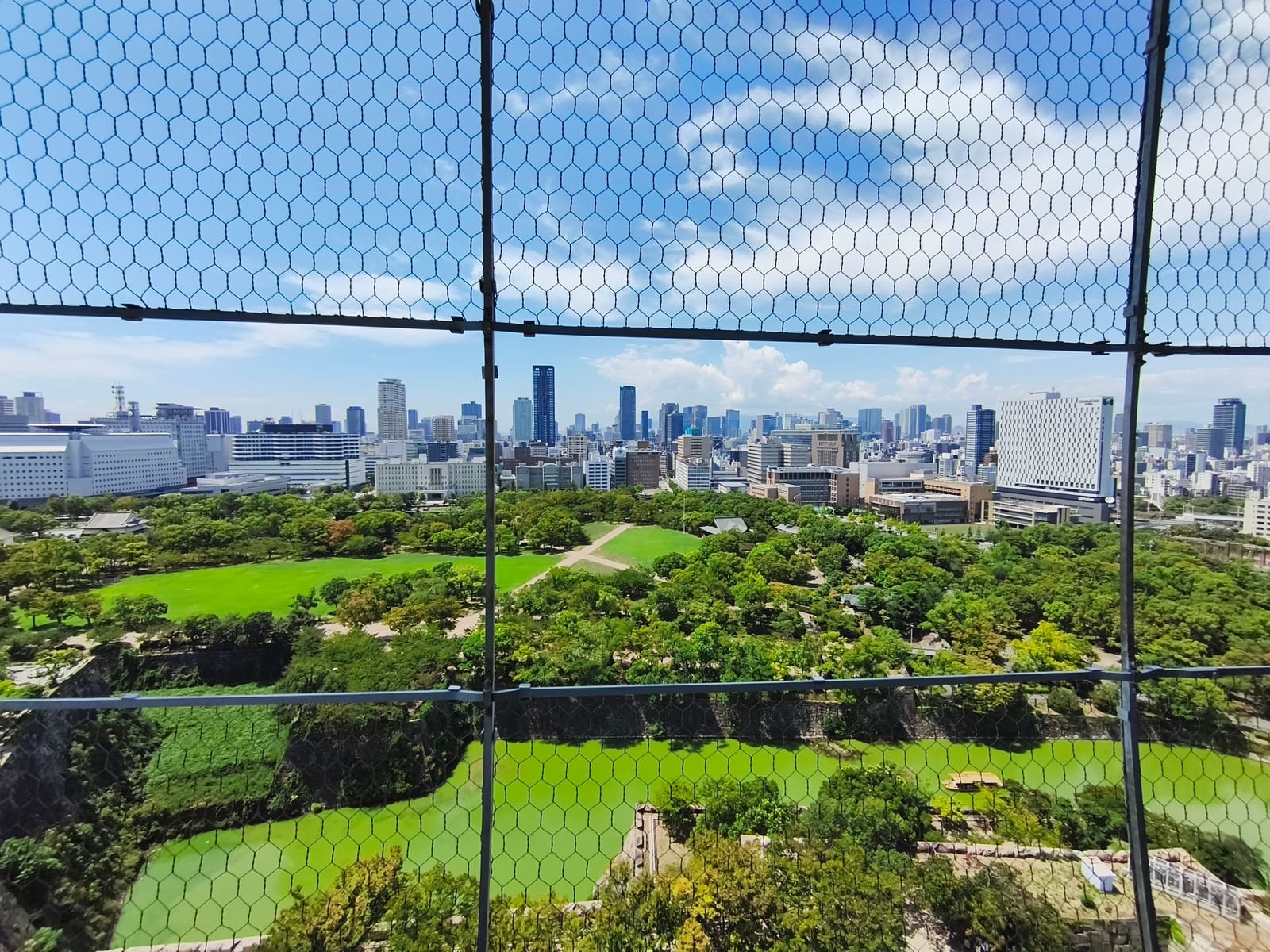
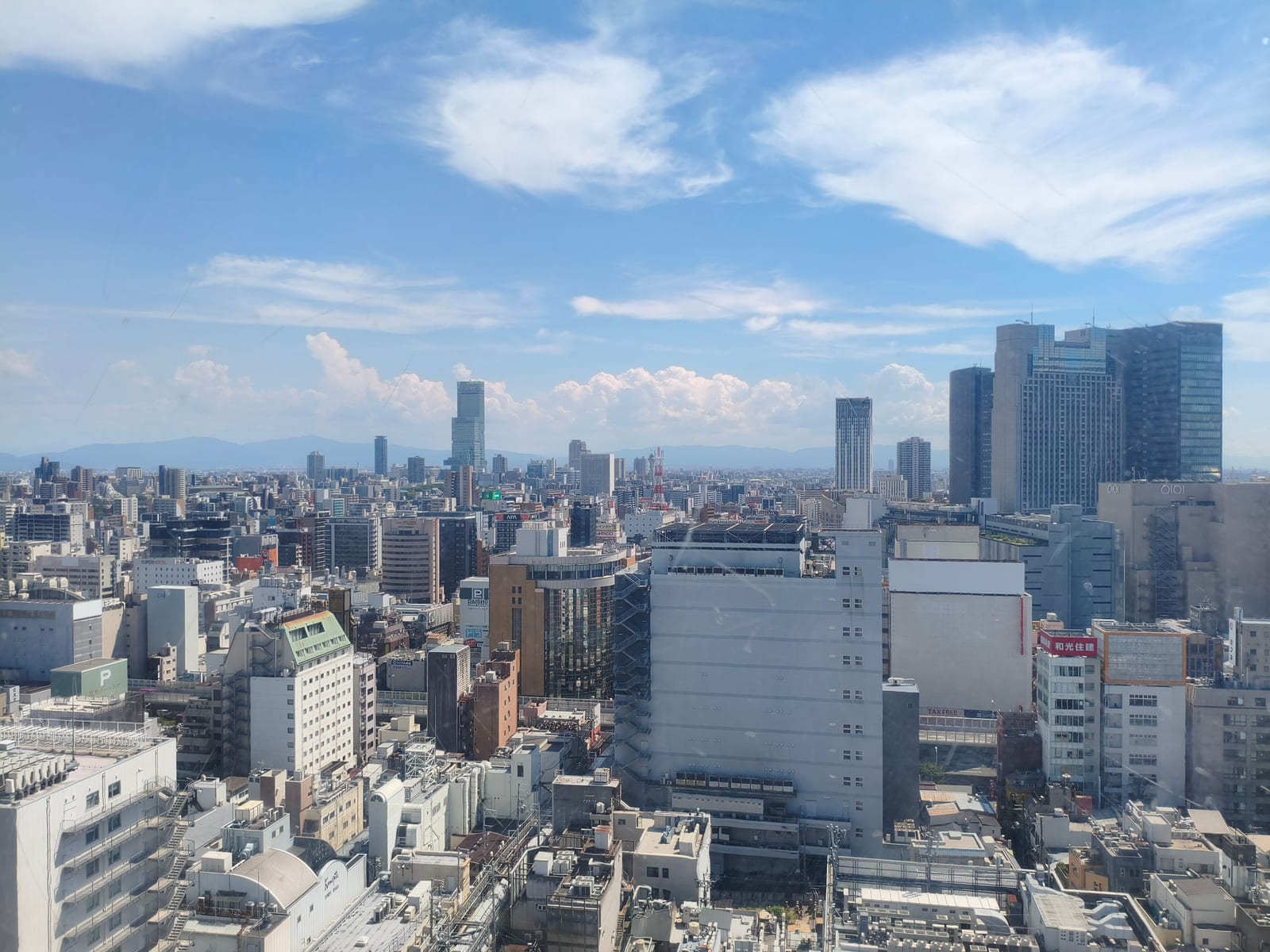
The castle is genuinely impressive, and much bigger than I expected. There is a small entrance fee. You can pay at the gate, but I would book online, because it saves you the queue. Inside it is a museum, with exhibits on Japanese history, samurai armour and weapons and a lot more. There are eight floors, and the top one is an observation deck with a great view over the city. There is a lift as well as stairs, and the queue for the lift is often long enough that the stairs end up quicker. Once we had finished with the castle we went into the Nishinomaru Garden, which is inside the castle grounds.
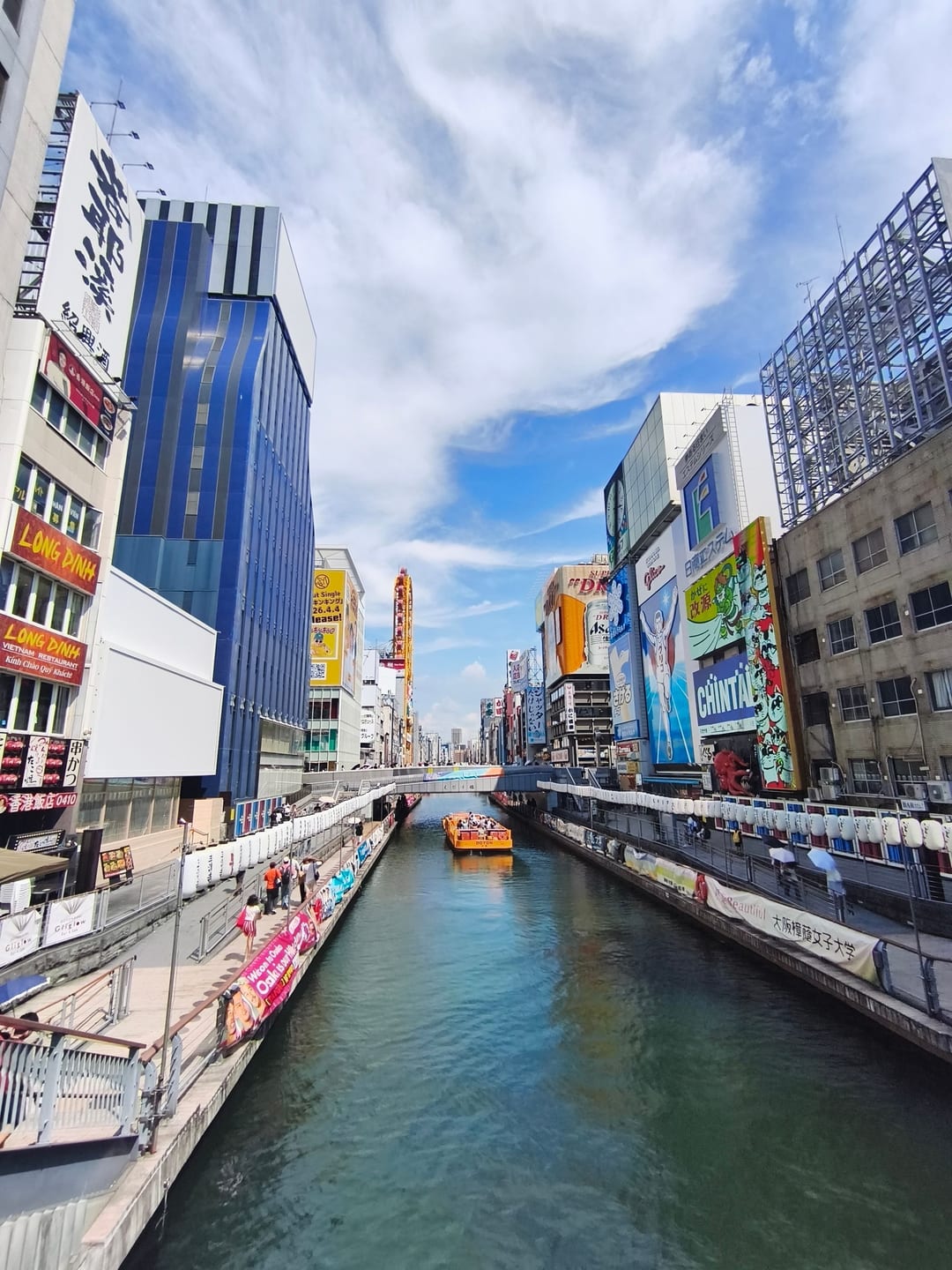
After the castle and the garden we headed to Dotonbori, the entertainment district, known for its neon signs, its street food and the noise of the place. A canal runs through the middle of it, which is part of the appeal. There are restaurants and shops all along the water, and street food stalls everywhere. There is also a ferris wheel there called the Ebisu Tower, built into the side of a Don Quijote, which is a Japanese discount chain selling more or less everything. We went up. It costs around 1,000 yen a head and the ride lasts 15 to 20 minutes. Good fun. Afterwards we went to find lunch.
We wanted to try fugu, which is pufferfish. It is a delicacy in Japan, but it has to be prepared by a licensed chef, because it is toxic if it is done wrong. We found a restaurant that serves it, Guenpin Houzenji Souhonten. They do several fugu set menus and we picked a six-course one. I enjoyed it, but I will say it is an unusual thing to eat. Parts of it are gelatinous, closer to cartilage than to fish. So I can understand why plenty of people who try it come away wondering what the fuss is about. After lunch we walked around the centre of Osaka for a while, then headed back to the hotel.
Where we stayed
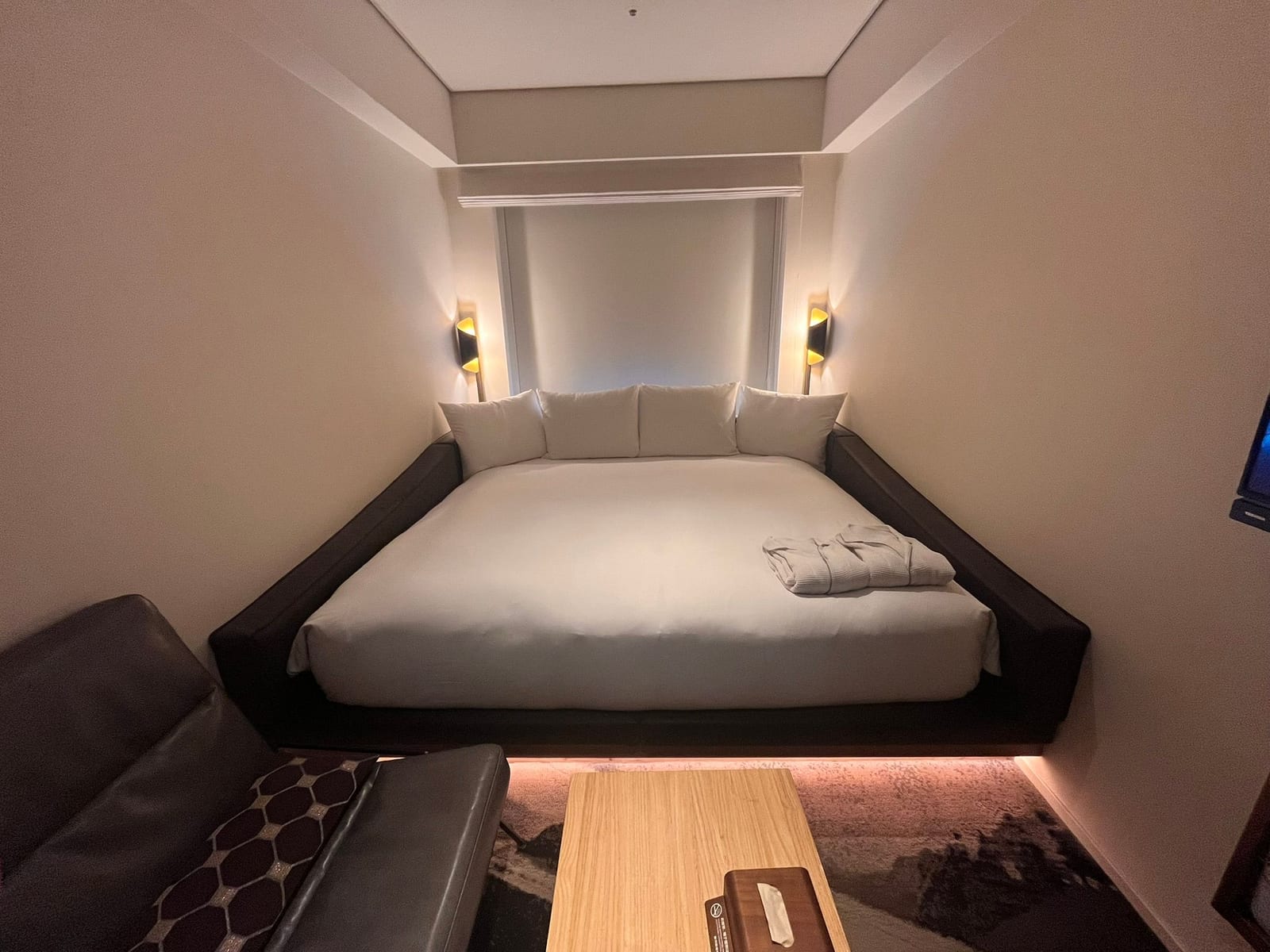
In Kyoto we stayed at the Granbell Hotel Kyoto, in the Gion district. The area is quiet at night and full of traditional restaurants and shops, which made it a great base for exploring the city.
The hotel is modern and well equipped. There is a small onsen, which is a good way to unwind after a day of sightseeing, and coin-operated washing machines and dryers, which are genuinely useful on a long trip. We stayed in a Superior King Room. It is a modern room and the bed is large and very comfortable. The room itself is not big, but that is normal in Japanese cities. We had a very pleasant stay. It cost around 22,750 yen a night, roughly €128 or US$148, with breakfast included. The breakfast was good, with plenty of choice and several traditional Japanese dishes alongside the Western options. They rotate the menu regularly.
Planning your own version? Browse the itinerary library, or build a day-by-day plan and change the stops.
← Back to the full Japan route