
Hiroshima 3-Day Itinerary
Hiroshima works well for a short city break because it pairs a compact, walkable center with one of Japan's most rewarding day trips just across the water. This route opens with the Peace Memorial Park and Atomic Bomb Dome, spends a full day on Miyajima Island for Itsukushima Shrine and Mount Misen, then closes with Hiroshima Castle and the Hondori arcade before departure. You can also combine it with the Kyoto 3-day itinerary or expand the trip with the Japan 10-day itinerary.
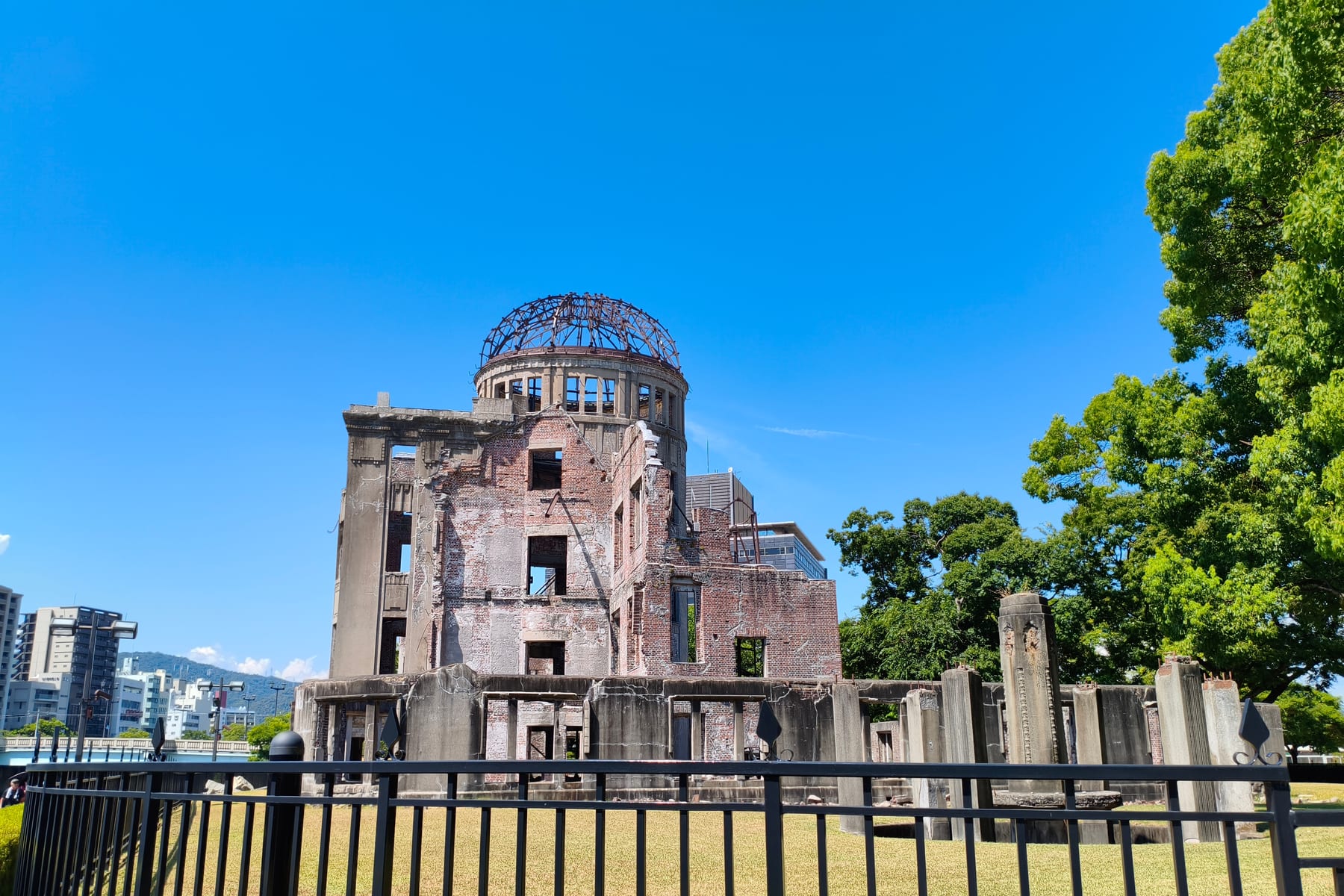
Route at a glance
The route stays based in central Hiroshima, so you get the Peace Park and Atomic Bomb Dome first, then a full day trip out to Miyajima Island, and finally the castle and shopping arcades before your departure transfer.
Select a day to explore its route
- Peace Memorial Park & Atomic Bomb DomeDay 1
- Miyajima Island & Itsukushima ShrineDay 2
- Hiroshima Castle & HondoriDay 3
Where this trip comes to life
A quick visual preview of the city base and the places you will actually visit.
Day-by-day plan
Click a day to view the details
Day 1: Hiroshima arrival, Peace Memorial Park, and Atomic Bomb Dome
Arrival in Hiroshima with a relaxed afternoon exploring the Peace Memorial Park and local cuisine in the city center.
Train arrival at Hiroshima Station, taxi to hotel, walking within central Hiroshima.
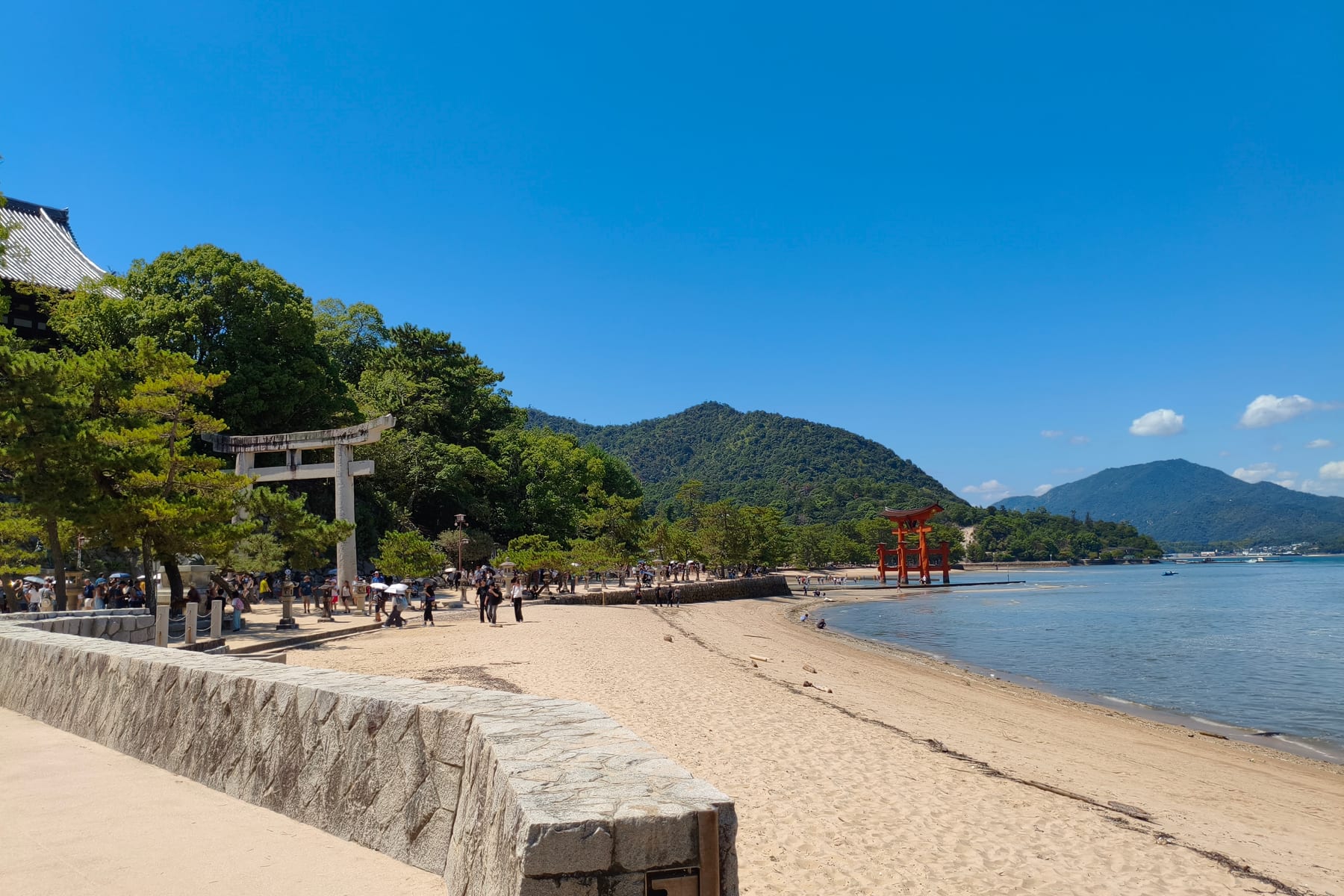
Day 2: Miyajima Island, Itsukushima Shrine, and Mount Misen
A full day exploring Miyajima Island's natural beauty and cultural sites with local dining experiences.
Local tram and ferry transfers to Miyajima Island, walking in Hiroshima city center.
Day 3: Hiroshima Castle, Tatemachi, and departure
Morning visit to Hiroshima Castle and local markets, followed by preparation and transfer to departure point.
Local tram and taxi transfers within Hiroshima city to station, no intercity travel.
Planning tips for this Hiroshima itinerary
Practical tips for Hiroshima
PASPY or ICOCA work on Hiroshima's trams, JR trains, and the ferries to Miyajima, making transfers easy.
Roaming is often slow or expensive—an eSIM gives you faster, more reliable data. Use Google Maps for quick navigation.
Japan uses the yen (JPY). Market stalls, small restaurants, and the Miyajima ferry kiosks may still require cash.
The floating torii gate looks different at high and low tide—check a tide chart the night before to plan your visit.
Popular okonomiyaki counters and the Miyajima oyster stalls can have lines—arriving slightly early helps avoid waiting.
Lockers at Hiroshima Station are useful on departure day if you want to explore before your onward transfer.
Where to stay for this itinerary
-
Hiroshima Station area Convenient base with easy tram and JR access, useful for the departure transfer.Best for transport
-
Hondori / Peace Park area Central base within walking distance of the Peace Memorial Park, Atomic Bomb Dome, and Hondori restaurants.Most practical
-
Miyajima An overnight option if you want to see the floating torii gate lit up after the day-trip crowds leave.For a slower pace
Staying in central Hiroshima works best for this route—Miyajima is an easy day trip and there's no need to switch hotels.
Best time to visit Hiroshima
A quick seasonal view to help you choose the best months for this route.
Spring and autumn are usually the easiest seasons for this Hiroshima and Miyajima route, especially for the outdoor walking around the Peace Park, castle grounds, and the Mount Misen ropeway. Autumn also brings some of Japan's best koyo (fall foliage) around Miyajima's Momijidani Park. Summer can still work, but July and August are hot and humid, so slower pacing and indoor breaks help. Winter is colder but manageable for museums, shopping, and quieter shrine visits.
Details
Hiroshima 3-day itinerary overview
This itinerary is designed as a strong first-time introduction to Hiroshima over a short city break. It opens with an arrival afternoon dedicated to the Peace Memorial Park, Peace Memorial Museum, and the Atomic Bomb Dome, then uses a full second day for a Miyajima Island trip covering Itsukushima Shrine, Mount Misen, and Daisho-in Temple. The final day focuses on Hiroshima Castle, the Tatemachi and Hondori shopping arcades, and a practical transfer back to Hiroshima Station.
Route at a glance
- Hiroshima base near the station or Peace Park area for the full trip
- Arrival afternoon around Peace Memorial Park, the museum, Atomic Bomb Dome, and Shukkeien Garden
- Full-day trip to Miyajima Island for Itsukushima Shrine, Mount Misen, and Daisho-in Temple
- Hiroshima Castle, Tatemachi Shopping Arcade, Hondori Market, and station transfer before departure
Day-by-day highlights
- Day 1 (Hiroshima arrival & Peace Park): Check-in near Hiroshima Station, Okonomimura lunch, Peace Memorial Park, Peace Memorial Museum, Atomic Bomb Dome, Shukkeien Garden, and dinner at Hassho
- Day 2 (Miyajima day trip): Ferry to Miyajima Island, Itsukushima Shrine, Daisho-in Temple, Mount Misen, Yakigaki-no-Hayashi oyster lunch, return ferry, and an evening walk on Hondori
- Day 3 (Castle, markets, and departure): Hiroshima Castle, Tatemachi Shopping Arcade, Hondori Market, lunch, luggage pickup, and transfer to Hiroshima Station
Customize this itinerary in minutes
Adjust pace, preferences, and route to fit your travel style — for free and within minutes.
FAQ
Is 3 days enough for Hiroshima?
Yes—3 days is enough for a strong first introduction to Hiroshima. It gives you time for the Peace Memorial Park and Atomic Bomb Dome, a full day trip to Miyajima Island and Itsukushima Shrine, and Hiroshima Castle, without needing to change hotels.
What is the best 3-day itinerary for Hiroshima?
A practical 3-day Hiroshima itinerary usually opens with the Peace Memorial Park and Atomic Bomb Dome, dedicates the second day to a Miyajima Island day trip to Itsukushima Shrine and Mount Misen, then finishes with Hiroshima Castle and the Hondori shopping arcade before departure.
Where should I stay for 3 days in Hiroshima?
Central Hiroshima near Hiroshima Station or the Hondori and Peace Park area is one of the easiest bases for a short trip, keeping you close to trams, restaurants, and the ferry connections to Miyajima.
How difficult is the hike up Mount Misen?
Moderate. The three trails (Momijidani, Daisho-in, and Omoto) take about 1.5–2 hours one-way, with steady climbing and some steep, uneven stone steps, so reasonable fitness and good shoes help. Most visitors skip the full hike and take the Miyajima Ropeway instead, though even then there's still a roughly 30-minute walk from the top ropeway station to the summit. A popular middle-ground option is hiking up one way and taking the ropeway down.